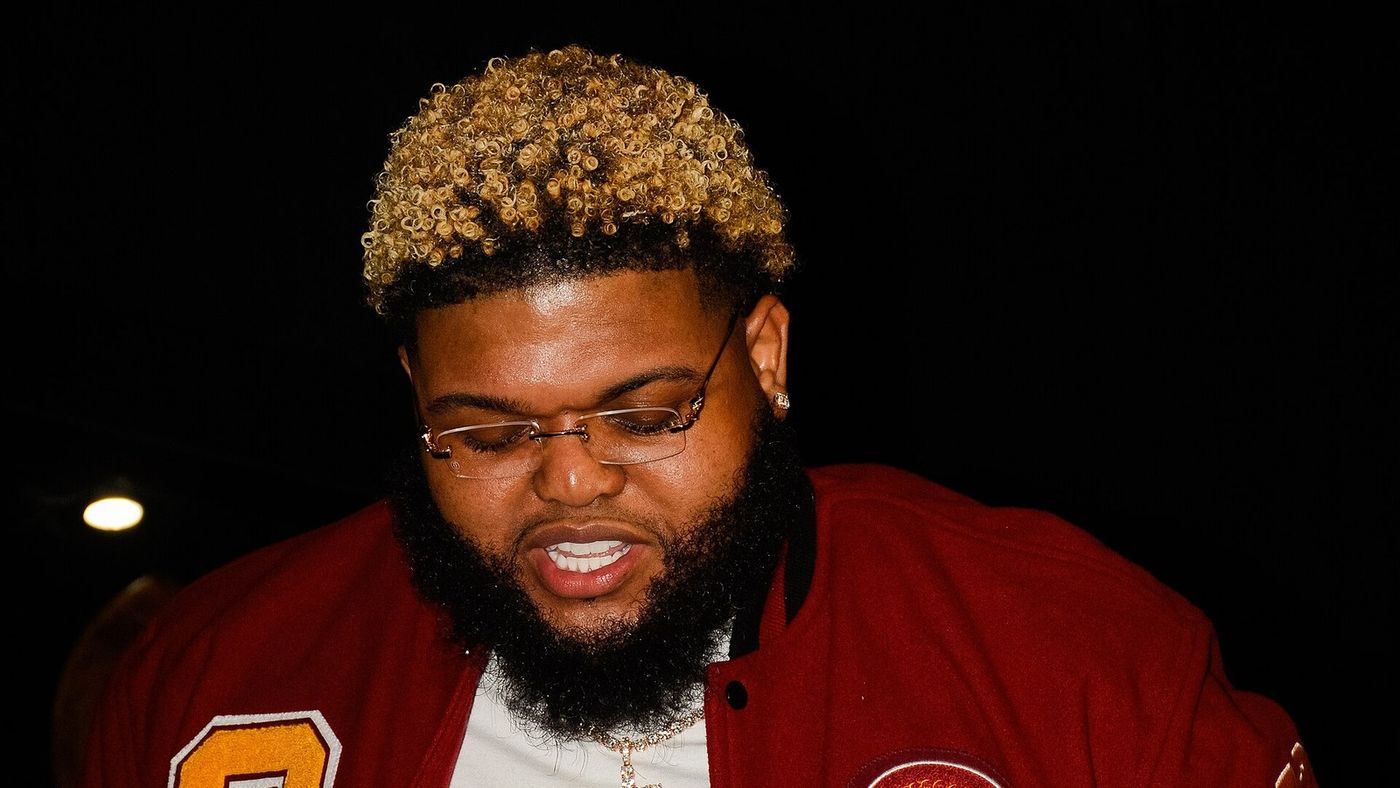
The Druski Netflix deal announced on Monday is not another library license. Netflix said on November 2 that the comedian, born Drew Desbordes, and his company 4LIFERS Entertainment will make original content exclusively for the streamer, starting with the semi-scripted comedy Collect & Praise on December 1.
That detail matters more than the headline. For more than a year, Netflix’s creator push has mostly worked the other way: it pays YouTube stars for the right to carry videos that stay on YouTube. Druski’s agreement looks closer to a Hollywood production pact. It also comes with a twist, because Netflix bought a show that Druski had already paid to make.
He paid for the pilot, then Netflix bought it
According to Deadline, Collect & Praise was self-funded before Netflix acquired it. The series grew out of a viral sketch, “Mega Church Pastors Love Money,” and Druski reprised the money-hungry pastor while hosting the BET Awards this year. Mike Epps plays his deacon.
Druski has been open about the rejections that came first. On The Diary of a CEO podcast, he said Netflix turned down “multiple different projects” of his over the years. “Now they want to purchase these shows that we’ve made and do more in the future. Now, it’s a bidding war,” he said, as quoted by Deadline.
Deadline also reports that the agreement covers a set number of projects, rather than a traditional overall or first-look deal. In other words, Netflix is not paying Druski simply to be available. Instead, it is buying specific shows, and the first one arrived finished.
Five ways Netflix has signed YouTube creators
Netflix’s creator deals are often described as one trend. In practice, they fall into at least five different structures, and the Druski Netflix deal mixes two of them. Each one gives Netflix something different, and each one leaves the creator with a different amount of YouTube freedom.
| Deal type | Example | What Netflix gets | What stays on YouTube |
|---|---|---|---|
| Repackaged episodes | Ms. Rachel (early 2025), Mark Rober’s CrunchLabs (announced August 2025), Salish & Jordan Matter | Existing videos packaged as seasons | The channel and new uploads |
| Archive license | Stokes Twins (from July 18, 2026) | The creators’ most-watched videos | Everything |
| Same-day release | Mythical: Good Mythical Morning, Mythical Kitchen, Last Meals (from September 7, 2026) | New episodes on the day they upload | Everything, at the same time |
| Netflix-only version | Hot Ones | An exclusive edition of a YouTube format | The regular show |
| Commissioned originals | Mark Rober’s SCHOOLED!, a Stokes Twins series planned for 2027, Druski | New shows made for Netflix | Depends on the contract |
The Hollywood Reporter drew the same line when Mythical signed in July. It noted that Ms. Rachel, the Matters and Mark Rober “repurposed content they already produced” for Netflix, while the Stokes Twins brought their archive and Mythical chose a day-and-date release on both platforms. Meanwhile, Netflix’s own Stokes Twins announcement paired an archive with a new long-form series. That hybrid is now the template Druski is following.
Where the Druski Netflix deal fits on that map
Druski lands in two rows at once. First, Netflix says he will deliver original content exclusively for the service. Second, it will license part of his existing catalog, including Coulda Been Love, Coulda Been Daddy, Coulda Been Records Auditions and his comedy skits, according to the Netflix Tudum announcement. Variety reports that those series have more than 1 billion views combined.
Several key terms are still unknown. Netflix has not said how much it is paying or how many projects the contract includes. It also has not said whether the licensed catalog stays free on YouTube. Most earlier catalog deals were non-exclusive, so it would be unusual if Druski’s videos vanished. Still, nothing published so far confirms either way.
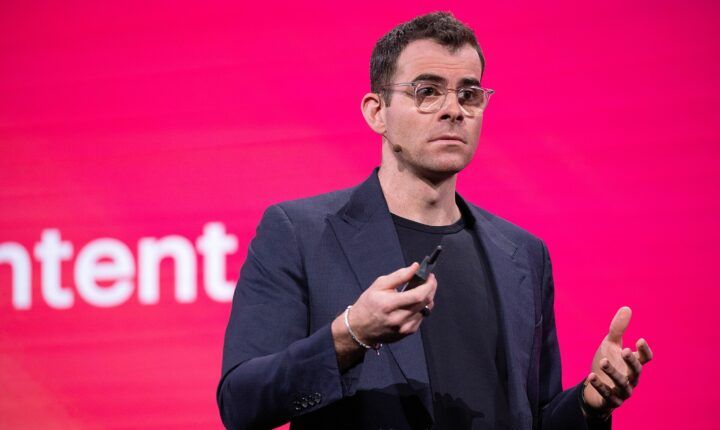
One small detail links this deal to Netflix’s earlier creator bets. The executive quoted on Druski, John Derderian, is the same Netflix vice president who welcomed Mark Rober in August 2025, when his title covered series, animation, and kids and family. Today, Netflix says he oversees “Next Gen Content.” That title change suggests creator programming now has its own lane inside the company, rather than sitting under kids’ TV. We tracked the Rober side of that story in our report on Mark Rober’s SCHOOLED! competition show.
Why exclusive originals are harder for YouTube to block
YouTube has already started fighting back. In August, Bloomberg reported that YouTube was offering some top channels “millions of dollars” to keep videos off Netflix, as The Verge summarized. The reported offers included show financing, a share of YouTube’s brand deals and upfront cash in exchange for exclusive windows. Creators who cross-posted could reportedly lose marketing support. No deals had been signed at the time, and neither company confirmed the terms.
Those reported offers mostly target the simulcast model, where the same episode appears on both services. By contrast, Druski’s new Netflix shows are made for Netflix. If he keeps posting sketches on YouTube, as the announcement does not rule out, there is no shared episode for YouTube to object to. That is our reading, not a confirmed term. However, it explains why the Druski Netflix deal may age better than day-and-date deals if YouTube’s counteroffers become real contracts.
Money explains the rest. TheWrap reported that Netflix pays several million dollars a year for co-exclusive rights to some creator libraries. That is cheap next to a scripted drama. A self-funded comedy that arrives with a proven character is cheap in a similar way, yet Netflix gets to call it an original.
Lessons from the Druski Netflix deal for other creators
Most creators will never get a Netflix call. Even so, the structure of the Druski Netflix deal offers a few practical lessons for anyone pitching a platform or a brand.
- Characters travel better than channels. Netflix did not buy “Druski content.” It bought one recurring persona with years of audience proof, from a sketch to an awards-show bit.
- Finished work changes the conversation. Druski pitched for years without success. A completed, self-funded season turned the pitch into a purchase.
- Read the exclusivity clause closely. “Exclusive originals” and “exclusive catalog” are very different promises. The first covers new work, while the second can pull your back catalog off the platform that built it.
- Count the projects. A deal for a set number of shows is easier to measure than an overall deal. However, it also means each show must justify the next one.
Other platforms are now bidding for the same talent. For example, Meta is reportedly paying creators to post long videos on Instagram, a trend we covered in our look at how Instagram Features deals pay YouTubers. Similarly, the Sidemen took their brand to Netflix with the eight-episode series Outside, as detailed in our guide to the Sidemen’s Netflix show Outside.
A crowded month for Druski
The Druski Netflix deal lands in a busy month. On November 7, Druski is set to host Saturday Night Live, which The Hollywood Reporter says will make him the first online creator to host the show. Then Collect & Praise premieres on Netflix on December 1. After that, Deadline lists The Catch, a baseball romantic comedy starring Emma Stone and Chris Pine, as his next film role.
Netflix, meanwhile, needs the wins. The Verge notes that the deal follows an earnings report in which Netflix told investors not to worry about users watching less. It also follows roughly 1,000 layoffs and the departures of content chief Bela Bajaria and film head Dan Lin. Against that backdrop, the Druski Netflix deal is a bet that creator-built characters can fill a schedule faster, and more cheaply, than traditional development.
The December 1 premiere will be the first real test. If Collect & Praise lands in Netflix’s Top 10, expect more creators to try the same route: build the character online, fund the first season yourself, and sell it finished.