YouTube ad revenue reached $11.21 billion in the July-to-September quarter, Alphabet reported on Wednesday. That is a record for a third quarter, yet the 9.2% rise was the slowest growth rate the video platform has posted so far in 2026.
The figure comes from Alphabet’s third-quarter earnings release, filed with the US Securities and Exchange Commission. Meanwhile, the rest of the report pointed somewhere else entirely. Google Cloud revenue doubled, subscriptions kept climbing, and the ad business that pays YouTube creators grew at its gentlest pace of the year.

Three quarters of YouTube ad revenue, side by side
Alphabet publishes YouTube’s advertising sales as a separate line every quarter. Laid out together, the 2026 numbers show a business that is still growing but has lost some speed since the spring.
| Quarter | YouTube ads (2026) | Same quarter of 2025 | Growth |
|---|---|---|---|
| January–March | $9.88 billion | $8.93 billion | about 11% |
| April–June | $11.06 billion | $9.80 billion | about 13% |
| July–September | $11.21 billion | $10.26 billion | about 9% |
Across the first nine months of the year, YouTube ad revenue totaled roughly $32.1 billion. That compares with about $29.0 billion a year earlier, so growth for the year to date is close to 11%.
Still, the third quarter stands out for a different reason. According to Variety, the result came in below analyst projections, and the same quarter in 2025 had grown 15%.
The World Cup made the spring hard to follow
The obvious explanation for the slowdown is the calendar. In July, Alphabet told investors it saw strong advertising growth tied to the FIFA World Cup, “particularly in YouTube Ads.” The company also said more than 1.7 billion unique viewers watched World Cup-related videos on the platform.
Without a tournament of that size, the third quarter only edged past the second. YouTube ad revenue rose by about $152 million from April–June, a sequential gain of roughly 1.4%. Alphabet did not put a dollar value on the World Cup lift, so the exact size of that effect is unknown. However, the timing lines up neatly with the dip in growth.
Living rooms now carry a third of the business
The quarter’s main bright spot was the television screen. On the earnings call, Alphabet said brand advertising made the largest contribution to growth, with “notable strength in living room.” Executives added that living-room viewing accounted for more than one-third of total YouTube ads revenue in the quarter, which implies more than $3.7 billion from TV screens alone.
Sundar Pichai pushed the same theme. In his prepared remarks, he said YouTube “continues to lead in the living room as the number-one streaming platform in the U.S. in terms of watch time.” That shift has been building for a while; earlier this month, a survey found YouTube had even overtaken traditional TV as Americans’ top political news source.
For creators, TV viewing matters because brand budgets tend to follow it. As a result, long-form shows, podcasts and series that people watch from the couch are where advertisers are spending more.
Subscriptions are outgrowing YouTube ad revenue
The other big story sits in a separate line of the report. Google’s subscriptions, platforms and devices revenue rose 11% to $14.29 billion. Alphabet credited strong growth in YouTube subscriptions, especially YouTube Music and Premium, along with demand for AI plans in Google One.
Pichai also said YouTube Music and Premium have passed 150 million subscribers worldwide, including trials. For comparison, YouTube announced 125 million in March 2025. Furthermore, Google’s chief business officer, Philipp Schindler, told analysts that subscription revenue is now growing faster than the ad side, Variety reported.
That trend changes the mix of money flowing to channels. Premium revenue is shared with creators based on what members watch. In other words, a Premium viewer can still pay a creator even when no ad runs.
What a 9% quarter means for creator paychecks
Slower growth does not mean smaller payouts across the board. YouTube’s partner earnings rules pay creators 55% of net revenue from ads on their long-form watch pages and 45% of their allocated share of the Shorts creator pool. Because those percentages are fixed, higher YouTube ad revenue still means more money to share overall.
Individual results will vary more than the headline suggests, though. Brand-heavy, TV-friendly channels are best placed to benefit from the trend Alphabet described. By contrast, creators who rely on Shorts may care more about programs such as the invite-only Shorts bonus, which sits outside standard ad sharing.
Brand deals are another channel worth watching. Alphabet said its YouTube Creator Partnerships program now connects brands with more than 3 million creators, and over 1.3 million channels are enrolled in YouTube Shopping. Amazon is also joining YouTube Shopping, so US creators can tag Amazon products in videos, Shorts and livestreams. Brands already use YouTube’s channel search and creator analytics to pick partners, so sponsorship money may keep growing even when ad growth cools.
Where YouTube ad revenue sits inside a cloud-heavy Alphabet
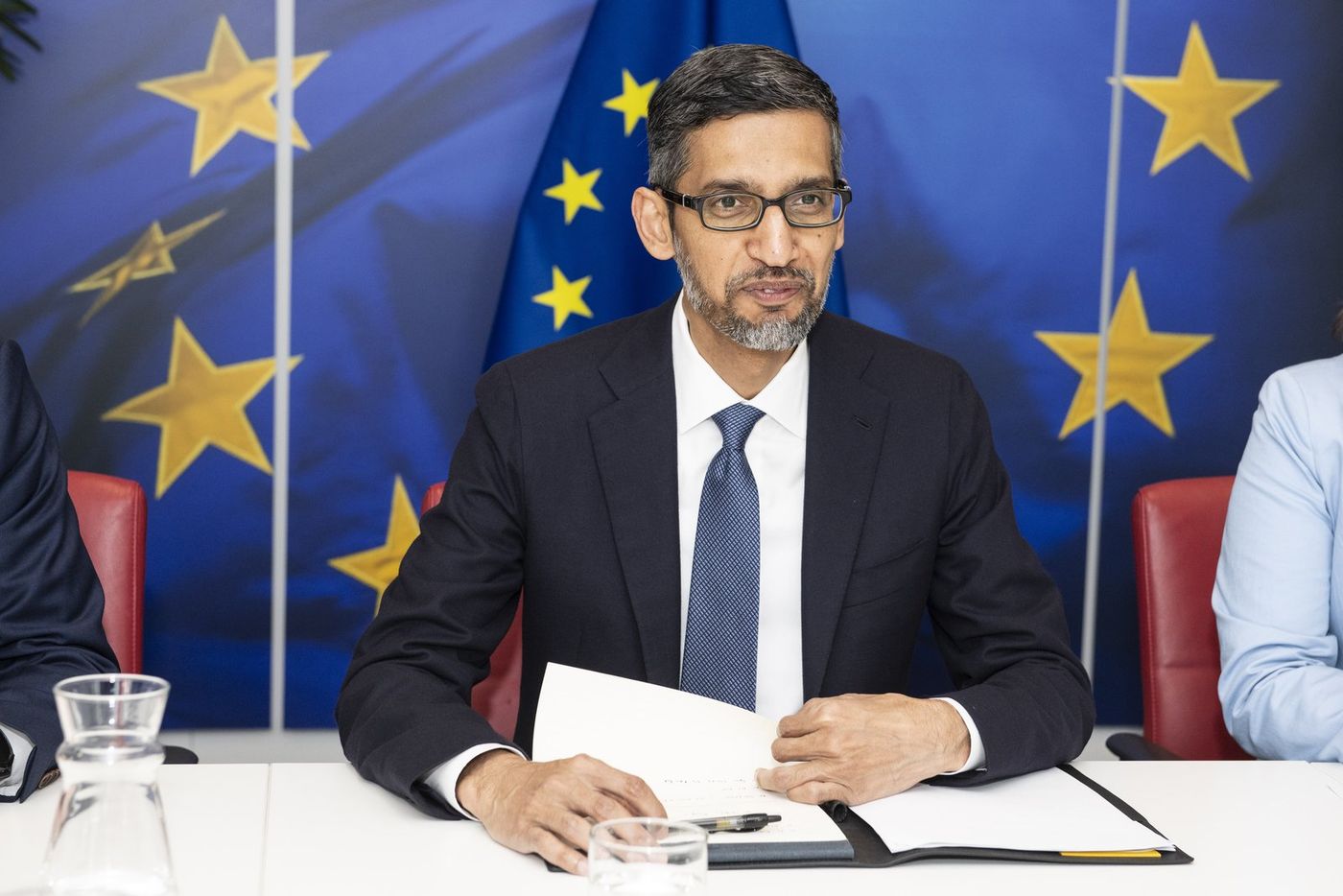
Overall, Alphabet’s revenue rose 25% to $127.6 billion. “We had a strong quarter and are now on a half-trillion dollar revenue run rate,” Pichai said in the release. Google Cloud did most of the heavy lifting, with sales up 103% to $30.7 billion.
Search grew faster than YouTube as well, rising 12% to $63.35 billion. As a result, YouTube’s share of Google’s $82.0 billion advertising total slipped slightly, to about 13.7% from 13.8% a year earlier.
Profits told a messier story. Net income available to shareholders fell to $26.2 billion, or $2.12 a share, from $35.0 billion a year earlier. The release said an $8.7 billion loss on equity securities cut earnings per share by $0.55. Meanwhile, capital spending reached about $51.4 billion in the quarter, mostly for AI infrastructure, and free cash flow was negative for a second straight quarter.
Signals to watch before the holiday-quarter report
The October–December quarter is usually YouTube’s strongest for advertising, because retailers spend heavily ahead of the holidays. That makes the next report a cleaner test of whether 9% growth in YouTube ad revenue was a World Cup hangover or a new, slower normal.
In the meantime, three numbers are worth tracking. First, whether living-room viewing keeps growing past one-third of ad sales. Second, whether subscriptions keep outpacing advertising. Third, how quickly Amazon tagging shows up in YouTube Shopping, which could give creators a source of income that does not depend on ad rates at all.