Instagram is not asking YouTubers to leave YouTube. It is paying them to show up in two places at once. The Instagram Features deals reported by Business Insider this week range from about $50,000 to $500,000, and the main condition is simple: post your long videos to Instagram on the same day they go up on YouTube. That makes the deals less a talent raid than a fee for duplicate uploads, and it changes how creators should weigh them.
The checks were first reported by Business Insider on October 29, three days after Instagram began testing Features, horizontal videos of up to 90 minutes, with a small group of US creators. A Meta spokesperson confirmed that the company is “funding Features content directly with some creators” and said the terms are confidential. We covered the format itself when it launched, in our guide to how the 90-minute video test works. This piece looks at the money.
What the Instagram Features deals actually ask for
According to people familiar with the agreements, the deals do not require exclusivity. One source told Business Insider that Instagram wants creators to post any long-form video they publish to YouTube on Instagram that same day. In other words, the creator keeps the YouTube channel, the YouTube audience and the YouTube ad share. Instagram simply gets a copy.
Several details are still unknown. Tubefilter pointed out that it is not clear whether the money is paid per video, per month or as a single flat sum. Nobody has said how long the agreements last or how many uploads each one covers. Those gaps matter, because $50,000 for a year of weekly uploads is a very different offer from $50,000 for three videos.
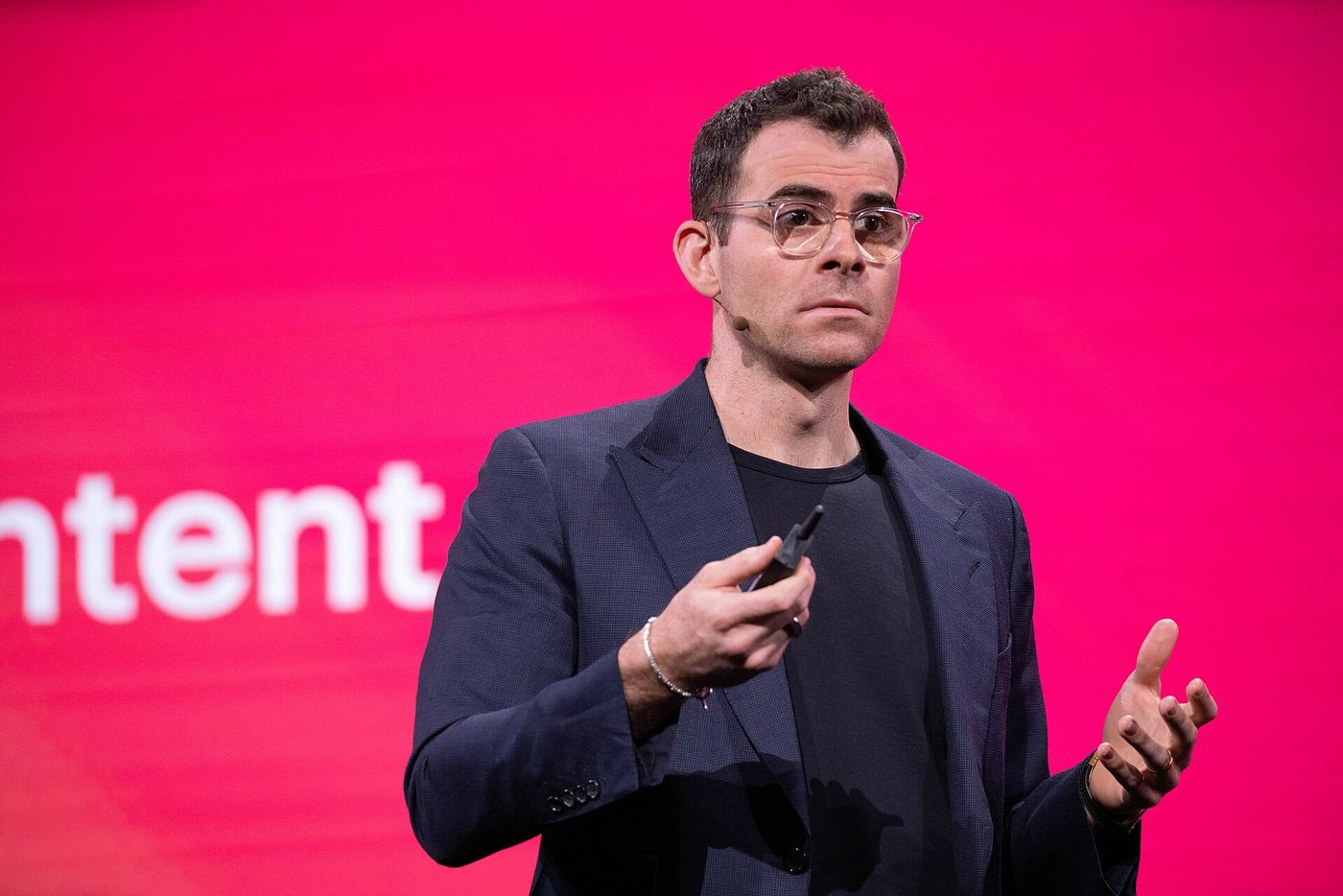
Meanwhile, the creators who did not get a call have no comparable route to earnings. Instagram told Variety it is “too early to share a long-term monetization model” for Features. Head of Instagram Adam Mosseri wrote in a social post that the company is “exploring multiple options to help long-form creators get paid.”
Half a million dollars next to the old creator funds
On its own, $500,000 sounds huge. Set against earlier platform funds, it is a modest, targeted bet. We took the published size of four past programs and spread each one across its stated period to get a rough daily figure.
| Program | Announced | Published size | Rough daily rate | What replaced it |
|---|---|---|---|---|
| TikTok Creator Fund (US) | July 2020 | $200 million over the first year | about $548,000 | Creativity Program; fund closed December 2023 |
| Snapchat Spotlight payouts | November 2020 | over $1 million a day | over $1 million | Payouts cut in 2022; unified program in 2025 |
| YouTube Shorts Fund | May 2021 | $100 million across 2021-2022 | about $137,000 | Shorts ad revenue sharing from February 2023 |
| Instagram Features deals | October 2026 | about $50,000 to $500,000 per creator | not disclosed | No long-term model announced |
The comparison shows the difference in approach. TikTok’s 2020 fund and Snap’s Spotlight payouts were open pools that rewarded thousands of accounts for views. By contrast, the largest single Instagram offer is roughly what TikTok’s first-year US fund was budgeted to pay out in a single day. Instagram is not trying to pay a crowd. It is paying a short list of channels whose videos already pull a large audience.
Every paid lure so far has had an expiry date
Creators have seen this cycle before, and Instagram has run it twice. The company launched IGTV for long videos in 2018 and funded episodic shows in 2021. Then, in February 2022, it shut the standalone IGTV app and dropped in-stream video ads, giving monetizing creators a temporary monthly payment instead. Business Insider also notes that Instagram’s Reels bonus programs “have dwindled.”
The same pattern holds elsewhere. YouTube said its Shorts Fund was only “the first step” toward a monetization model, and it was replaced by ad revenue sharing within two years. TikTok closed its Creator Fund in late 2023. Snap trimmed Spotlight payouts after the launch rush.
So the safest reading is that launch money is a sign-on fee, not a salary. It tends to last while a platform needs supply for a new product, and it fades once the product either works or is folded away.
Why the Instagram Features deals skip exclusivity
Exclusive contracts are expensive, and they rarely survive contact with YouTube’s pay model. Partner Program creators receive 55% of the ad revenue on their long videos, as TechCrunch noted when Features launched. Asking a large channel to give that up would cost far more than $500,000.
Mirroring is cheaper. Instagram fills its new format with proven videos on day one, and it can tie them to Reels through “Clips as Reels,” which lets up to eight short clips point to one long video. It also needs a library for its TV app, which has just reached Apple TV in the US. Mosseri has said the TV experience “is going to take some time to get right.”
There is a cost argument, too. Mosseri told the Colin and Samir Show that Instagram’s existing performance program loses money, saying “we spend more money than we make back by a long shot.” A handful of fixed deals is easier to budget than an open revenue share.
The trade-off sits on the YouTube side of the ledger
For a creator, the obvious gain is cash plus extra reach. Underscore Talent partner Reza Izad told Business Insider that new formats tend to get “algorithmic preference,” and that long-form supply on Instagram is thin.
However, the same-day mirroring built into the Instagram Features deals has a price. Any fan who watches the full video on Instagram is a view YouTube does not count or pay for. The flat fee has to cover that, and only the creator’s own analytics can show whether it does. That is also why YouTube’s results matter here: as we reported, YouTube ad revenue growth slowed to 9% last quarter, so the platform has its own reasons to guard watch time.
Five questions before signing one of the Instagram Features deals
Creators weighing an offer, or hoping for one, can check five things first:
- Payment basis. Is the sum per video, per month or a flat fee, and what happens if you upload less often?
- Length of the term. A short term protects you if Instagram changes course, as it did with IGTV.
- Sponsor contracts. If a brand paid for an integration on YouTube, check whether its contract covers a second platform before the same video goes to Instagram.
- Release timing. Same-day posting can clash with YouTube Premieres or early access for channel members.
- Performance terms. Ask whether bonuses depend on Instagram views, and how those views are measured.
For smaller creators, the realistic plan is to treat Features as a promotional channel for now. Instagram has not promised them any payment, and its bonus history is uneven. By comparison, YouTube’s invite-only Shorts bonus program at least explains in its help pages how the view-based bonus is worked out.
What Instagram still has to answer
The open question is what comes after the checks. If Instagram eventually adds ads or a revenue share to Features, these early deals will look like a smart way to seed a library. If it does not, they risk becoming IGTV’s 2021 show deals again: well paid, briefly promoted and then folded into something else. Mosseri’s own words leave both paths open. On the Colin and Samir Show, he said pre-roll and mid-roll ads were “going to be problematic from a user experience perspective,” and that “creators don’t produce a lot more when we pay,” according to The Verge.
Until Instagram publishes a model that any creator can join, the Instagram Features deals remain what they look like today: a well-funded test of whether YouTube’s biggest channels will hand over a copy of their work for a fee.