The Fed rate hike in September 2026 raised the federal funds target range by a quarter percentage point to 3.75%–4.00%, the first increase since 2023. The Federal Reserve said inflation remained elevated while economic activity continued to expand. For households and businesses, the immediate message is that borrowing costs may stay higher for longer—and another increase remains possible before year-end.
At a glance
- The Federal Open Market Committee raised its target range to 3.75%–4.00% on September 16.
- The decision was unanimous, and most policymakers projected at least one additional increase in 2026.
- Higher U.S. rates can affect currencies, borrowing conditions and capital flows well beyond the United States.
What did the Fed decide in September 2026?
In its September 16 policy statement, the Federal Reserve said the economy had continued to expand at a solid pace, unemployment remained low and inflation was still elevated. The committee increased the federal funds target range from 3.50%–3.75% to 3.75%–4.00%.
The federal funds rate is the overnight rate banks charge one another for reserves. Consumers do not borrow directly at that rate, but it influences other financing costs, including credit cards, business loans and some mortgage rates. The decision therefore tightens financial conditions even if its effects appear gradually.
The Associated Press reported that it was the first rate increase since 2023. The move came after recent data showed persistent inflation alongside resilient consumer spending, giving policymakers less reason to support cheaper credit.
Why did policymakers raise rates?
The Fed is required to pursue maximum employment and stable prices. With unemployment low and inflation above the central bank’s 2% goal, officials judged that price pressures posed the larger immediate risk. Higher interest rates are intended to restrain demand by making borrowing and investment more expensive.
The decision also shows why one inflation report cannot determine policy by itself. Our earlier explainer on U.S. inflation and the Fed decision examined the data officials were watching. The September meeting converted that risk into an actual policy change.
Policymakers also face uncertainty from energy prices, trade policy and geopolitical disruption. Those forces can raise costs even as higher borrowing rates slow other parts of the economy. The Fed’s statement therefore kept future decisions dependent on incoming data rather than promising a fixed path.
Does the Fed rate hike September 2026 mean another increase is coming?
Not automatically. The Fed’s new economic projections show how individual policymakers expect growth, inflation and interest rates to develop, but those projections are not binding commitments. AP reported that 16 of the 18 officials submitting forecasts pencilled in at least one more increase this year.
The next decisions will depend on inflation, employment, spending and financial conditions. Cooling price growth or a sudden weakening in the labour market could change the outlook. Persistent inflation and strong demand would strengthen the case for another move.
What does the increase mean for markets and borrowers?
Short-term borrowing generally becomes more expensive when the Fed raises its policy rate. Credit-card interest, variable-rate business financing and some consumer loans can respond relatively quickly. Savers may benefit if banks pass higher rates through to deposits, although the size and timing vary.
Markets also reprice government bonds, currencies and equities around expectations for future rates. Higher yields can reduce the present value investors assign to future company earnings. The reaction depends less on one quarter-point move than on what investors believe comes next.
Why it matters for Bangladesh and South Asia
Bangladesh does not mechanically follow the Federal Reserve, but U.S. monetary policy can affect the region through the dollar, global financing costs and investor appetite. Higher dollar rates can make external borrowing more expensive and encourage capital to remain in U.S. assets. A stronger dollar may also increase the local-currency cost of dollar-priced imports.
Those effects are not guaranteed and can be offset by remittances, export earnings, domestic policy and commodity prices. Businesses and policymakers must watch both the Fed’s path and local foreign-exchange conditions rather than treating the U.S. decision as isolated.
Why it matters
The September increase changes the central question from when easing might resume to how long tighter policy will last. The Fed has signalled that controlling inflation takes priority while growth and employment remain resilient. That shift affects loan pricing, investment decisions and exchange-rate expectations around the world.
What happens next?
Investors will focus on the next inflation and employment reports, followed by the Fed’s late-October meeting. A single release is unlikely to settle the issue. The clearest signal will come from a sustained trend in underlying inflation and whether consumer demand remains strong despite higher rates.
Sources
- Federal Reserve: September 16 FOMC statement
- Federal Reserve: September economic projections
- Associated Press: Federal Reserve raises its key rate
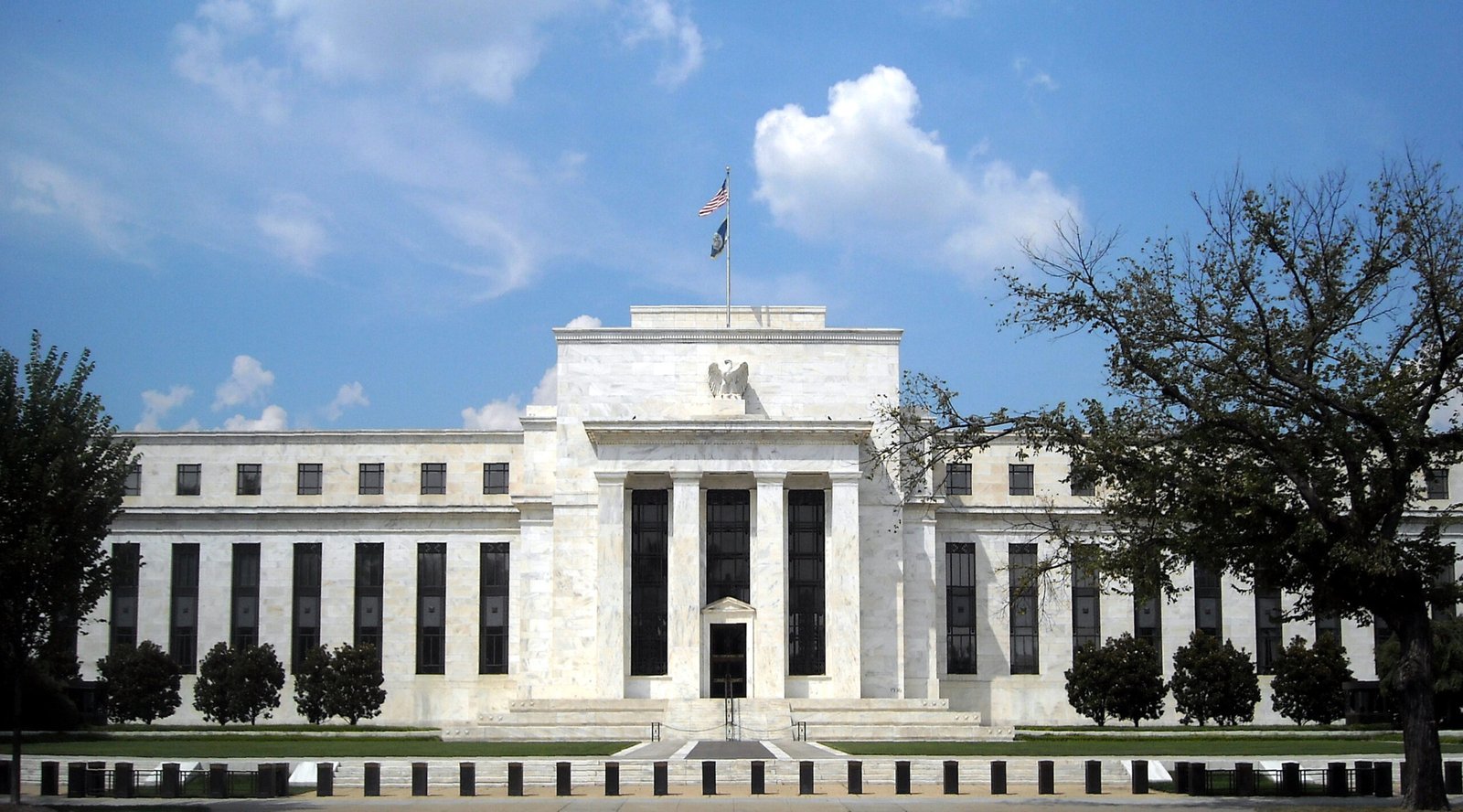
Featured image: Marriner S. Eccles Federal Reserve Board Building, photograph by AgnosticPreachersKid via Wikimedia Commons, licensed CC BY-SA 3.0.