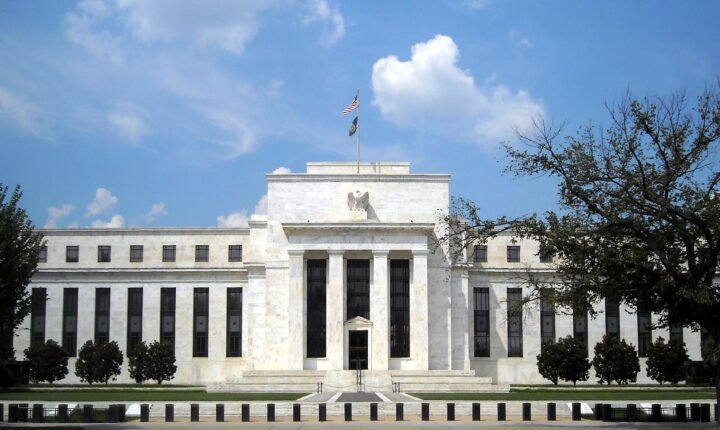
The U.S. Senate’s cryptocurrency bill failed to advance on September 15, 2026, leaving the country without the comprehensive digital-asset framework sought by the industry. The procedural vote on the Digital Asset Market Clarity Act was 49–50, well short of the 60 votes required. The result does not permanently kill the measure, but it makes near-term passage difficult and leaves the SEC and CFTC working under existing authority.
At a glance
- The Senate rejected cloture on H.R. 3633 by 49 votes to 50; 60 votes were required.
- The bill sought clearer divisions of responsibility between the SEC and CFTC for digital assets.
- Regulation will continue through agencies, courts and existing law unless Congress revives or replaces the legislation.
Why did the U.S. crypto bill fail?
The official Senate roll-call record shows that cloture on the motion to proceed to H.R. 3633 was rejected. There were 49 votes in favour, 50 against and one senator not voting. Because cloture required three-fifths of the Senate, the proposal could not move to the next stage.
Opposition came from Democrats and four Republicans: Susan Collins, Josh Hawley, Jerry Moran and Thom Tillis. Tillis voted no in a procedural move that preserves the possibility of seeking reconsideration. That distinction matters. The Senate did not conduct a final up-or-down vote on the entire bill; it refused to end debate and proceed under the proposed timetable.
Reuters reported that last-minute changes failed to resolve concerns involving ethics, banking and the proposed regulatory structure. Democrats argued that protections addressing public officials’ crypto interests were inadequate. Some banking interests also worried about stablecoin products drawing deposits away from traditional institutions.
What would the Digital Asset Market Clarity Act have changed?
The measure was designed to create a federal system for regulating the offer and sale of digital commodities. Its official description assigns roles to both the Securities and Exchange Commission and the Commodity Futures Trading Commission, while also addressing central-bank digital currency policy.
The core problem is that crypto assets do not fit neatly into rules originally written for conventional securities and commodities. Companies want predictable tests for whether a token falls under the SEC, the CFTC or another regime. Consumer advocates, meanwhile, want safeguards against fraud, conflicts of interest, unstable platforms and market manipulation.
A statute passed by Congress could provide more durable boundaries than agency guidance alone. Without one, rules can change with administrations, be challenged in court or develop case by case. That uncertainty raises compliance costs for legitimate companies while making it harder for consumers to understand what protections apply.
What happens to U.S. crypto regulation now?
The bill is stalled, not erased. Senate leaders could attempt reconsideration, negotiate a narrower compromise or introduce a different measure. The political calendar makes rapid action difficult, however, because lawmakers are preparing to leave Washington before the November midterm elections.
In the meantime, the SEC and CFTC retain their existing powers. Regulators can issue rules, bring enforcement cases and clarify how they interpret current statutes, but their authority has limits. Courts may review those actions, and a future administration could reverse policy. This is why industry executives continue to argue that legislation is necessary even when regulators take a more accommodating approach.
The vote also affected markets. Reuters reported declines in bitcoin and shares of major crypto companies as the proposal appeared set to fail. A one-day price reaction does not establish the bill’s long-term economic importance, but it shows investors were pricing in some chance of clearer federal rules.
Why it matters
The failed U.S. crypto bill matters beyond Washington because American capital markets, regulators and technology companies influence global digital-asset activity. A clear U.S. framework could shape compliance standards used by exchanges and issuers elsewhere. Continued uncertainty may instead encourage companies to choose jurisdictions with more explicit rules.
There is no direct change to cryptocurrency law in Bangladesh or other South Asian countries. Local users remain subject to their own national rules, and the U.S. vote should not be interpreted as approval of crypto trading in jurisdictions where it is restricted. The regional significance is indirect: global prices, platform policies and investment flows often react to U.S. regulation.
The vote also illustrates a broader lesson seen in our coverage of U.S. monetary policy and Bangladesh: decisions made in Washington can influence markets worldwide, but their local effects depend on domestic law and economic conditions.
What should readers watch next?
The key signals are whether Senate leaders schedule reconsideration, whether negotiators agree on stronger ethics and consumer-protection provisions, and how the SEC and CFTC use existing powers. Readers should distinguish between agency proposals, court decisions and enacted legislation; each has a different legal force.
Sources
- U.S. Senate: official roll-call vote 234
- U.S. Senate Daily Press: September 15 proceedings
- Reuters: Senate fails to advance cryptocurrency legislation
- Associated Press: Senate blocks cryptocurrency regulation bill
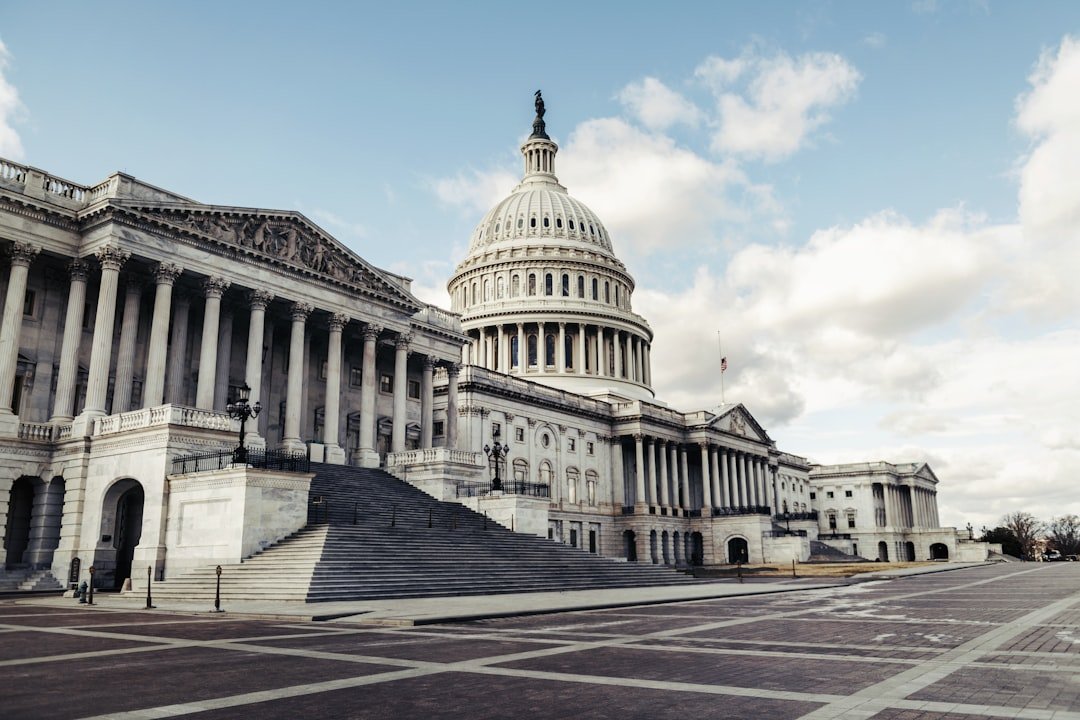
Featured image: United States Capitol, photo by Tim Mossholder on Unsplash.