US consumer prices rose 3.4% from a year earlier in August, while monthly CPI increased 0.4%. The data has put the Federal Reserve’s September 15–16 decision—and the effect of US rates on countries such as Bangladesh—back at the centre of market attention.
US inflation data: the numbers markets are watching
Reuters reported that headline CPI rose 0.4% in August and 3.4% over 12 months. Core CPI, which excludes food and energy, rose 0.3% over the month and 2.4% year on year. A 3.9% rise in gasoline prices accounted for more than a third of the monthly headline increase.
The Federal Reserve’s policy rate was in the 3.50%–3.75% range ahead of the meeting. The official 2026 FOMC calendar lists the next scheduled meeting for September 15–16. CME’s FedWatch tool tracks market-implied probabilities from fed-funds futures; those probabilities are not promises of what the Fed will do.
Why US inflation data matters for the Fed
The Consumer Price Index is one of the indicators Federal Reserve officials consider alongside employment, wages and broader economic activity. When inflation remains persistent, policymakers may keep borrowing costs higher for longer in an effort to slow demand and bring price growth back toward their target.
Reuters reported that the S&P 500 finished 0.86% higher on September 11, while the Nasdaq gained 0.96% and the Dow rose 0.98%. The day’s market move does not determine the Fed’s action: investors can reassess quickly as new data arrives.
Why the Fed decision matters for Bangladesh and other importers
For Bangladesh and other economies that import fuel, food and industrial inputs, a stronger US dollar can raise local-currency costs. Higher global dollar funding costs can also affect companies and governments with dollar borrowing. The effect depends on exchange rates, local policy and commodity prices, so it should not be treated as a one-way forecast.
What investors are watching next
- Inflation composition: whether price pressure is broad-based or concentrated in categories such as energy.
- Labour-market data: whether hiring and wage growth point to continued demand pressure.
- The Fed’s statement: its explanation of the risks to inflation, growth and employment.
Higher US interest rates can support the dollar and raise dollar-funding costs globally. That can matter for emerging-market currencies, imported fuel prices and companies that borrow in dollars. It does not mean every market will move in the same direction, but it is why the US inflation report is closely watched far beyond Wall Street.
What the US inflation data means for the Fed rate decision
The immediate takeaway is not that a rate rise is certain. It is that the newest US inflation data has made the next Fed decision a central question for markets. For related coverage, read our report on the August inflation reading and the Federal Reserve.
How a Fed rate decision reaches everyday prices
The Fed does not set mortgage, credit-card or business-loan rates directly, but its policy rate influences the cost of borrowing throughout the economy. When rates rise, lenders often charge more for new loans. That can cool demand over time, while savers may receive higher returns on deposits. The effect is uneven and can take months to work through the economy.
For international readers, the important channel is often the US dollar. A stronger dollar can make dollar-priced imports and debt more expensive in local-currency terms. Oil is commonly priced in dollars, so shifts in energy prices and exchange rates can both affect local inflation.
FAQ: US inflation data and the Fed
Does one inflation report guarantee a Fed rate hike?
No. Policymakers assess a range of evidence, including several inflation readings, jobs data and financial conditions. Market expectations are useful signals but are not official forecasts.
Why did stocks rise if rate expectations increased?
Equity markets respond to many factors at once, including company earnings, growth expectations, oil prices and the belief that inflation may still be manageable. A single day’s move should not be read as a verdict on the next policy decision.
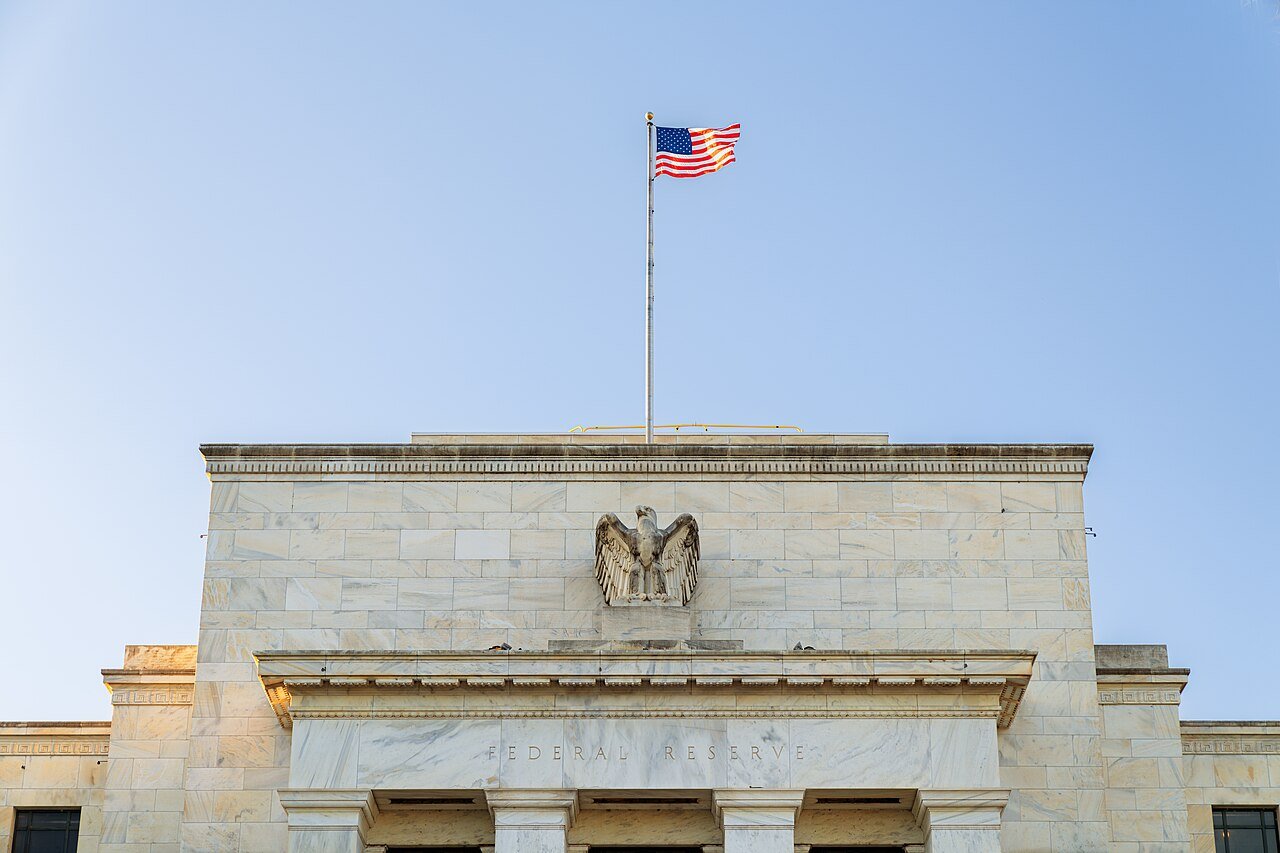
Featured image: The Federal Reserve building in Washington, D.C., photographed by Tony Webster, CC BY 2.0, via Wikimedia Commons. Used illustratively.