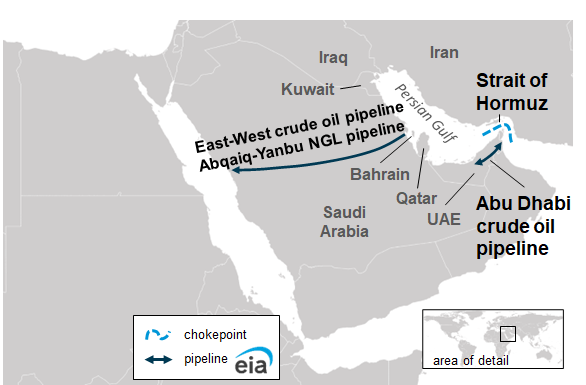
Brent crude oil rose above $100 a barrel on September 9 as escalating attacks and counterattacks around the Gulf raised fears of a longer disruption to energy shipping.
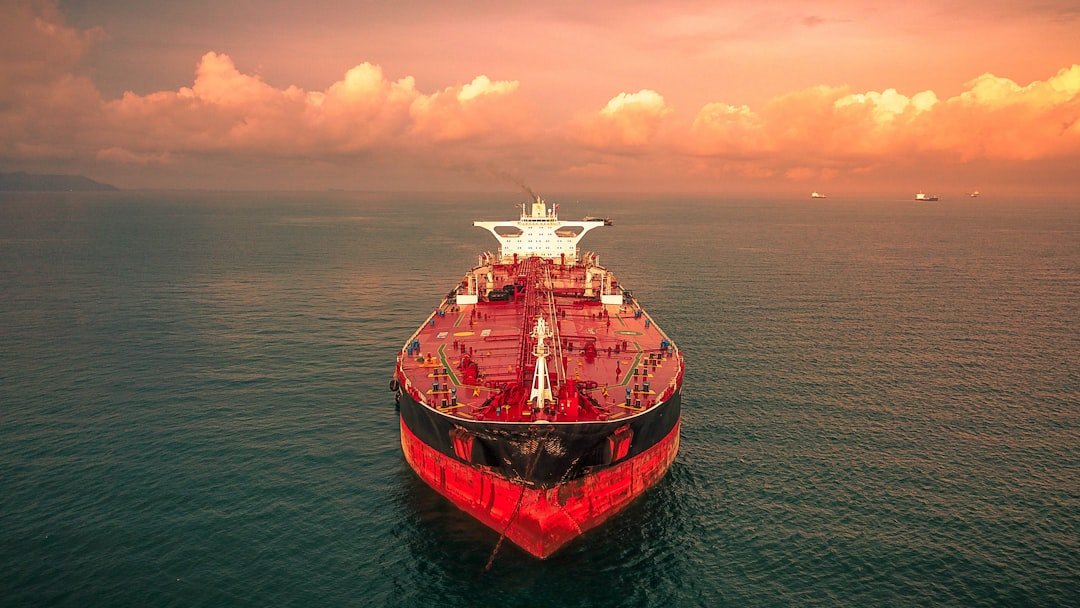
Brent futures traded as high as $100.66 a barrel, while U.S. West Texas Intermediate reached $95.77, according to Reuters. The move put oil back at levels last seen in July and renewed concern that a conflict affecting shipping routes could feed through to fuel prices, inflation and interest-rate decisions.
Why markets are focused on shipping lanes
The Strait of Hormuz is one of the world’s most important oil transit routes. Reuters reported that recent attacks involving Iran, the United States and regional forces have disrupted traffic in and around the Gulf. The immediate market question is not only how much oil has been lost, but whether tankers, insurers and refiners will be able to keep moving supplies normally.
Oil markets can react before physical shortages are confirmed. When traders see a growing risk to ships, ports or production facilities, they price in the possibility that cargoes will take longer routes, freight and insurance costs will rise, or some barrels will be delayed.
What it could mean for Asia and the United States
For major Asian importing economies, a sustained rise in crude can increase the cost of transport, manufacturing and household energy. It can also complicate central-bank decisions if higher fuel prices keep inflation elevated.
In the United States, higher crude prices do not translate one-for-one into gasoline prices, but extended disruption can put upward pressure on fuel costs. Associated Press reported that U.S. stocks fell as oil moved above $100, while energy shares gained and investors watched upcoming inflation data.
Markets will also be watching whether governments use strategic reserves, whether producers can raise supply, and whether shipping through the Gulf stabilizes. Those choices could determine whether the latest move is short-lived volatility or a broader energy shock.
For related coverage, read our report on Hormuz shipping and Asian and U.S. markets. Follow our latest news and analysis for further reporting.
Brent crude above $100: what to watch next
- Shipping activity: Watch whether tanker traffic through the Gulf stabilizes or faces further disruption.
- Supply decisions: Look for official announcements on strategic reserves and producer output.
- Inventory data: Compare price movements with evidence of changes in available oil supplies.
- Security developments: Follow verified official statements and reporting on further attacks or de-escalation.
A de-escalation that restores predictable tanker traffic could ease the risk premium in crude prices. Continued disruption would keep energy markets—and consumers around the world—under pressure.
Sources: Reuters; Associated Press.