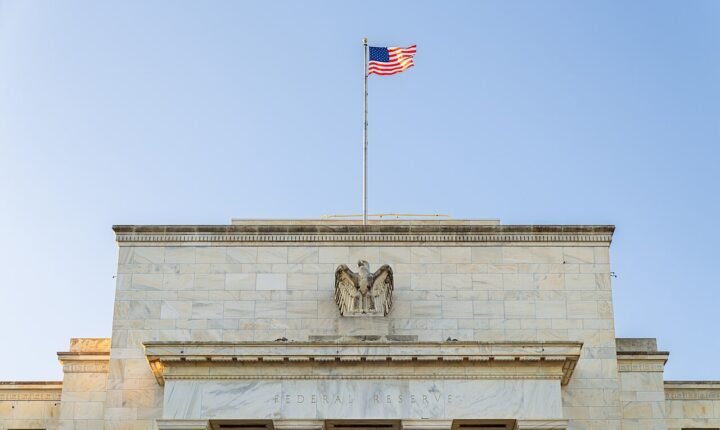
US consumer prices rose 0.4% in August, according to data from the Bureau of Labor Statistics, keeping the Federal Reserve’s next policy decision firmly in focus.
The August Consumer Price Index report was released on September 11. The reading followed a period in which energy costs and wider market uncertainty had already pushed investors to reassess the path for borrowing costs.
Why markets are watching
Inflation data matter because the Federal Reserve uses evidence on price pressures, employment and economic activity when setting interest rates. A higher monthly reading does not determine a decision on its own, but it can strengthen the case for officials to keep policy restrictive for longer or raise rates.
Reuters reported that the inflation report reinforced market expectations of a rate rise at the upcoming Federal Reserve meeting. Financial-market expectations can change quickly, so they should be understood as investor pricing rather than a policy announcement.
What it could mean beyond the US
Higher US rates can affect the dollar, global funding costs and capital flows into emerging markets. For businesses and households outside the US, the immediate effects often arrive through currencies, imported-energy prices and the cost of dollar-denominated borrowing.
Featured image: US dollar banknotes, public domain, via Wikimedia Commons.