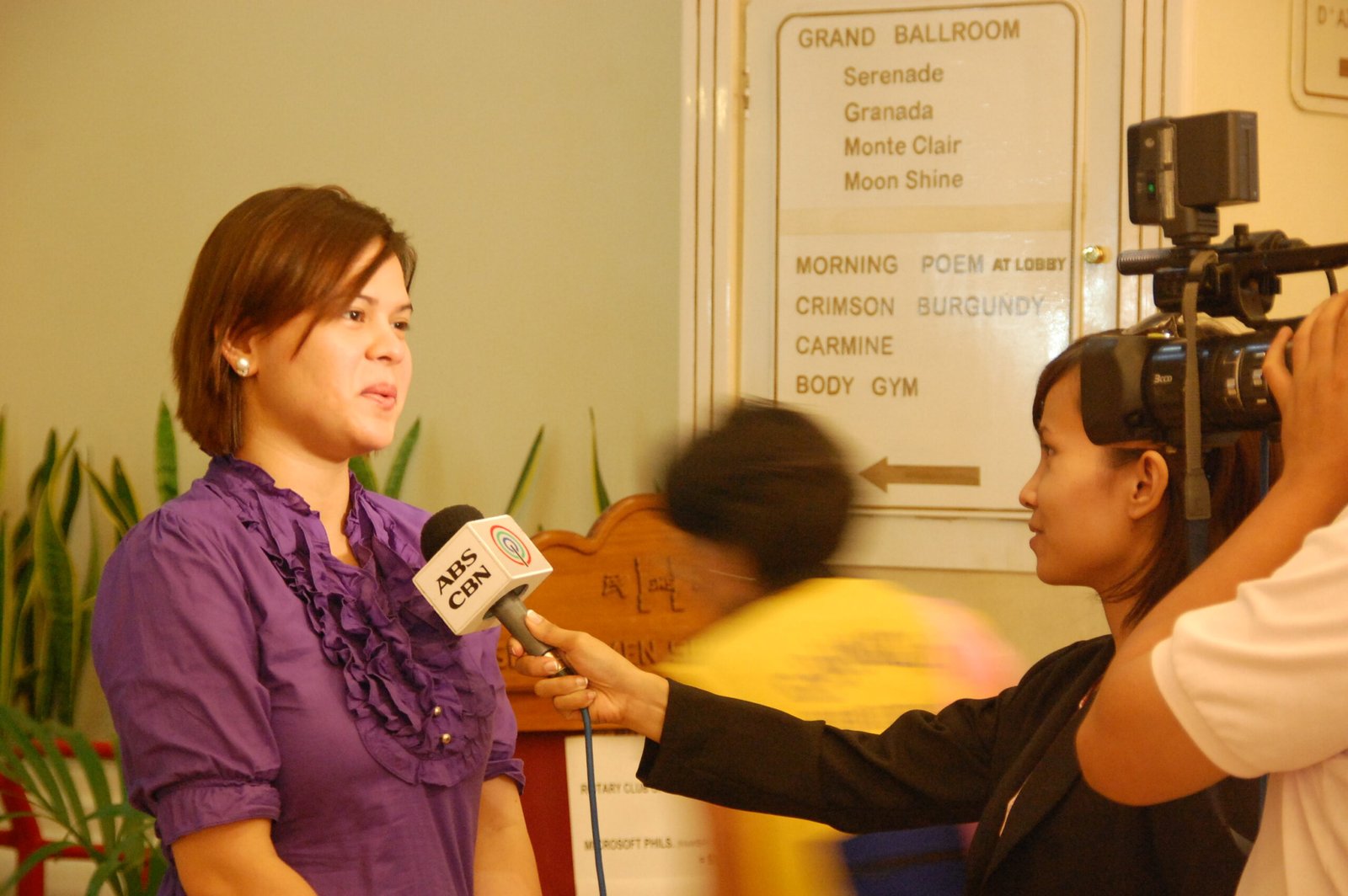
Philippine Vice President Sara Duterte posted bail on September 5, 2026, following an arrest warrant over alleged threats against President Ferdinand Marcos Jr. and two others. She denies the allegations, according to the Associated Press.
Sara Duterte posts bail after Friday’s warrant
At the Quezon City court on Saturday, Duterte presented an order lifting the warrant issued a day earlier. Her lawyer told AP that she had posted 360,000 pesos for three counts of grave threats. The allegations concern comments during a 2024 online news conference.
A separate trial raises the political stakes
Meanwhile, Duterte also faces a Senate impeachment trial. A conviction there could remove her from office and end her planned 2028 presidential bid, Reuters reported. Marcos and Duterte won power as allies in 2022 before their partnership broke down in 2024.

Reuters also reported that Interior Minister Jonvic Remulla rejected Duterte’s complaints about police treatment, saying officers had treated her respectfully. The president’s office had said it would respect the court’s decisions.
What bail means for the court case
For readers following the case abroad, the court terminology matters. Under Rule 114 of the Philippine Rules of Court, bail secures a person’s release while guaranteeing required court appearances. It can take several forms, including a cash deposit or a bond.
However, release does not decide whether an accusation is true. Rule 115 separately protects the accused’s right to be presumed innocent until guilt is proved beyond reasonable doubt. It also provides the right to counsel and to know the nature of the charges.
The distinction helps explain Saturday’s development: bail addresses custody and attendance as proceedings continue. A verdict addresses guilt. In addition, Rule 114 requires defendants to appear when the court orders them to do so. An unjustified absence after proper notice can allow a trial to proceed without them.
Keep the criminal case and impeachment separate
The bail development belongs to the criminal court process described above. The separate impeachment proceedings concern her continuation in public office. A step in one process should not be presented as a verdict in the other. Likewise, a warrant being lifted after bail does not mean that the underlying allegations have been dismissed.
Readers following later developments should look for a dated court order identifying the charges and next procedural step, and a separate official record for any Senate action. A statement by a political ally or opponent does not replace either record. This distinction is especially important in a contested political case, where legal developments and campaign arguments can appear together in the same headline.
Archive note — October 6, 2026: This report describes the September 5 bail development. Statements about pending proceedings reflect the reports cited at that time; this article does not assert their present status.
For further international reporting, visit our World news section.