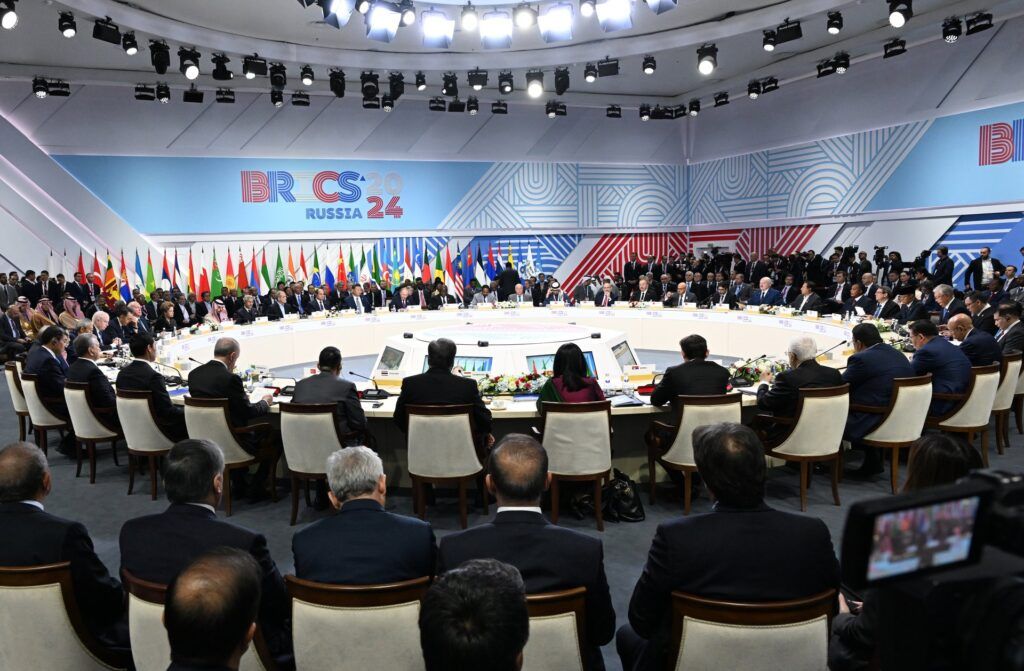
Leaders from the expanded BRICS group have gathered in New Delhi for a summit centred on trade, development finance and a strained global security outlook.
This article covers the opening of the 18th BRICS Summit, held in New Delhi on September 12–13, 2026, under India’s chairship. The expectations described below refer to the summit’s opening, not a meeting taking place today. The Indian government says the programme includes meetings alongside an innovation exposition in New Delhi, while leaders are expected to discuss economic cooperation and reform of international institutions.
Why the BRICS summit in New Delhi matters
BRICS has grown beyond its original five members and now brings together countries with different strategic interests. That makes common positions difficult, but it also increases the group’s influence in debates about trade settlement, development lending, food security and energy security.
Associated Press reported that leaders are discussing greater use of national currencies in trade and are meeting against the backdrop of wars and wider geopolitical tensions. Any proposals still require agreement among members, so the summit should not be treated as an automatic move away from the dollar.
How to check the summit’s outcomes
The New Delhi Declaration published by India’s prime minister’s office provides a primary record against which to check the opening expectations below. A joint declaration establishes what leaders agreed to state; implementation requires separate evidence such as adopted rules, funded projects or operational payment arrangements. Readers should distinguish an announced ambition from a measure already in force.
Questions raised as the BRICS summit opened in New Delhi
- Whether the summit communiqué contains concrete steps on cross-border payments or development finance.
- How leaders address conflicts that divide member countries.
- Whether India can turn its chairship into practical cooperation rather than broad declarations.
Read the declaration alongside the opening report
The published declaration records the dates of the BRICS summit, September 12–13, and describes cooperation in political and security affairs, economic and financial matters, and cultural and people-to-people exchanges. Its opening provisions also discuss partner-country participation and reform of global governance.
For readers assessing outcomes, the key is the type of commitment. A shared diplomatic position is evidence of agreement on wording. A financing pledge needs a named funder and an amount; an operational trade measure needs published rules and a start date. Those are different tests, and an opening news report cannot substitute for all of them.
For a separate India trade development days later, see our report on the New Zealand-India trade deal vote.
This report is preserved as an account of the summit’s opening. Context reviewed October 6, 2026; references to what leaders were expected to discuss describe September, not a forthcoming summit.
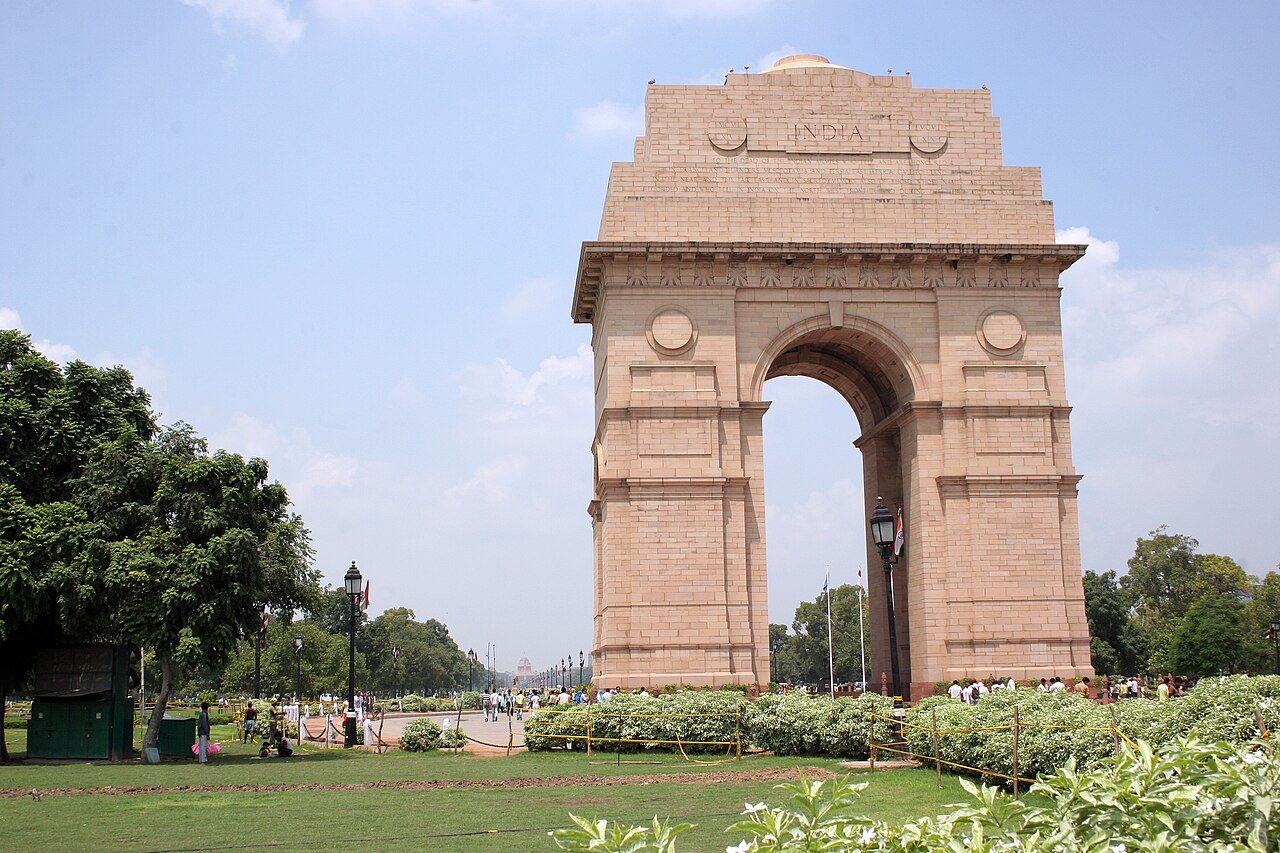
Featured image: India Gate, New Delhi, by David Castor (dcastor), public domain, via Wikimedia Commons. Used illustratively; it does not depict the summit.
Modi and Xi’s bilateral talks on the sidelines
Indian Prime Minister Narendra Modi and Chinese President Xi Jinping held talks in New Delhi on September 12 during the BRICS summit. Reuters and the Associated Press reported that they discussed trade, people-to-people links and wider cooperation, and stressed the importance of peace along the disputed border, a relationship strained since the 2020 border clash.
The meeting was not a boundary settlement: Reuters reported that both countries still maintain heavy deployments along the frontier. Trade gives the talks an economic dimension. Reuters put bilateral trade at a record $155.6 billion in 2025, with India’s deficit above $100 billion. A substantive follow-up would be a dated agreement or joint statement naming specific steps, not a broad assurance of cooperation.