RoboTechnik’s Hong Kong share sale matters because it puts an industrial supplier to the AI-infrastructure buildout in front of public-market investors—not because it is an AI company in the consumer sense. The Shenzhen-listed automation-equipment maker is seeking up to HK$5.18 billion (about US$660 million) from a Hong Kong offering, according to Reuters. The deal is expected to price on September 24, with trading planned for September 29.
At a glance
- RoboTechnik is offering 11.9 million H shares at a maximum HK$436 each, Reuters reported.
- The company’s work includes photovoltaic-cell manufacturing equipment and silicon-photonics systems used in data-centre and AI infrastructure.
- The offering arrives as Hong Kong’s IPO and secondary-listing market has strengthened in 2026.
What is the RoboTechnik Hong Kong IPO?
It is a secondary Hong Kong listing by a company already traded in Shenzhen. A secondary listing can give an established issuer another pool of capital and a wider investor base; it does not automatically mean the company is launching a new product or changing its core business.
Reuters reported that the maximum base deal is HK$5.18 billion, with the potential to rise if an overallotment option is exercised. The final amount depends on pricing and investor demand. Readers should treat the headline fundraising figure as a maximum, not as money already raised.
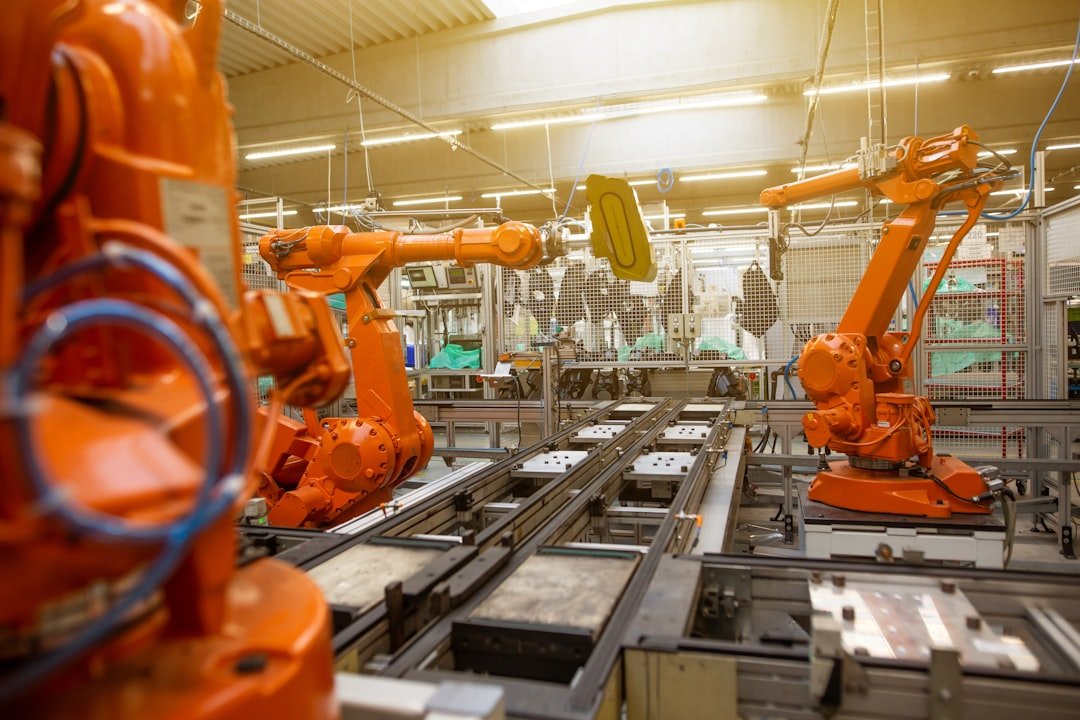
RoboTechnik describes itself as a maker of high-end automation equipment and industrial-internet manufacturing-execution software. Reuters says its portfolio also includes equipment for photovoltaic-cell production and silicon-photonics systems tied to data-centre and AI infrastructure.
Why silicon photonics is the important detail
AI data centres need more than advanced processors. They also need fast, reliable ways to move data between servers, storage and networking equipment. Silicon photonics is one approach to making optical connections more compact and efficient. That makes companies that supply related equipment relevant to the broader infrastructure chain—although it does not mean every supplier captures the same economics as a chip designer or cloud operator.
This distinction matters for investors searching for an “AI play.” The company is exposed to industrial demand and project cycles as well as to AI infrastructure. Its solar-equipment business and its manufacturing customers can be affected by trade policy, capital-spending conditions and competition independently of data-centre investment.
Why Hong Kong is watching the deal
Reuters reported that Hong Kong IPOs and secondary listings had raised US$45.8 billion so far this year, compared with US$24 billion over the same period a year earlier, using LSEG data. RoboTechnik is one of four Chinese issuers launching offerings expected to begin trading on September 29.
That backdrop helps explain the timing, but it is not a guarantee of aftermarket performance. The company’s offer price, demand, free float and wider market conditions will all matter once shares begin trading.
What happens next?
The key checkpoints are the final price on September 24 and the planned market debut on September 29. Investors should read the offering documents for use of proceeds, risk factors, customer concentration, margins and the exact role of any over-allotment arrangement before making a decision.
Why it matters
The RoboTechnik Hong Kong IPO is a useful test of how public investors value the less visible layers of AI infrastructure. Earlier coverage of Nscale’s IPO filing and AI data centres focused on computing capacity. This deal instead points to the machinery and optical links that support industrial and data-centre expansion. For companies in this supply chain, the opportunity may be real—but it is not the same as a direct bet on a single AI model.