The Amazon data-centre low-carbon aluminium project is an attempt to reduce emissions embedded in the cables that distribute electricity inside computing facilities. Prysmian said it will use aluminium produced with ELYSIS inert-anode technology for cables supplied to an Amazon data centre in Ohio. The process is designed to eliminate direct greenhouse-gas emissions from aluminium smelting, but that claim does not make the entire cable or data centre carbon-free.
At a glance
- Prysmian and Rio Tinto are working on low-carbon aluminium cables for an Amazon data-centre project in Ohio.
- ELYSIS technology replaces the carbon anodes used in conventional smelting and releases oxygen instead of direct carbon dioxide.
- The project addresses embodied emissions in construction materials, separate from the electricity consumed while a data centre operates.
How does the Amazon data-centre low-carbon aluminium project work?
Reuters reported on September 18 that Italian cable manufacturer Prysmian partnered with Rio Tinto to supply the cables. Aluminium made with ELYSIS technology will provide the conductive metal used in the electrical system.
Traditional aluminium smelting passes electricity through alumina using carbon anodes. Oxygen released from the alumina reacts with those anodes, producing carbon dioxide as they are consumed. ELYSIS uses proprietary inert anodes instead. Its developers say the reaction releases oxygen and removes direct greenhouse-gas emissions from the smelting step.
The official ELYSIS description says the technology grew from a joint venture between Alcoa and Rio Tinto. Alcoa’s technology page explains that the process is intended for new smelters or retrofits of existing facilities.
Does carbon-free smelting make the cable carbon-free?
No. “No direct greenhouse-gas emissions from smelting” is a precise process claim, not a full life-cycle result. Mining bauxite, refining alumina, generating electricity, transporting metal, manufacturing insulation and installing the cable can all create emissions.
The climate value therefore depends on several factors: how the electricity for smelting is generated, the emissions from upstream materials, the percentage of qualifying aluminium in the product and whether the new process performs reliably at commercial scale. A complete comparison would require product-level life-cycle data using consistent boundaries.
This distinction matters because data-centre sustainability claims often focus on operational electricity. Construction materials create embodied emissions before servers begin working. Steel, concrete, copper and aluminium are used at scale in buildings, substations, backup systems and electrical distribution.
Why are aluminium cables relevant to AI data centres?
AI facilities require dense electrical networks to move large amounts of power from the grid to transformers, switchgear and computing halls. Copper remains important, but aluminium is lighter and can be cost-effective for high-volume power distribution where designs account for its electrical and mechanical properties.
As data-centre construction accelerates, even incremental reductions per tonne can become significant across repeated projects. Early commercial orders also help new industrial technology move beyond demonstrations by creating specifications, quality tests and buyer demand.
However, a single project cannot establish sector-wide decarbonisation. The bigger test is whether production can scale, whether customers will pay any premium and whether verified emissions data follow the material through the supply chain.
Why it matters
The project shifts part of the AI sustainability debate from electricity consumption to the materials needed to build computing infrastructure. That is important because a lower-carbon grid does not erase emissions already embedded in a facility.
It also shows how large buyers can influence industrial processes through procurement. Amazon’s order gives Prysmian and Rio Tinto a real application for lower-emission metal, while the suppliers give the buyer a way to test procurement standards before wider adoption.
This complements The Daily Vantage’s coverage of Google’s carbon-removal agreement: both concern technology companies addressing emissions outside their immediate software operations, although avoidance and carbon removal are different strategies.
What should readers watch next?
The useful evidence will be quantitative: tonnes of ELYSIS aluminium delivered, verified product carbon footprints, commercial production rates and comparisons with conventional cable. Buyers should also disclose whether claims cover only smelting or the cable’s full life cycle. Without those details, the project is promising evidence of industrial adoption—not proof that an entire data centre is emissions-free.
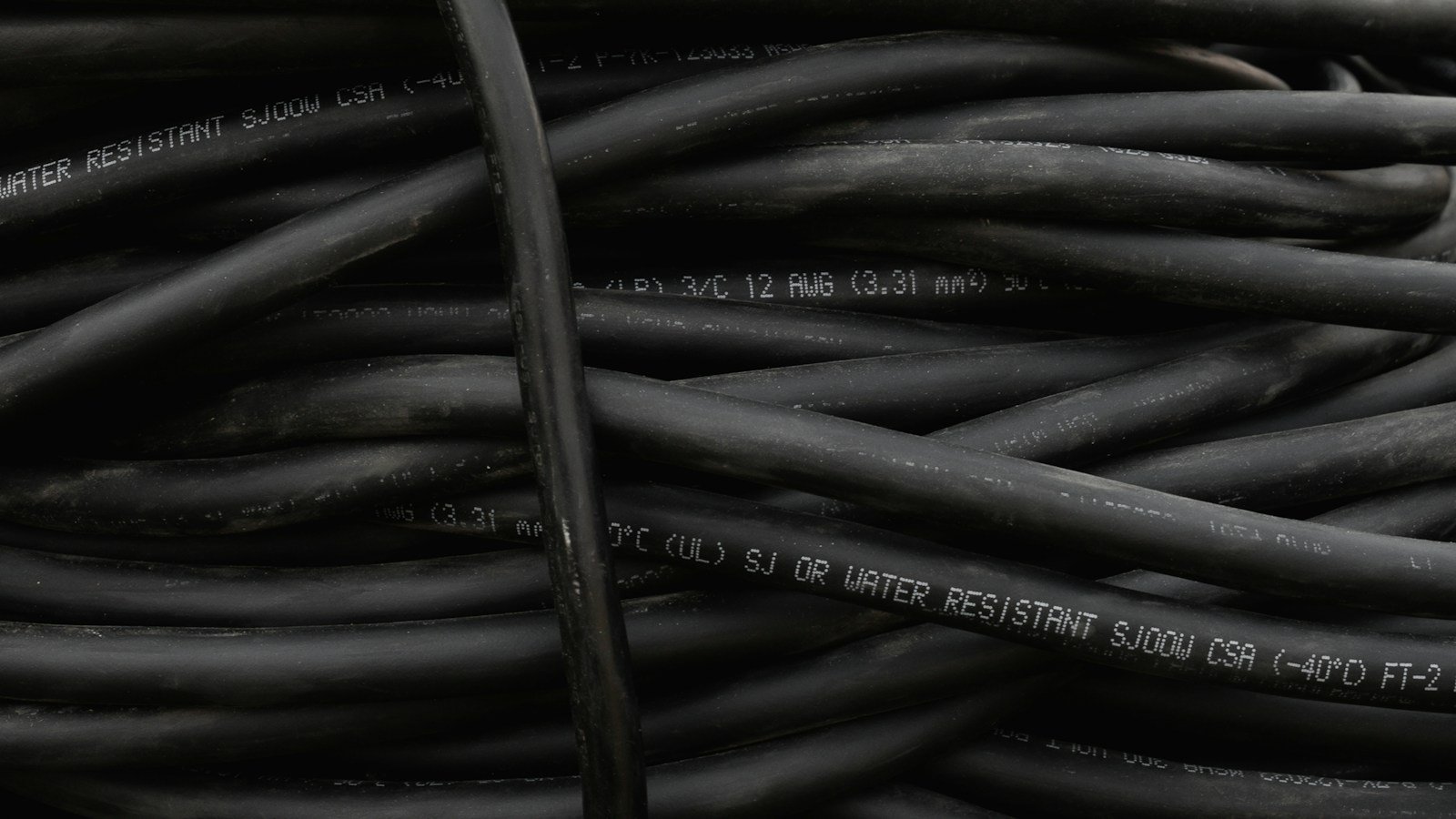
Featured image: Industrial electrical cables illustrating data-centre power distribution. Photo by Kier in Sight Archives on Unsplash.