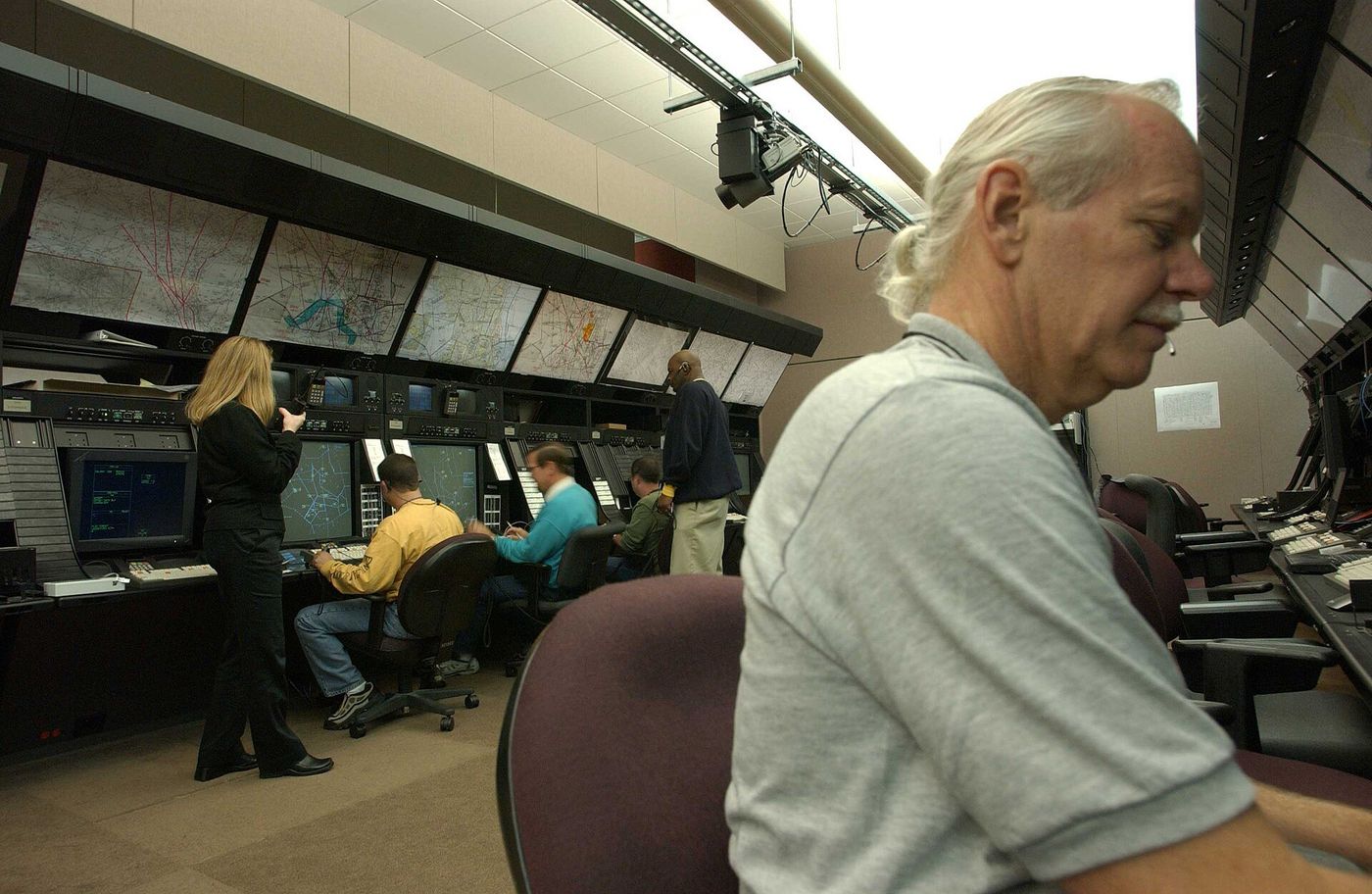
The FAA ground stop that froze every departure in the United States on Friday did not start with a storm or a cyberattack. Instead, it started with a contractor swapping an old copper line for fiber at a remote site, a job the government’s own numbers say is still only about 70% finished. That leaves roughly 1,300 facilities still to switch, and the next big test arrives with Thanksgiving on November 26.
A single router, a nationwide halt
Transportation Secretary Sean Duffy laid out the sequence at a Department of Transportation briefing on Saturday. A contractor, L3Harris, was moving telecom lines from copper to fiber, which he described as going “from TDM to IP.” During that work, a router started flooding other routers in the air traffic control network with more than 1,000 connection attempts every four to five seconds. As a result, controllers saw problems with radio contact and radar feeds.
FAA Administrator Bryan Bedford told reporters that no facility went dark. However, officials could not pin down the cause for about 45 minutes, so they stopped departures before the instability could cut a center off from aircraft, CNBC reported. Bedford also said there was “zero evidence” of anything nefarious.
The halt began around 4 p.m. ET and ran for more than four hours, the longest pause on U.S. departures in 25 years. According to FlightAware data cited by CNBC, more than 9,000 U.S. flights were canceled on Friday, about a third of the schedule, and nearly 6,500 more on Saturday. Meanwhile, Duffy said the open question is whether the fault was installer error or a faulty router. L3Harris says it is supporting the FAA investigation.
The FAA ground stop in numbers: how much copper is left
The network at the center of this is the FAA Telecommunications Infrastructure, or FTI. L3Harris owns and runs it. According to the company’s FTI program page, it links more than 4,400 FAA facilities, carries over 29,000 services and supports about 45,000 daily flights. The same page shows the copper-to-fiber switch at 70% of sites as of November 2.
Lining up the public progress reports shows how fast that figure has moved:
| Date | Share of copper sites switched | Source |
|---|---|---|
| July 2025 | Congress approves $12.5 billion for modernization | Reuters |
| May 2026 | 50% | L3Harris, via WIRED |
| September 1, 2026 | Over 64% | FAA testimony to House appropriators |
| November 2, 2026 | 70% (of 4,400+ sites) | L3Harris FTI program page |
| September 2027 | Target to retire remaining copper | FAA, via Forbes |
In other words, the pace has eased from roughly four points a month in the summer to about three points a month this autumn. At three points a month, the last 30% takes about ten months. That lands close to the September 2027 deadline the FAA has set for retiring its old copper lines, which Forbes reported in September. So the schedule is plausible, but it leaves little slack.
Equally important, every remaining cutover is a moment of risk. Friday showed that a routine swap at one remote site can spread through the whole network. Therefore, the speed of the switch matters less to travelers than how each change is tested and isolated before it goes live.
Why the FAA ground stop was not the first warning
Friday was not an isolated failure. In September, a failed primary circuit at a Philadelphia facility, combined with a severed backup fiber line, snarled thousands of flights along the East Coast. Duffy said at the time that the replacement network would add redundancy, so a single failure would not cause the same disruption.
There is also a structural wrinkle. L3Harris operates the legacy network during the upgrade. Meanwhile, WIRED reported that the FAA picked AT&T in August to move FTI to an entirely new system, after Verizon had previously been chosen. That means the old network is being rewired while its successor is still being built. For example, a fix on one side does not automatically carry over to the other.
We covered a smaller version of this problem when a UK air traffic control disruption cancelled about 1,300 flights in September. The lesson then was similar: one technical fault in a shared system can ground far more flights than any single airline outage.
The money gap behind the cutovers
The FAA ground stop also landed in the middle of a funding fight. Congress approved $12.5 billion for air traffic control modernization in July 2025. However, Bedford told House lawmakers in September that phase one alone is costing $16 billion, Reuters reported. The White House has since asked for another $30.1 billion through the Modern Skies Act. On Friday, Duffy raised his ask: “I want $50 billion,” he said, according to WIRED.
Still, money is not the only gap. A September GAO report found the agency had not built a full life-cycle cost estimate or an integrated master schedule for the program, AVweb reported. That matters because a master schedule is exactly what tells planners which cutovers happen when, and what backup sits behind each one.
The FAA has also pitched AI tools as part of its fix. Our earlier look at the FAA’s SMART planning system for flight delays explains what that software can and cannot do. Notably, officials said it played no role in Friday’s outage.
What flyers can claim after the FAA ground stop
For travelers, the rules are blunt. Because a ground stop is outside the airline’s control, carriers owe you only two things: rebooking or a refund. USA Today’s breakdown of the DOT rules puts it plainly. Hotels and meals are usually reserved for problems the airline caused, such as staffing or maintenance.
Here is how that works in practice:
- Cancelled flight: if you decide not to travel, you are owed a refund to your original payment method, whatever the ticket type.
- Long delay: a delay of at least three hours on a domestic flight, or six hours internationally, also qualifies for a refund if you choose not to fly.
- Still travelling: you can rebook on the same airline without a change fee, but there is no extra cash compensation for an FAA-caused disruption.
- Do not cancel first: if you cancel a flight yourself before the airline does, you may only get a credit.
Airline waivers also matter more than the federal minimum. For example, United lets customers booked on November 13 and 14 cancel for a full refund or rebook for travel by November 20. Delta allows rebooking before November 21, and Southwest covers bookings from November 13 through 16. Check your airline’s travel advisory page before you pay any fare difference.
Thanksgiving is the real stress test
Airlines ran a light Saturday schedule and offered crews extra pay to reposition planes, CNBC reported, because they want a clean start before the holiday rush. Even so, the network behind the FAA ground stop will keep changing through the season, since the remaining cutovers do not stop for holidays.
For now, the practical advice is simple. Book earlier flights in the day when you can, since they have more rebooking options. Keep your airline’s app ready, and avoid connections that leave no room for a delay. Finally, if you use an AI booking assistant, note that some airlines now block them; our report on how United bars AI agents from booking explains what that means for rebooking.
The bigger question is whether the FAA can finish the last 30% without another Friday. The numbers say the timeline is tight but doable. What they cannot show is how each remaining switch will be tested, and that is the detail lawmakers should ask for before they write the next check.