
Why does Markiplier oppose the GoPro merger? Mark Fischbach, the YouTuber and filmmaker known as Markiplier, says he invested because he believed in GoPro’s cameras—not because he wanted the company to pivot toward optical hardware for AI data centers, defense and other markets. He told Business Insider on September 10, 2026 that he was disappointed and would vote against the proposed Starman Optical deal, even though the cash portion could pay him roughly $15 million.
The deal was announced on September 1, so this article explains an ongoing proposal rather than claiming a new merger happened today. It also is not investment advice.
Why Markiplier opposes the GoPro merger
Markiplier’s argument is fundamentally about product direction. In his own September 1 YouTube stream, Fischbach said he had started accumulating GoPro shares months earlier because he saw promise in the company’s new cameras. He also said he learned about the merger at the same time as the public.
Starman Optical makes optical transceivers, components that move data using light and are used in AI data centers. The companies say the combination could also pursue defense, government, robotics and aerospace markets. Fischbach’s concern is that those plans could pull attention away from the cameras and filmmaking tools that motivated his investment.
In a later interview, Business Insider reported on September 10 that he would vote against the transaction. GoPro, however, told the outlet that it intends to keep investing in consumer and professional cameras.
If the player does not load, watch Markiplier’s official stream on YouTube.
What the Starman deal would do
Under GoPro and Starman’s September 1 announcement, existing GoPro shareholders would receive an aggregate $285 million in cash, or $1.14 per share, and keep roughly 10% of the combined company. The cash payment is subject to a possible adjustment based on GoPro’s net working capital at closing. The companies also plan to repay about $92 million in GoPro debt when the transaction closes. GoPro’s SEC merger filing sets out the proposed share consideration and closing conditions.
Reuters reported on September 1 that the deal was expected to close by the end of 2026, subject to regulatory approval and other closing conditions. That distinction matters: it is a signed proposal, not yet a completed acquisition.
The companies presented the combination as a way to use GoPro’s optics and imaging patents in additional markets while keeping its consumer operation. GoPro founder and CEO Nick Woodman said the company could expand across consumer, commercial and defense markets. Whether camera development keeps the same priority after closing remains an open question.
How much GoPro stock does Markiplier own?
Fischbach’s August 20 SEC ownership filing reports 13.5 million Class A shares, or 8.5% of that share class. At the proposed $1.14 cash payment per share, simple multiplication gives $15.39 million in cash, subject to the transaction closing and the terms’ possible adjustment; this is an estimate, not money already received. Existing shareholders would also retain shares in the combined company under the proposal.
That does not mean $15.4 million is his profit. Profit depends on what he paid for the shares, when he bought them and the final terms. Business Insider estimated that the cash payout could represent about a $5 million gain only under a specific purchase-date assumption, while noting that his actual result could differ.
Did Markiplier know about the merger in advance?
Fischbach says no. In the official stream, he said he began buying shares in July and that the ownership disclosure was filed before news of the deal became public. He also warned viewers that GoPro was a risky investment and said he did not want fans buying shares simply because he had.
The timing attracted scrutiny because his stake became widely known shortly before the merger announcement and after a sponsored GoPro video. But suspicion is not evidence of advance knowledge. The available reporting says Fischbach filed as a passive investor, said he had no control over GoPro’s decisions and denied knowing about the transaction.
That context is important because a famous creator can move attention—and sometimes a stock price—simply by discussing an investment. Readers should separate Fischbach’s verified statements from speculation circulating online.
Can Markiplier block the GoPro merger?
Probably not by himself. His 8.5% economic stake gives him a meaningful voice, but GoPro’s dual-class share structure gives founder Nick Woodman majority voting control. Business Insider reported that Woodman held roughly 62% of the voting power as of May. Markiplier’s opposition therefore matters as a prominent shareholder’s public position, but it is unlikely to determine the vote on its own.
Why this creator-business story matters
The dispute shows how creator careers are expanding beyond sponsorships and ad revenue. Markiplier is acting as a filmmaker and investor whose product preferences conflict with a company’s broader financial strategy. His audience gives that disagreement unusual visibility, but the underlying question is familiar: should a struggling consumer brand double down on the product people know, or use its patents and name to enter faster-growing markets?
For another example of a major creator entering a large technology partnership, read our explanation of the MrBeast–Google Gemini deal. The two cases differ: MrBeast’s is a commercial partnership, while Markiplier’s GoPro position is a shareholder dispute over the company’s future.
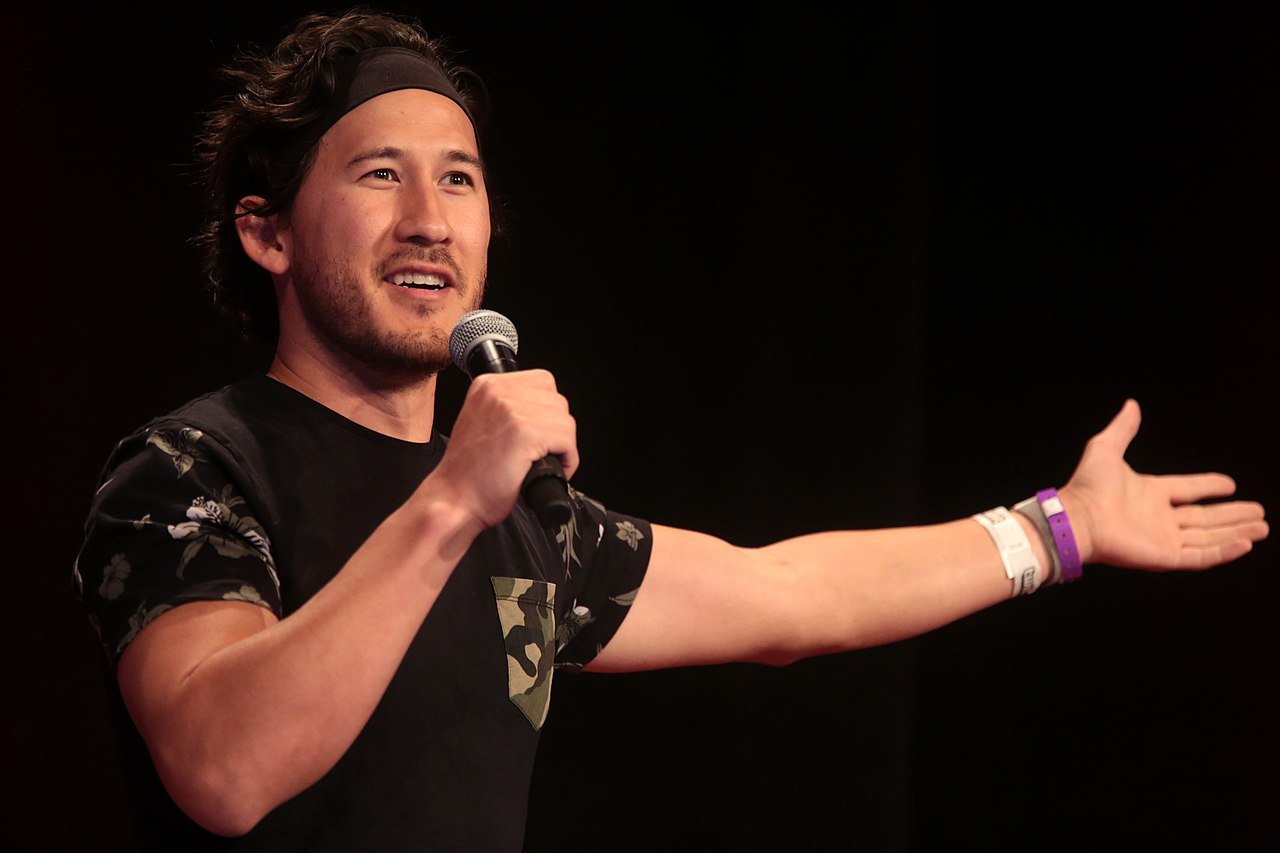
Image: Markiplier speaking at PAX West in Seattle on August 31, 2018. Photo by Gage Skidmore via Wikimedia Commons, licensed under CC BY-SA 2.0. The archival photo does not depict the 2026 GoPro discussions.

.jpg)