
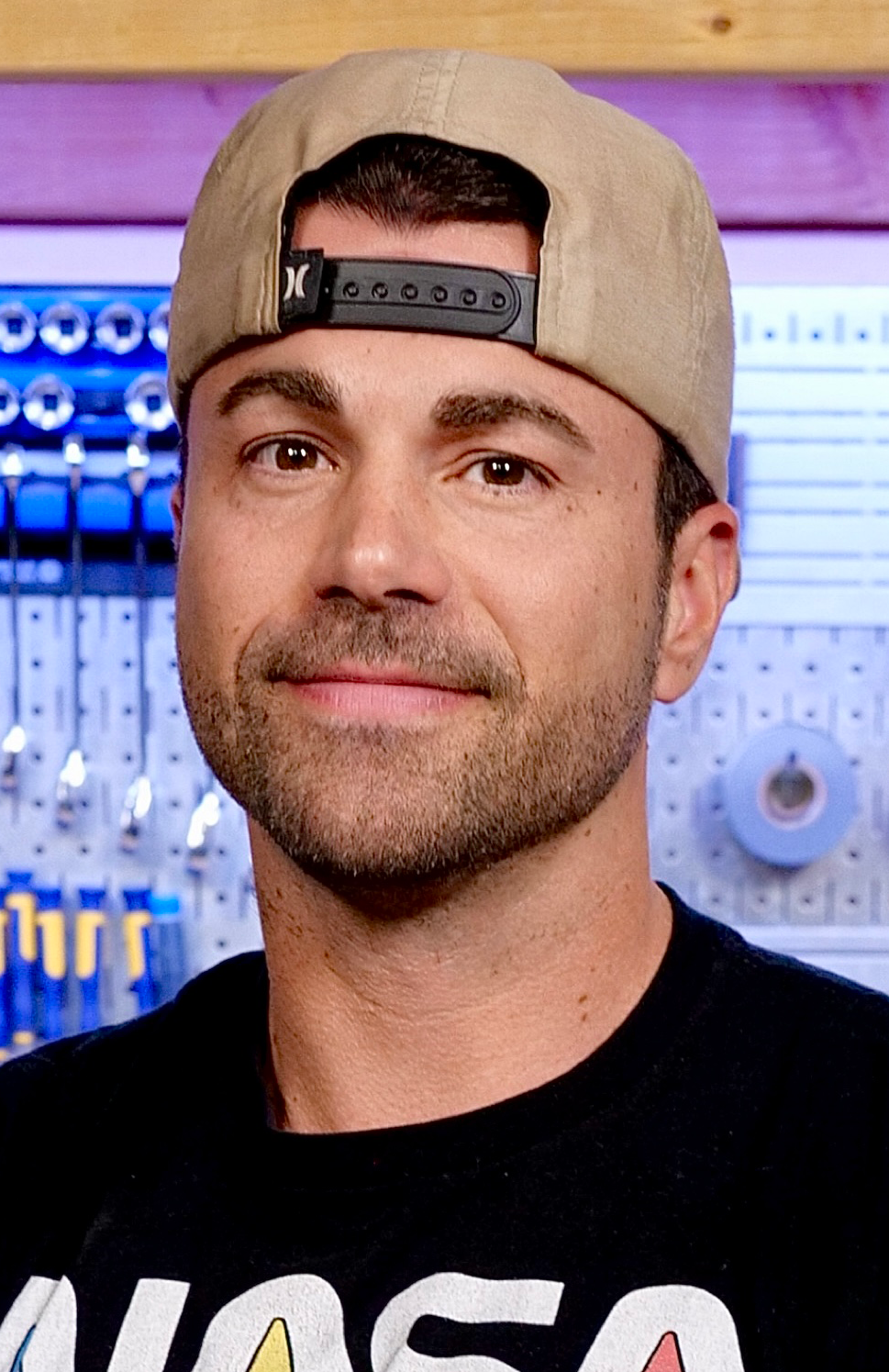
Mark Rober released the first two Class CrunchLabs courses on September 29, 2026, giving middle-school teachers free, classroom-ready lessons built around collisions, magnetic forces and hands-on engineering. The courses are called Carnival of Collisions and Mission Maglev. Both combine YouTube-style videos with teacher resources and practical activities rather than functioning as ordinary entertainment uploads.
What did Mark Rober release?
The September 29 release is the first major public course rollout for Class CrunchLabs, Rober’s free science-curriculum project. According to the official YouTube announcement, each opening course contains dozens of videos plus supporting teaching materials and activities.
Carnival of Collisions uses carnival-style games to explore contact forces and collisions. Mission Maglev examines how magnetic and electric forces can make a train float. The lesson names are playful, but the underlying subjects are standard middle-school physics topics.
The courses are designed for grades 6 through 8. More courses are planned over the coming months, so these two releases should be understood as the beginning of the curriculum rather than the complete program.
Watch the official Carnival of Collisions course
If the embedded playlist does not load, watch Carnival of Collisions directly on YouTube. The second official course is available in the Mission Maglev playlist.
Is Class CrunchLabs really free?
Yes. The classroom curriculum is presented as free for teachers and schools. That is separate from CrunchLabs’ commercial subscription boxes and kits.
Rober said at TED2026 that approximately $60 million had been invested in developing the curriculum. Independent reporting by Good Good Good described the program as including videos, ready-to-teach slide decks, demonstrations using ordinary classroom materials and teacher support.
“Free” does not mean every activity requires no preparation. Teachers will still need to review lesson plans, gather basic supplies and decide how the material fits their schedules. But Rober told YouTube that the practical builds are intentionally designed around inexpensive objects schools may already have, including cardstock, straws, binder clips and bottle caps.
Who can use the courses?
The first two courses target grades 6–8 and are intended for classroom use. Teachers can access the materials through ClassCrunchLabs.org, while students and families can watch the public videos on YouTube.
The exact availability of every teacher resource may vary by location or account requirements. The videos themselves are public, but educators should check the official curriculum site for current access instructions, standards documentation and downloadable materials.
The courses are built around U.S. science standards. That does not prevent teachers elsewhere from using the experiments, but schools outside the United States may need to map lessons to their own curricula.
What makes the program different from regular YouTube videos?
Rober’s main channel typically starts with a large challenge, invention or spectacle and uses it to explain engineering. Class CrunchLabs adapts that attention-first style into a sequence that teachers can use over multiple lessons.
The videos are only one layer. The program pairs them with guided discussion, slide decks and physical activities. Rober has described the approach as making students feel the scientific idea before asking them to memorize it.
That emphasis also fits his public argument that children should see experiments fail. Our earlier report on why Mark Rober shows failed attempts in his videos explains how he uses mistakes to teach persistence rather than presenting engineering as a perfect first try.
How large will Class CrunchLabs become?
The announced ambition is substantial. YouTube says the completed program is expected to include more than 1,000 videos in 34 languages. Additional courses are being developed with creators including ElectroBOOM and How Ridiculous, alongside organizations such as the National Science Teaching Association and NASA.
CrunchLabs also says it wants the curriculum in 70% of U.S. classrooms by 2030. That is a goal, not a current adoption figure. No independent data yet shows that the program has reached that share of schools.
The scale claims should therefore be separated into three categories: two courses are now publicly available; more lessons and translations are planned; the 70% classroom figure is a future target.
What should teachers check before using it?
Teachers should begin with the official course page, review the standards alignment and inspect the materials list before scheduling an activity. They should also confirm that any external video access is allowed by their school network.
Because the courses are new, educators may want to test individual lessons before adopting a full unit. The most useful evidence will come from classroom results over time: whether students understand the concepts, whether the activities work with ordinary budgets and whether teachers can fit the program into existing requirements.
For now, the practical answer is clear: Mark Rober’s first Class CrunchLabs courses are available, they are free to use, and they turn two physics topics—collisions and magnetic levitation—into complete classroom experiences rather than standalone viral videos.
Sources
- YouTube Official Blog: Mark Rober’s mission to support science classrooms, September 29, 2026
- Class CrunchLabs official curriculum website
- Good Good Good: independent reporting on the curriculum and funding
- TED: Mark Rober’s $60 million science experiment
- Wikimedia Commons featured-image source and CC BY-SA 4.0 licence
.png)