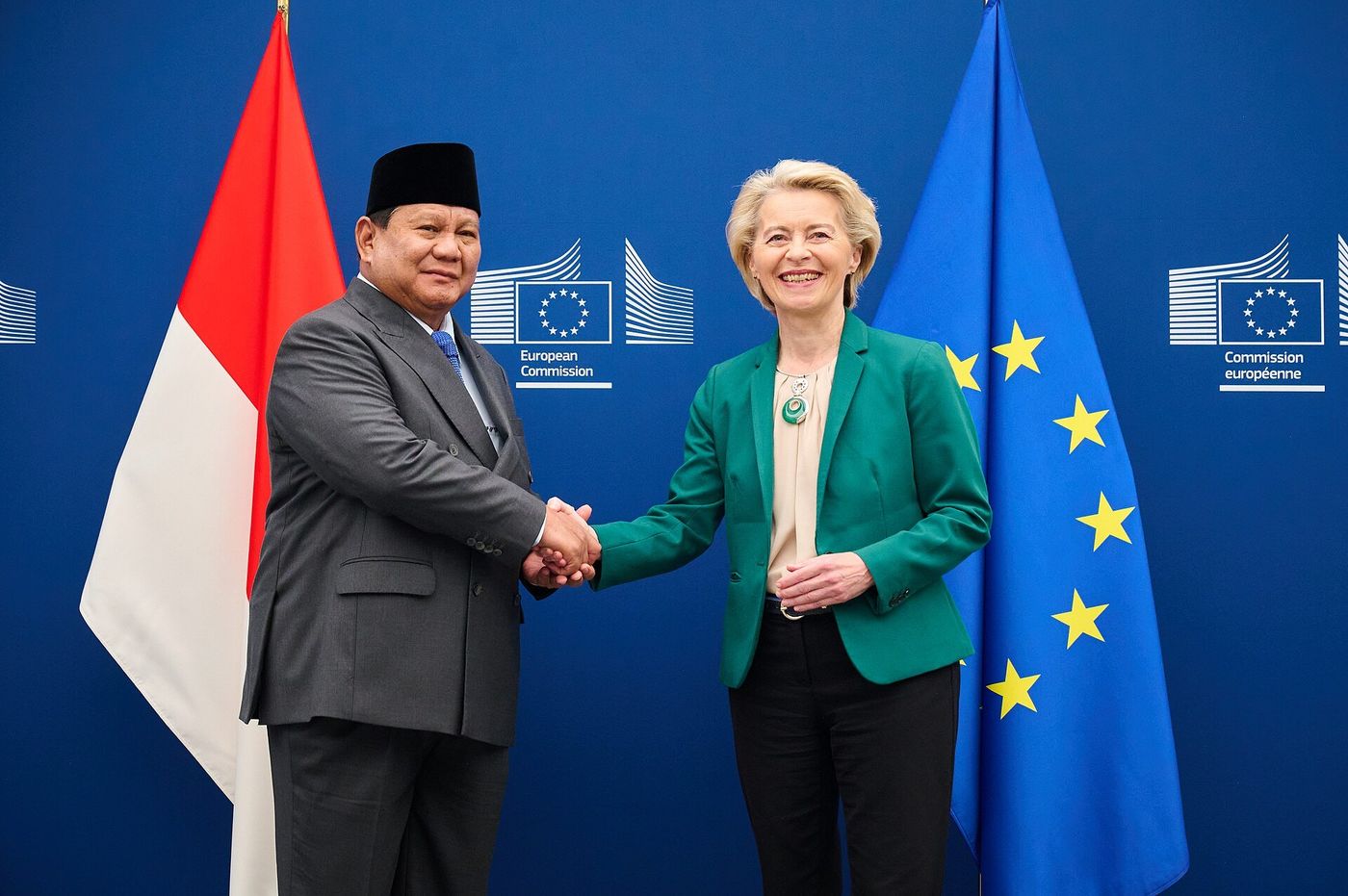
The ceremony in Brussels on Saturday closed a negotiation that began in July 2016. It also started a much shorter clock. The EU-Indonesia trade deal signed on November 21 does nothing yet for a single shipment. Meanwhile, on January 1, 2027, Indonesia leaves the European Union’s Generalised Scheme of Preferences (GSP), a one-way programme that has trimmed duties on many of its exports for years. That leaves about 40 days for the European Parliament to give its consent and for both governments to switch the agreement on.
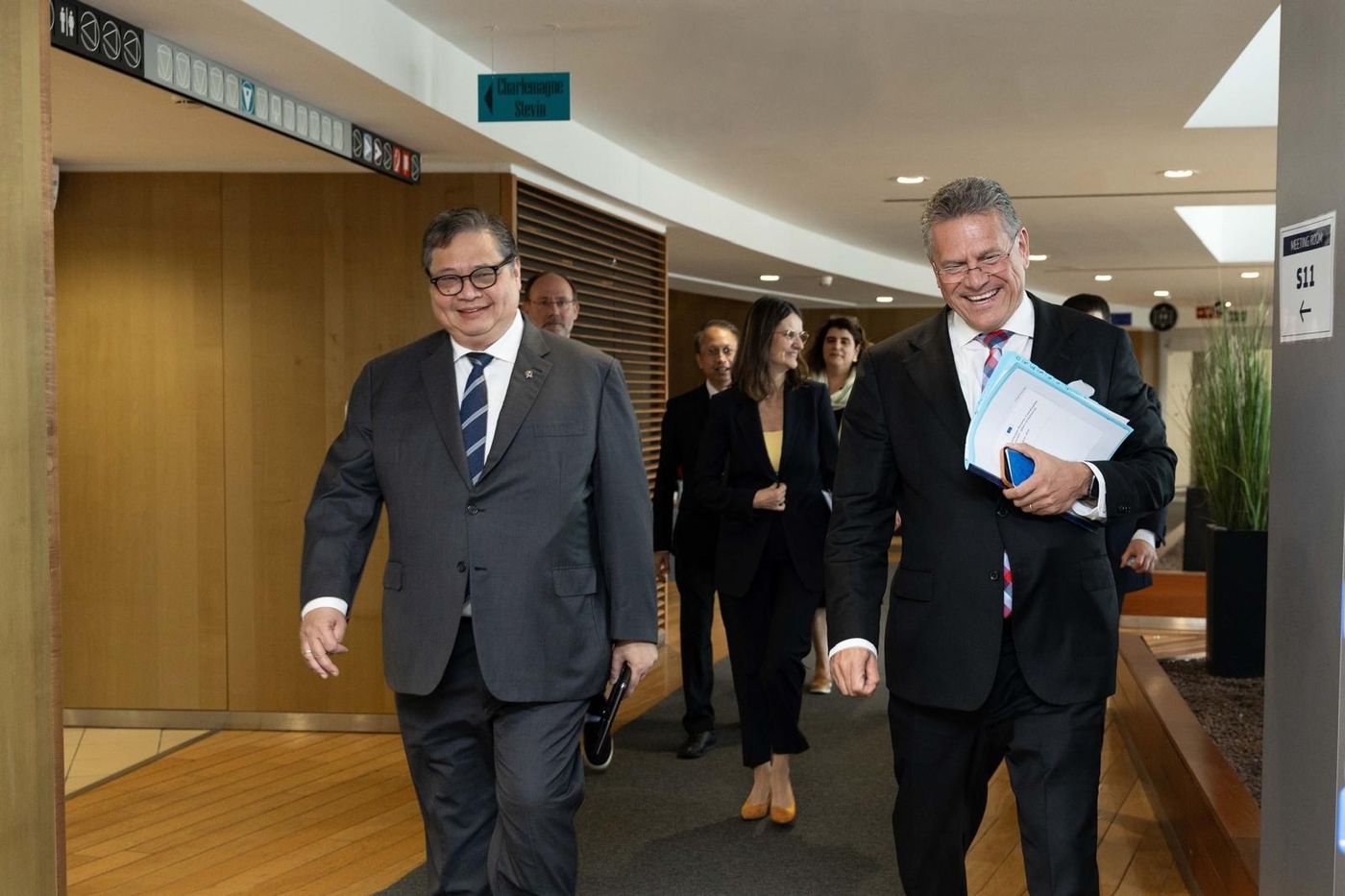
European Commission President Ursula von der Leyen called it “one of the most ambitious deals the European Union has concluded in Asia,” according to CNA. Indonesia’s coordinating economic minister, Airlangga Hartarto, attended the ceremony. So did EU trade chief Maroš Šefčovič and Indonesian trade minister Budi Santoso. The headline numbers are large. The harder question is who carries the risk if those 40 days are not enough.
Why January 1 matters more than the signing ceremony
The Council of the EU authorised both signature and provisional application on November 18. Its press release tied the urgency directly to Indonesia’s “upcoming graduation” from the GSP on January 1. However, provisional application only begins once each side tells the other that its internal procedures are complete. Parliament’s consent is still needed before the Council can conclude the agreements.
Brussels has already taken shortcuts to get here. Agence Europe reported that member states agreed a fast-track route. They chose to sign in the negotiating language rather than wait for translations into every official EU language. France won a concession that makes French an authentic text. Parliament, the report said, is due to vote at its December plenary. In Jakarta, the government has signalled it will ratify by presidential regulation instead of a full law. That is the quicker of its two options, according to a fact sheet from the Sweden Chamber of Commerce Indonesia.
If any of those steps slips past New Year’s Eve, Indonesian goods pay the EU’s standard duties until the deal applies. That gap would not be shared evenly.
What the EU-Indonesia trade deal changes on day one
Most coverage leads with the figure of 98.5%. That number describes Indonesia’s commitment on European goods, not the reverse. The Commission’s chapter-by-chapter summary says 80% of tariff lines are freed at entry into force. After five years, the cuts cover 96% of trade. Machinery, pharmaceuticals and chemicals go mostly duty-free on the first day, as do most dairy and meat products. Some processed foods follow after short staging.
The European side opens too, but differently. Airlangga has put the EU’s offer at 90.4% of tariff lines at zero from the start. The EU keeps rice, sugar and ethanol out entirely, and other sensitive farm goods get tariff-rate quotas. In other words, both sides front-load the easy lines and keep a few politically delicate ones.
The money flows explain why Jakarta is in more of a hurry. In 2025 the EU imported €18.7 billion of Indonesian goods and exported €10.2 billion. Those are Commission figures, as Euronews reported. Europe sells less to Indonesia than it buys, so a delay costs Indonesian exporters more than it costs European ones.
The exporters most exposed to a gap
The Commission’s own modelling, as cited by the Swedish chamber, puts the largest gains for Indonesian exporters in clothing (€780 million), leather (€652 million) and vegetable oils (€512 million). Those are price-sensitive, thin-margin businesses where buyers in Europe can switch suppliers between seasons. As a result, a factory in West Java that loses its GSP rate for even one quarter could lose orders to Vietnam. That country has had its own EU trade agreement in force since 2020.
European importers face a mirror-image problem. A retailer that priced spring 2027 shoes on preferential rates would have to absorb the difference or pass it on. The chamber’s advice to its members is blunt: confirm the duty position for the first quarter of 2027 rather than assume continuity.
Palm oil gets a quota, not a pass
Palm oil was the issue that stalled these talks for years, and the final text treats it carefully. Airlangga said in August that palm oil would get a one-million-tonne zero-tariff quota, bne IntelliNews reported. Even so, the deal’s palm oil protocol only creates a dialogue platform. It does not lift Europe’s plan to phase palm oil out of transport fuel by 2030, nor its anti-subsidy duties on Indonesian biodiesel.
The bigger constraint lands on December 30. That is when the EU Deforestation Regulation starts applying to large and medium operators, according to the European Commission. Most micro and small firms follow on June 30, 2027. Importers of palm oil, rubber, coffee, cocoa and wood must show their goods are not linked to land cleared after December 31, 2020. The EU-Indonesia trade deal does not change that test. For some palm oil buyers, then, the paperwork deadline arrives before any tariff saving does.
Where the EU-Indonesia trade deal leaves European carmakers
For European manufacturers, the prize is cars. Indonesian duties on vehicles run as high as 50%, and the agreement removes them mostly over five years rather than overnight. That staging means a delay of a few weeks barely moves the maths for European brands. Their real gains build up toward 2031.
The automotive annex may matter sooner. Indonesia will accept EU vehicles carrying recognised UN type-approval certificates without extra testing. It also commits to basing new rules on UNECE regulations by 2033 at the latest. Electric vehicles and advanced driver systems often have no matching Indonesian standard, so skipping duplicate tests can cut months from a launch. The Council expects the full package to save European exporters about €600 million a year in duties once it is implemented.
There is a broader reason Brussels pushed. Indonesia’s pact with Canada takes effect on December 1. Officials also said President Prabowo Subianto would use the APEC summit in Shenzhen to open talks on a bilateral pact with China. Europe is one of several partners competing for the same 280 million consumers. Asian governments are bargaining sector by sector with several partners at once, as Seoul’s recent deal with Beijing over dramas and games showed.
Four dates that decide whether the EU-Indonesia trade deal lands on time
The calendar is now the story. These are the checkpoints that will show whether the cliff is avoided:
- December 11: Prabowo is due in Brussels, according to von der Leyen, a natural moment for political pressure on the remaining steps.
- The December plenary: Parliament’s consent vote is the one step Brussels cannot fast-track.
- December 30: the deforestation rules start for large and medium operators, whatever happens to tariffs.
- January 1, 2027: GSP preferences end. Only a mutual notification of completed procedures before then avoids a gap.
Climate rules now sit on top of commercial decisions in more places than trade, as Norway’s courts showed with their shelf-wide climate test for new oil fields. The EU-Indonesia trade deal is a similar case. The Paris Agreement is written in as an essential element, and forest commitments shaped the palm oil chapter. Those themes also ran through the climate talks in Antalya.
Still, the immediate test is procedural. If Parliament votes in December and both capitals send their notifications in time, Indonesian exporters move straight from one preference to a better one. If not, early 2027 will show how quickly European buyers redirect orders when duties return.