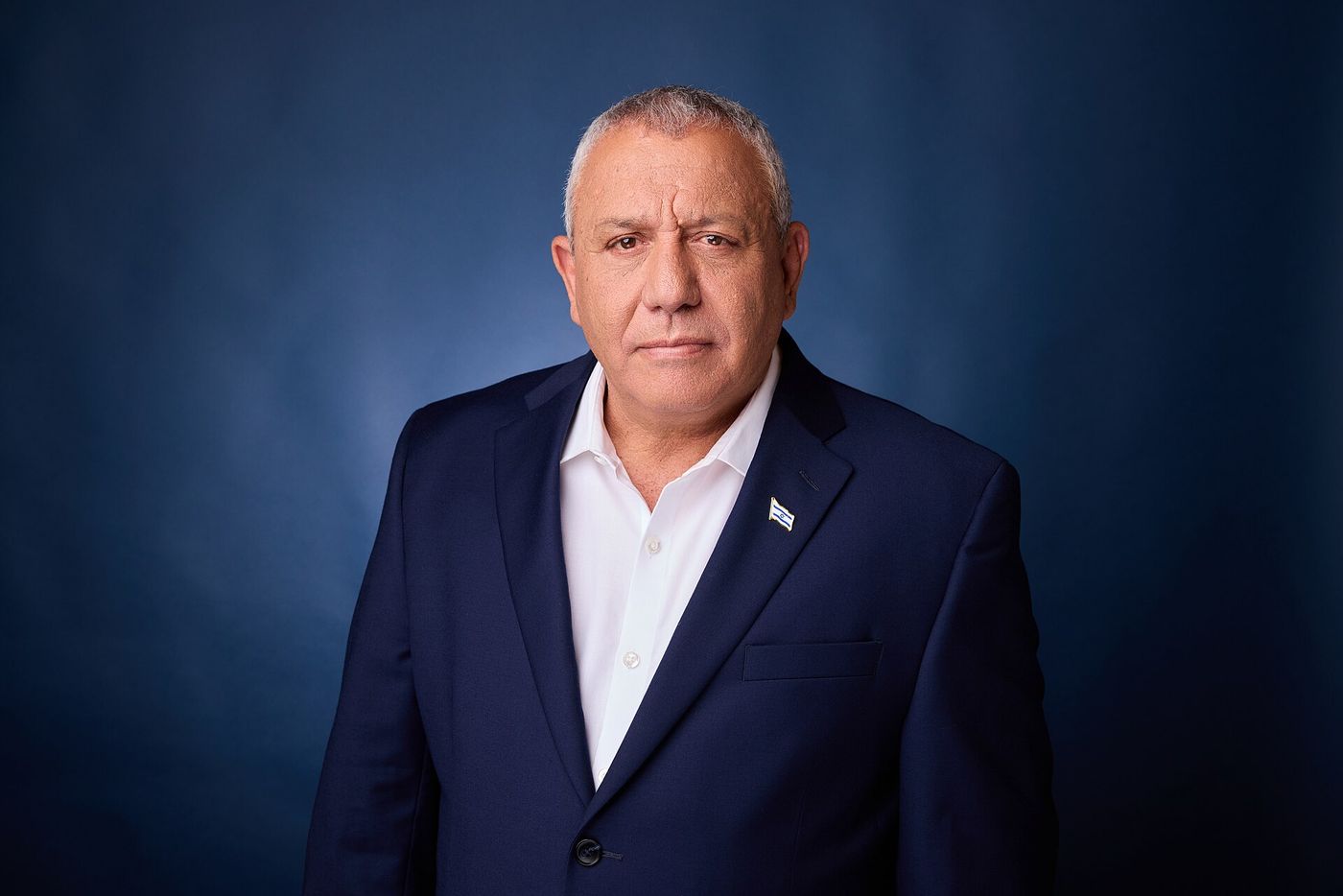
Gadi Eisenkot left the President’s Residence on Sunday with the most recommendations any candidate has received since 2015, his party noted. Yet the Eisenkot coalition he now has to build starts with only 48 seats. Representatives of 67 lawmakers recommended him to President Isaac Herzog, against 46 for Benjamin Netanyahu. However, a recommendation is not a vote of confidence. The next four weeks of Israeli politics will be decided in the gap between those two numbers.
Under the Basic Law on the government, Eisenkot has 28 days from receiving the mandate, with a possible 14-day extension, according to The Jerusalem Post’s account of the ceremony. Counting from November 8, that puts the first deadline on December 6 and the outer limit on December 20. Meanwhile, the 26th Knesset is sworn in today, Tuesday, November 10, at 4 p.m. Jerusalem time.
Below is the seat arithmetic behind each realistic path to an Eisenkot coalition, based on the October 27 election results. For each one, we note the party that can close the door.
Why 67 recommendations are not 67 votes
The 67 figure combines two groups that have never governed together. The first is the four-party Jewish-led opposition: Yashar (21 seats), Naftali Bennett’s B’Yachad (12), Yair Golan’s Democrats (8) and Avigdor Liberman’s Yisrael Beytenu (7). That totals 48. The second is the pair of Arab-led parties, the Joint List (11) and Ra’am (8), which together won a record 19 seats.
On the other side, Likud remains the largest single party with 27 seats. Its bloc of Otzma Yehudit (7), Religious Zionism-Zehut (6), Shas (6) and United Torah Judaism (7) reaches 53. UTJ declined to recommend anyone, so Netanyahu’s count stopped at 46. As The Times of Israel reported, three of the four Jewish-led opposition parties have so far refused to partner with the Arab parties.
So the real starting point for any Eisenkot coalition is 48 seats, 13 short of a majority. Every route below tries to cover those 13 seats. Some add partners; others change who votes against.
Route one: an Eisenkot coalition with both haredi parties
Adding UTJ’s seven seats and Shas’s six to the 48 produces exactly 61, the bare minimum in a 120-member chamber. It would also leave every single lawmaker with a veto, because the loss of one vote would erase the majority.
Even so, this is the route the bloc chose to try first. Eisenkot and Liberman met on Monday. They agreed to “exhaust all avenues of negotiation with the ultra-Orthodox parties” before considering an alternative, according to a Channel 13 report cited by Anadolu Agency. Talks with UTJ have reportedly begun. Shas, by contrast, recommended Netanyahu last week, so its six seats are the harder half of the sum.
The draft-exemption price tag
The obstacle is military conscription. Channel 12 reported that the haredi parties have set four conditions for backing an Eisenkot-led government. First, a temporary order suspending the drafting of ultra-Orthodox men. Second, no arrests of draft evaders while it is in force. Third, no penalties during that period. Finally, legal sign-off from the government’s legal adviser and from the adviser to a key Knesset committee.
That collides with Eisenkot’s own conditions for partners, which include mandatory military, national or civilian service for all citizens. Liberman campaigned against exemptions. Now he says he is ready for “painful compromises” and offers his 2018 conscription bill as a basis. Still, he insists that a willingness to compromise “does not mean giving up values and principles.” Meanwhile, UTJ lawmaker Porush has said the party will not join any government without a solution for yeshiva students.
A smaller Eisenkot coalition is also possible. If UTJ alone joined, the bloc would reach 55. In that case, the remaining opposition (Likud, Otzma, Religious Zionism and Shas) would total 46. As a result, the government could win a confidence vote if the Arab parties merely abstained.
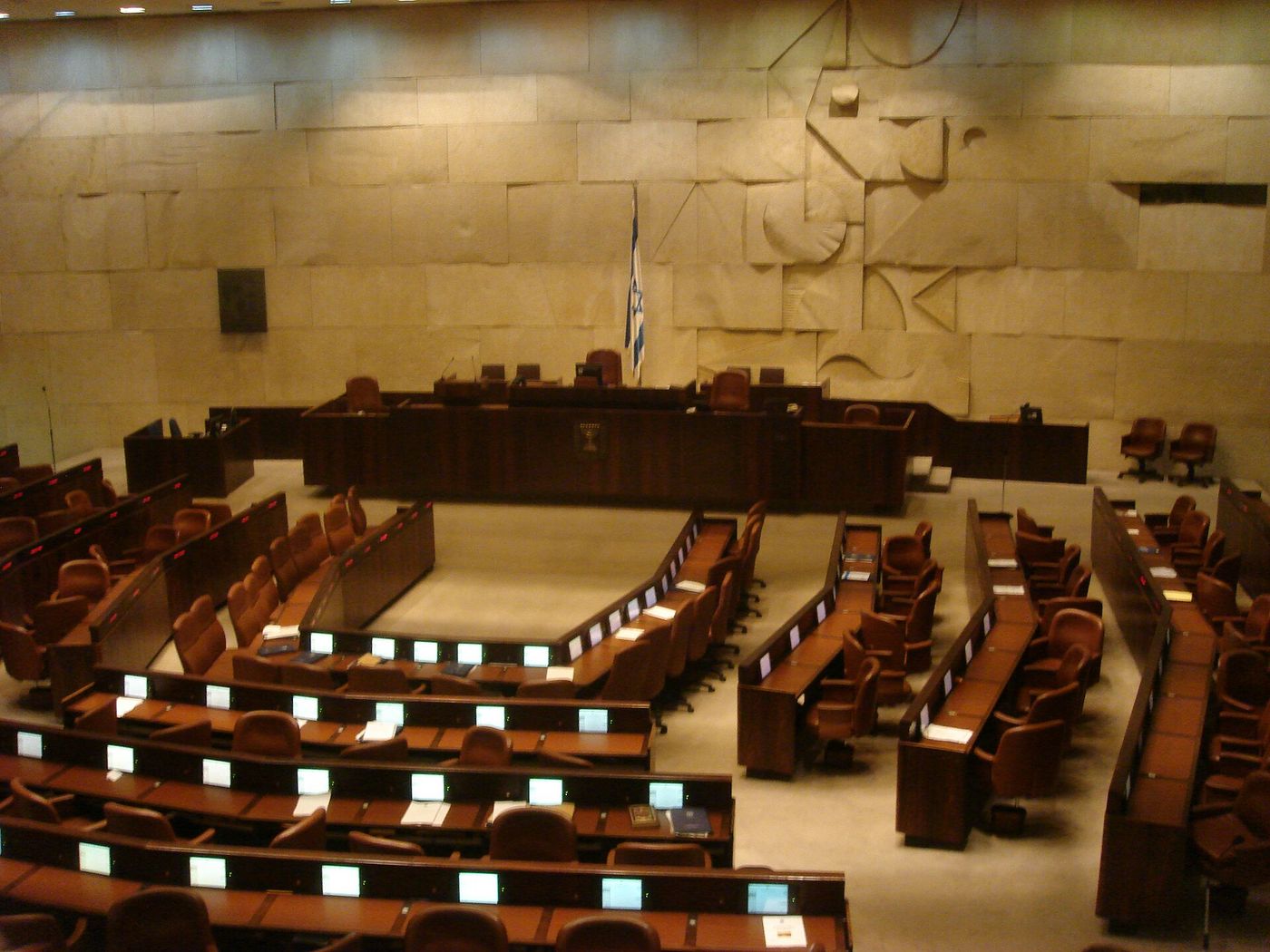
Route two: a minority Eisenkot coalition and the Liberman veto
Israeli law does not require 61 votes to swear in a government. Instead, it requires winning a confidence vote, and a simple majority of those voting is enough. The precedent is recent. In June 2021, the Bennett-Lapid government won its confidence vote 60 to 59, with one Ra’am lawmaker abstaining.
On paper, therefore, a 48-seat minority government with the Arab parties supporting it from outside would command 67 votes. Golan has openly called for a coalition with the Arab parties. The problem is that Liberman is inside the 48. He will not support a government whose survival depends on Ra’am and the Joint List. He has even threatened to vote against one.
Yashar, B’Yachad and the Democrats hold 41 seats. Even if all 19 Arab-party lawmakers voted in favor, that makes 60. On the other side, Netanyahu’s full 53-seat bloc plus Yisrael Beytenu’s seven also makes 60. A 60-60 tie is not a majority, so the vote would fail. Consequently, the minority route needs Liberman to abstain rather than oppose. Otherwise, some UTJ lawmakers would have to stay out of the vote.
Liberman explained his reasoning to Ynet. “Anyone in our camp who talks about a minority government is crowning Netanyahu within six months for another four-year term with at least 70 seats,” he said. Some of his allies suspect a different motive. In their view, he is positioning himself for a later stage of the process. Liberman denies this, calling the premiership “an option, not an obsession.”
Route three: Netanyahu’s unity offer
Netanyahu has answered the mandate with a counteroffer. On Monday, he called on every Zionist opposition party to join a unity government. He added that the leader of the largest party should head it. Eisenkot, for his part, has invited Likud and Religious Zionism to back a government under his leadership. If they truly want unity, he argued, they should join him.
Arithmetically, this route is the easiest, and it would sideline the Eisenkot coalition entirely. For instance, Netanyahu’s 53 plus Bennett’s 12 would produce 65 seats. Politically, though, it would require one of the parties that campaigned to replace Netanyahu to keep him in office. None has signaled it will. Moreover, The Jerusalem Post quoted Likud officials who privately sound resigned to one scenario. If UTJ secures an acceptable draft arrangement from Eisenkot, “all that remains is to put our trust in God.”
The calendar if the Eisenkot coalition stalls
The law sets out the fallback in fixed steps. Suppose Eisenkot fails, gives up, or loses a confidence vote. The president then has three days to pick a second candidate or tell the speaker that no one can govern. A second candidate gets 28 days with no extension. Next comes a 21-day window in which 61 lawmakers can jointly nominate a member. That person then has 14 days. If all of that fails, the Knesset dissolves and the country returns to the polls.
Adding those periods together shows how long this could run. Say the Eisenkot coalition talks use the full 42 days and every later stage runs to its limit. Then the process would not end until around late February 2027. Throughout, Netanyahu remains prime minister of a caretaker government.
The 61-signature stage is the one Liberman’s critics are watching. In that scenario, a candidate who can gather 61 names, potentially including the haredi parties, could bypass both Eisenkot and Netanyahu. Prolonged deadlock has happened before: Israel held five elections between 2019 and 2022. Hard deadlines can also force late compromises, as our look at how Belgium’s budget standoff could end showed.
Three early signals from the Knesset this week
The first test comes before any coalition deal. Eisenkot’s party asked the haredi parties to help replace Knesset Speaker Amir Ohana, a Likud member, on inauguration day. UTJ chairman Yakov Asher said his party would not support that move before a new government is formed.
The second signal is timing. Even if an Eisenkot coalition deal came together quickly, he does not intend to swear in a government this week, according to Ynet. Therefore, treat any early “done deal” reports with caution.
The third is the regional backdrop. Israel is negotiating at home during the wider Iran conflict. That includes the attacks on Gulf energy sites we covered in our report on the Ras Tanura refinery attack claim. That conflict keeps security at the center of every partner’s demands. It is also why Eisenkot pitches a “national emergency government.”
For readers tracking the outcome, the useful number is not 67 but 61, and the useful date is December 6. Until UTJ, Shas or Liberman moves, the Eisenkot coalition remains a mandate in search of a majority.