
DeStorm Power says creator backlash will not stop him from using artificial intelligence, but his argument is not a free pass for opaque or derivative videos. At AI Creator Day in Los Angeles on September 29, 2026, the veteran YouTube creator framed adaptation as necessary for staying relevant. For creators, the practical takeaway is more demanding: use AI with a clear editorial purpose, disclose realistic synthetic material when required, and make sure the finished work is genuinely original.
What DeStorm Power said at AI Creator Day
Power appeared during the inaugural AI Creator Day, an event organized by TheWrap and What’s Trending at UCLA. In TheWrap’s September 30 event recap, he argued that creators who refuse to evolve risk disappearing from the conversation. He also compared today’s fear of AI with the skepticism that surrounded YouTube in its early years.
Business Insider reported on October 3 that Power is receiving dismissive comments about AI-made work and is focusing instead on viewers who enjoy it. That explains his position, but it does not establish that AI content performs better, that criticism is always uninformed, or that audiences no longer care how a video was made.
“AI creator” and “low-quality content” are not the same label
The most useful distinction is between the tool and the result. Generative AI can help with storyboarding, dubbing, visual effects or rough concepts. None of those uses automatically makes a video deceptive or low quality. At the same time, polished output does not erase questions about consent, rights, factual accuracy or whether a creator contributed meaningful judgment.
That is why the debate around DeStorm Power’s AI use should not collapse into a simple choice between “pro-AI” and “anti-AI.” The harder test is whether the creator can explain what the tool did, what the human author contributed and why the result deserves an audience.
What YouTube requires creators to disclose
YouTube treats disclosure as a separate issue from whether viewers like the creative choice. Its current AI-content disclosure update says the platform may add prominent labels when content is created with YouTube’s own generative tools, when verified C2PA metadata identifies fully AI-generated material, or after a Trust and Safety review. Those labels are not always removable by the uploader.
Creators should therefore review a video before upload and ask a narrow question: could a reasonable viewer mistake a realistic synthetic scene, voice or person for an authentic recording? If the answer is yes, the safer publishing practice is to disclose the alteration clearly and use the platform’s available label. Disclosure should describe what changed without turning the description into marketing copy.
Why originality is a different test
YouTube’s October 1 guidance on prioritizing original Shorts addresses another problem. The platform said it is reducing the reach of primarily aggregated or re-uploaded clips that lack meaningful additions, while favoring original commentary, editing and storytelling.
An AI disclosure does not make a copied format original. Conversely, original work can still require an AI label. A creator may satisfy one test and fail the other. This distinction also matters beyond YouTube: Instagram is building more AI assistance into its editing workflow, as explained in our guide to the Instagram Edits AI assistant, but access to a tool is not evidence that every output will be valuable or transparent.
A practical pre-publish check for AI-assisted video
- Identify the human contribution. The concept, reporting, performance or edit should add something viewers cannot get from a prompt alone.
- Check disclosure. Label realistic synthetic people, voices or events when viewers could reasonably be misled.
- Verify rights and consent. A tool’s output does not automatically clear the source material, music, likenesses or voices used to make it.
- Review factual claims. Generated scripts, captions and visuals can introduce confident errors that still belong to the publisher.
- Test the audience promise. The title and thumbnail should accurately describe the finished video, including any material AI-driven premise.
What remains uncertain
Power’s comments show how one established creator is responding to the cultural backlash around AI. They do not prove that audiences will accept every synthetic format, that platforms will treat all AI-assisted videos alike, or that the rules will remain static. YouTube’s disclosure and originality updates point in the opposite direction: creators have more tools, but also more responsibility to explain and differentiate their work.
The strongest reading of DeStorm Power’s position is not “AI wins.” It is that creators cannot ignore a changing production environment. The quality question still comes afterward—and viewers, platforms and rights holders all get a vote.
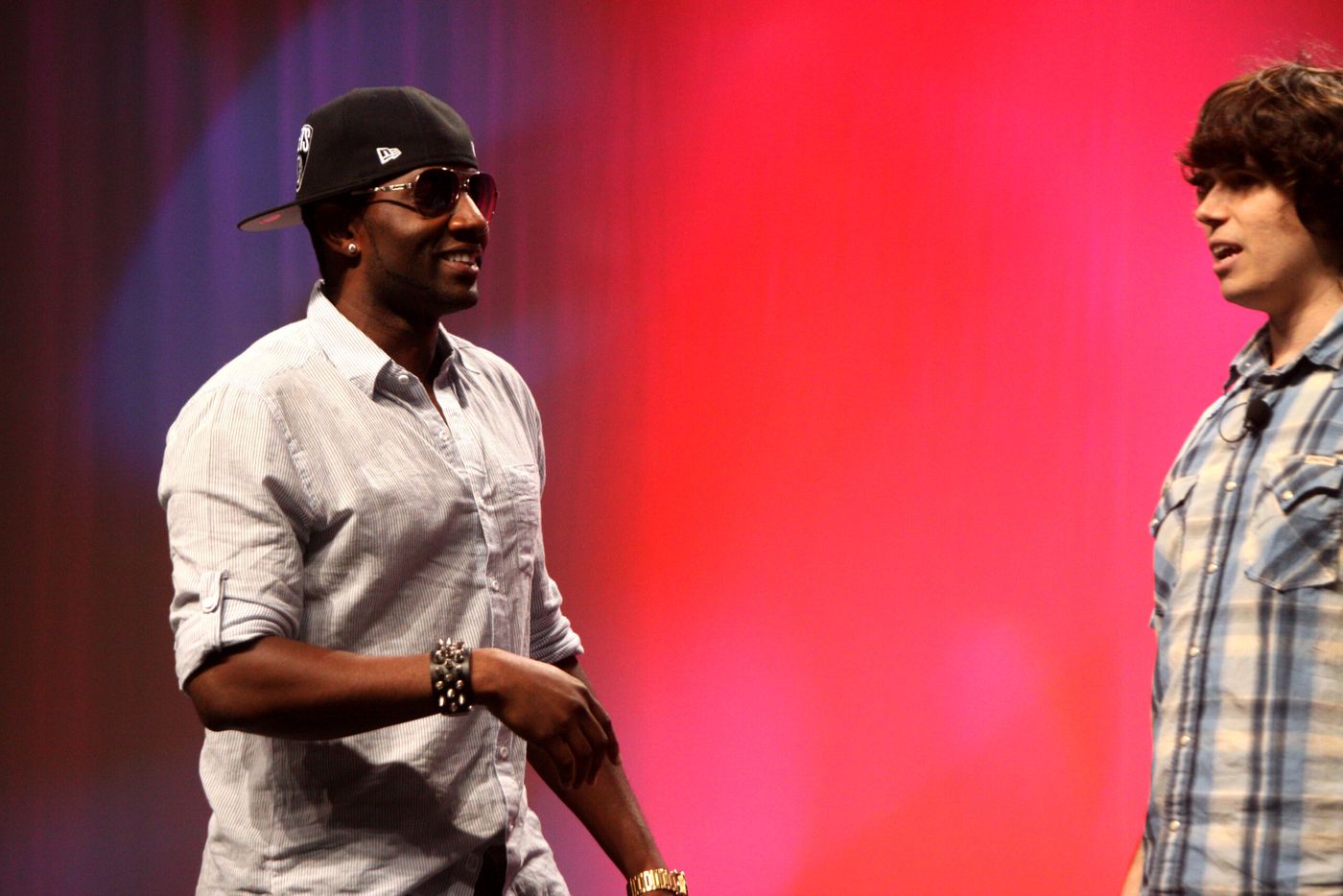
Featured image: Archival photograph of DeStorm Power speaking at VidCon in Anaheim on June 29, 2012; it was not taken at AI Creator Day. Photo by Gage Skidmore via Wikimedia Commons, licensed under CC BY-SA 2.0. Resized.
.jpg)