Sweden’s 2026 parliamentary election remained undecided on Monday after a preliminary count gave the centre-left opposition a one-seat advantage. At the latest widely reported snapshot, the bloc led by former prime minister Magdalena Andersson was projected to take 175 of the Riksdag’s 349 seats, against 174 for Prime Minister Ulf Kristersson’s governing side. The margin can still change when remaining early and overseas ballots are included, so this is not a final result.
At a glance
- The preliminary allocation reported early on September 14 was 175 seats for the centre-left bloc and 174 for the governing bloc.
- Sweden’s Election Authority is continuing the count; definitive results were not expected before Wednesday.
- Even a final one-seat edge would begin coalition negotiations, not automatically install a government.
What do the Sweden election preliminary results show?
The Swedish Election Authority directs voters to its live 2026 count and makes clear that election-night figures are preliminary. Associated Press reporting said that with about 92% of votes counted, the opposition parties were projected on 175 seats and the parties backing Kristersson on 174.
Reuters reported the same one-seat projection at an earlier point in the count. Those snapshots should not be read as a certified national result: late-counted ballots can alter both vote shares and the distribution of Sweden’s adjustment seats.
The distinction matters because 175 is the minimum number of seats needed for an outright majority in the 349-member Riksdag. A movement of a single seat would therefore change the arithmetic and could reshape which leader gets the first realistic path to governing.
Why is the outcome still uncertain?
Sweden uses proportional representation, with constituency seats and national adjustment seats designed to make the final parliament reflect the nationwide vote. That system means small changes near party thresholds, or in the balance among parties, can affect the last seats awarded.
Election-night counting gives the public a strong indication, but the official process continues after polling day. Ballots cast early but delivered late, including votes from abroad, are added before county administrative boards complete the final count. AP said final results were not expected until Wednesday, September 16.
That is why neither Andersson nor Kristersson declared victory during the initial count. Responsible coverage should describe a preliminary lead, not a completed transfer of power.
Who can form Sweden’s next government?
The largest bloc does not necessarily form a government automatically. Sweden’s speaker consults party leaders and proposes a prime minister, who then faces a vote in parliament. A candidate can take office provided that no absolute majority—175 members—votes against them.
This “negative parliamentarism” can permit a minority government, but only if enough other parties support it or abstain. With eight parties represented in the outgoing Riksdag and disagreements inside both broad camps, negotiations could be more complicated than the headline seat totals suggest.
Andersson’s Social Democrats were again positioned as the largest individual party in preliminary reporting. Kristersson’s Moderates led the incumbent coalition, which since 2022 has depended on support from the Sweden Democrats. The final balance will determine not only which bloc is larger but how much leverage smaller partners have over policy and cabinet posts.
Why it matters
The result will shape the government of a European Union and NATO member during a period of pressure over defence, migration, crime, energy and economic growth. A change of prime minister could alter emphasis and negotiating style, even where Sweden’s main parties share broad commitments to European cooperation and national security.
The narrowness is also the story. A one-seat parliament would make attendance, party discipline and agreements with smaller parties unusually important. It could encourage compromise, but it could also produce a fragile administration vulnerable to defections or disputes over budgets.
What happens next?
The first checkpoint is the completed official count. Readers should follow the Election Authority rather than treating changing projections as final. After results are established, attention moves to the speaker’s consultations and each party’s conditions for supporting—or tolerating—a government.
The Daily Vantage will update this report if the certified allocation changes materially. For more context on international elections and coalition politics, follow our Global Politics coverage and World News.
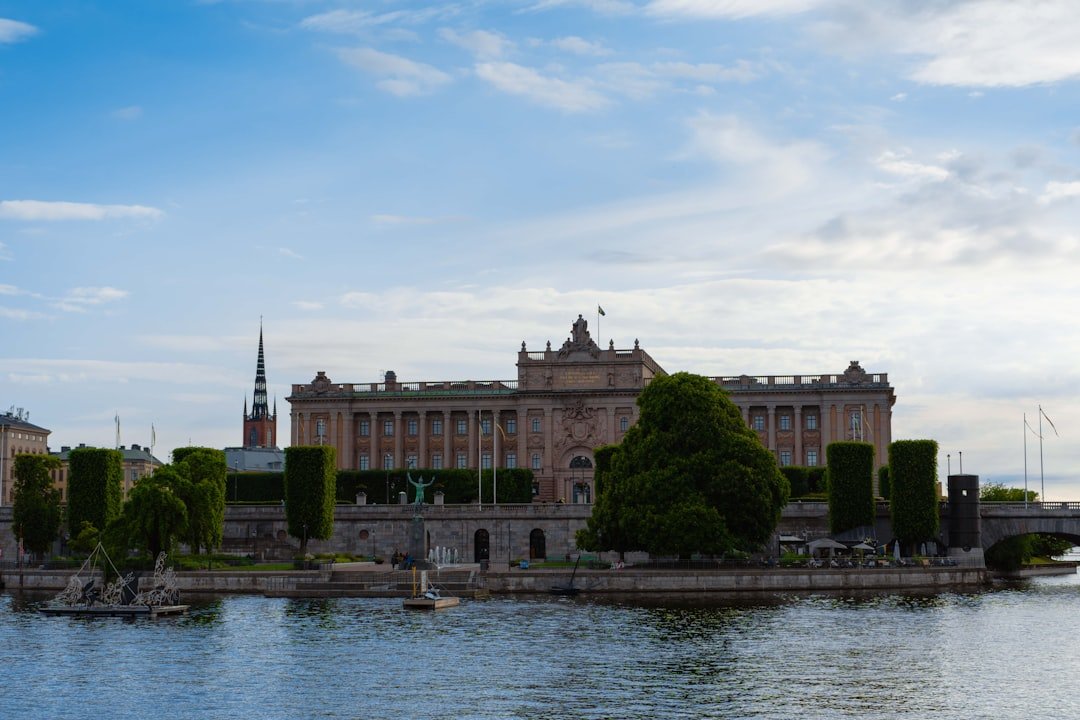
Featured image: Sweden’s Riksdag building in Stockholm. Photo by Andriy Oliynyk on Unsplash.