YouTube Studio AI tools announced on September 23, 2026 are aimed at helping creators review unfinished videos, choose thumbnails and compare different openings. The most practical distinction: YouTube announced a collection of additions and tests, not an overnight rollout of every feature to every channel.
At its Made on YouTube event, the company described new Studio feedback for draft videos, a research destination for ideas, channel-matched thumbnails and a planned test of up to three video cuts. YouTube’s announcement supplies the feature details; Reuters reported the launch on September 23. The usefulness of each tool will depend on its availability and how reliably its suggestions fit an individual creator’s audience.
What do the new YouTube Studio AI tools do?
YouTube says its new Insights and Research destinations are designed to help channels understand previous performance and spot unusually successful videos that might inspire a fresh idea. For creators with a draft, a separate feedback feature is intended to assess pacing, structure and storytelling before publication. That is advice on a work in progress, not a prediction that the finished video will succeed.
The company also announced generated thumbnails matched to a channel’s style. Its dynamic thumbnail feature would recommend the best of three images to different segments of viewers, according to YouTube. The description matters: choosing or testing a thumbnail may improve a creator’s decision process, but YouTube has not promised higher views or a particular click-through rate.
YouTube also says video A/B testing is coming soon. It would let creators compare up to three cuts to see which opening hook performs best. That is different from the existing title and thumbnail experiments: a video cut changes the video itself. TechCrunch’s independent account likewise describes feedback on unpublished videos and the planned cut testing.
How is this different from YouTube’s existing A/B tests?
A creator may already be able to test titles or thumbnail images. YouTube says its existing A/B testing has been used for more than 40 million experiments since the feature officially launched in 2024. The newly announced video test would examine alternative edits of the content rather than only its packaging. This could make the first moments of a video easier to evaluate, although a controlled test still cannot tell creators which idea to make next.
Studio’s broader update also includes a proposed background review of older videos. YouTube says Ask Studio could suggest and test refreshed thumbnails for those videos. That could be useful for evergreen explainers, but the company did not provide a universal release date or guarantee that every channel will receive every capability immediately.
How can creators test YouTube thumbnails today?
Creators who have access to the existing feature can run a title or thumbnail test now without waiting for the new video-cut test. According to YouTube’s current A/B testing instructions, sign in to YouTube Studio on a computer, open a new or existing eligible long-form video’s details, select A/B testing in the title or thumbnail area, choose a title test, thumbnail test or combined test, and submit up to three options. The results appear in the video’s Details or Analytics Reach view.
Advanced features must be enabled. YouTube says the test is unavailable for Shorts, private videos and videos marked Made for Kids or for mature audiences. The platform evaluates the winner primarily by watch time, not click-through rate alone; results can take days and sometimes up to two weeks. If a title or thumbnail is manually changed during the test, the test stops. These instructions describe the existing title and thumbnail feature—not the upcoming test of alternative video edits announced on September 23.
Are the new features available now?
Availability differs by feature. In the September 23 post, YouTube says Studio is adding tools on web and mobile, calls video A/B testing “coming soon,” and describes opt-in AI comment moderation as a test. Creators should check their own YouTube Studio rather than assume all announced controls are already present. The announcement does not give a single global launch date for the whole bundle.
A separate conversational editing assistant is being integrated into Shorts and the YouTube Create app, YouTube says. It is designed to work from a prompt, suggest changes to frame order and trims, and sync music while leaving room for manual editing. That is a creation tool outside the core Studio analytics and feedback updates.
What changes for creator safety and community management?
YouTube also announced an opt-in test of AI-powered comment moderation that can adapt to a channel’s preferences. In the same post, it said speaking-voice detection will begin to be combined with facial likeness detection later in 2026, with mobile access for likeness controls also planned. Those are announced protections and tests; they should not be described as a complete solution to impersonation.
For anyone making a living on the platform, the important question is whether these tools save time without making creative choices feel automated. A draft critique may highlight a slow opening; the creator still needs to decide whether that opening serves the story. Likewise, a thumbnail experiment should inform an accurate title and image, rather than encourage a misleading promise.
What should creators watch next?
Look for a clear rollout notice inside Studio, details on which channels can use video-cut testing, and evidence about how AI recommendations perform in real publishing workflows. YouTube’s September 23 announcement provides the product direction; the dates for individual features still matter more than the event headline.
For another platform issue affecting channels, read our explainer on YouTube copyright strikes for anime reaction creators.
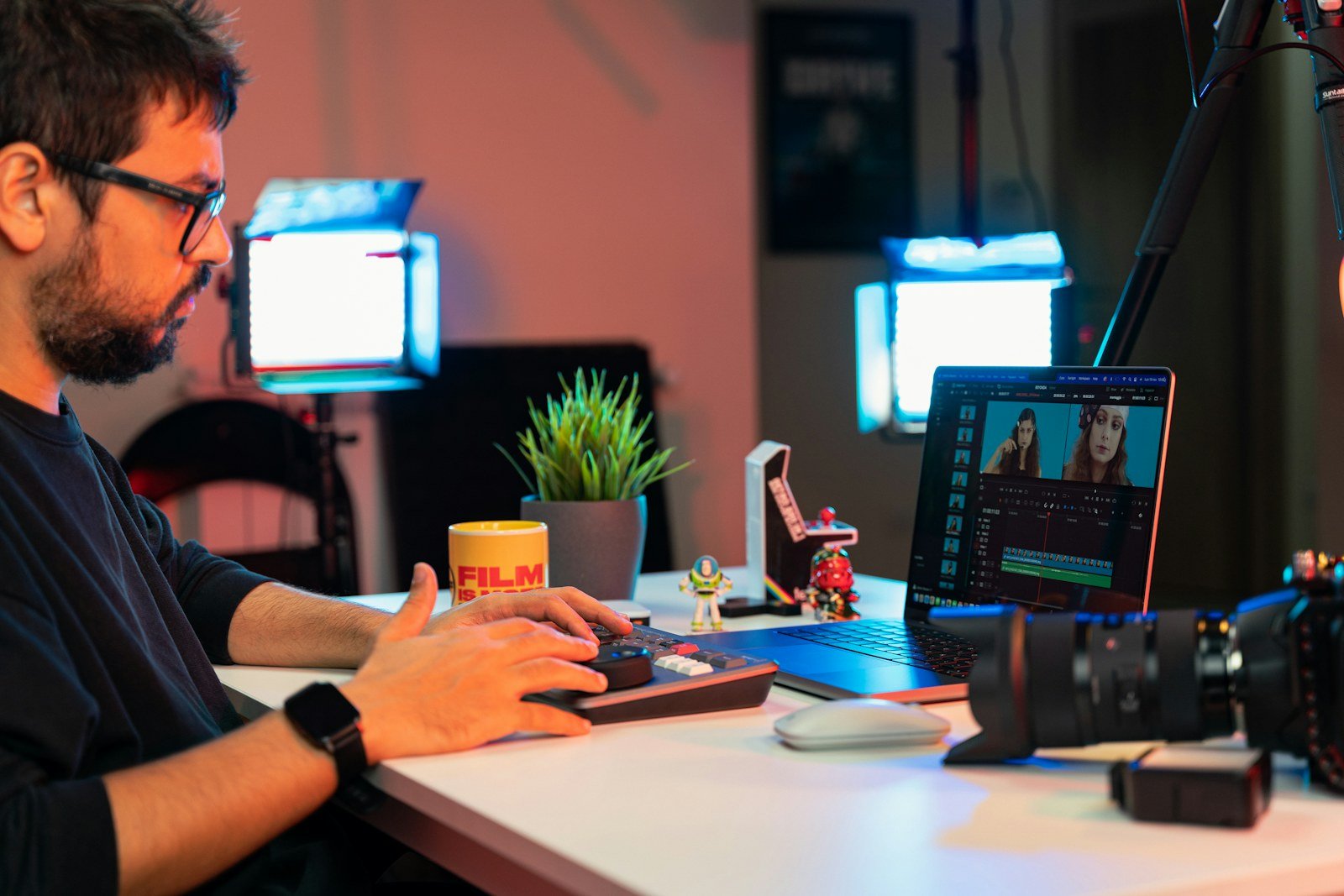
Image: A filmmaker editing video on a laptop. Photo: TheRegisti / Unsplash, Unsplash License. This 2021 file photograph illustrates a creator workflow; the editing software pictured is not YouTube Studio or the announced AI tools.
Sources: YouTube, September 23, 2026; Reuters, September 23, 2026; TechCrunch, September 23, 2026.