Taiwan chip diplomacy moved into sharper focus on Monday, 7 September 2026. Taipei used its flagship semiconductor trade show to seek deeper technology partnerships with the United States and European Union.
Taiwanese officials said the island can help allies build more resilient chip supply chains. Their plan would preserve the manufacturing network that made Taiwan central to the global artificial-intelligence boom. Taiwan chip diplomacy also answers pressure from Washington and Brussels for more semiconductor production on their own soil.
How Taiwan chip diplomacy reaches beyond the island
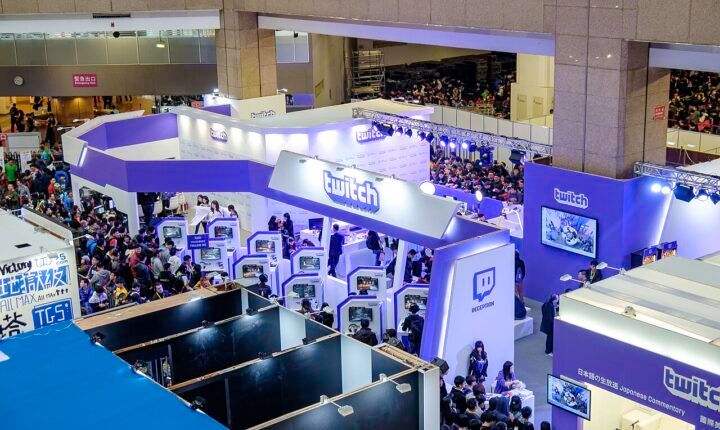
Reuters reported on 7 September that Taiwan presented itself at SEMICON Taiwan as a democratic and dependable technology partner. The official event programme shows that the exhibition and its associated forums ran in Taipei from 31 August through 4 September, with the main show taking place from 2 to 4 September.
President Lai Ching-te said Taiwanese companies were expanding globally so resilience could create shared prosperity, according to Reuters. Taiwan chip diplomacy no longer focuses only on keeping advanced manufacturing at home. It now promotes overseas capacity while keeping Taiwanese companies and expertise at the centre of the network.
Young Liu, chairman of Foxconn, described the change as making products “with Taiwan” in the markets where customers are located. Tien Wu, chief operating officer of chip packaging and testing company ASE, also acknowledged the political pressure to spread production more widely, Reuters reported.
US investment shapes Taiwan chip diplomacy
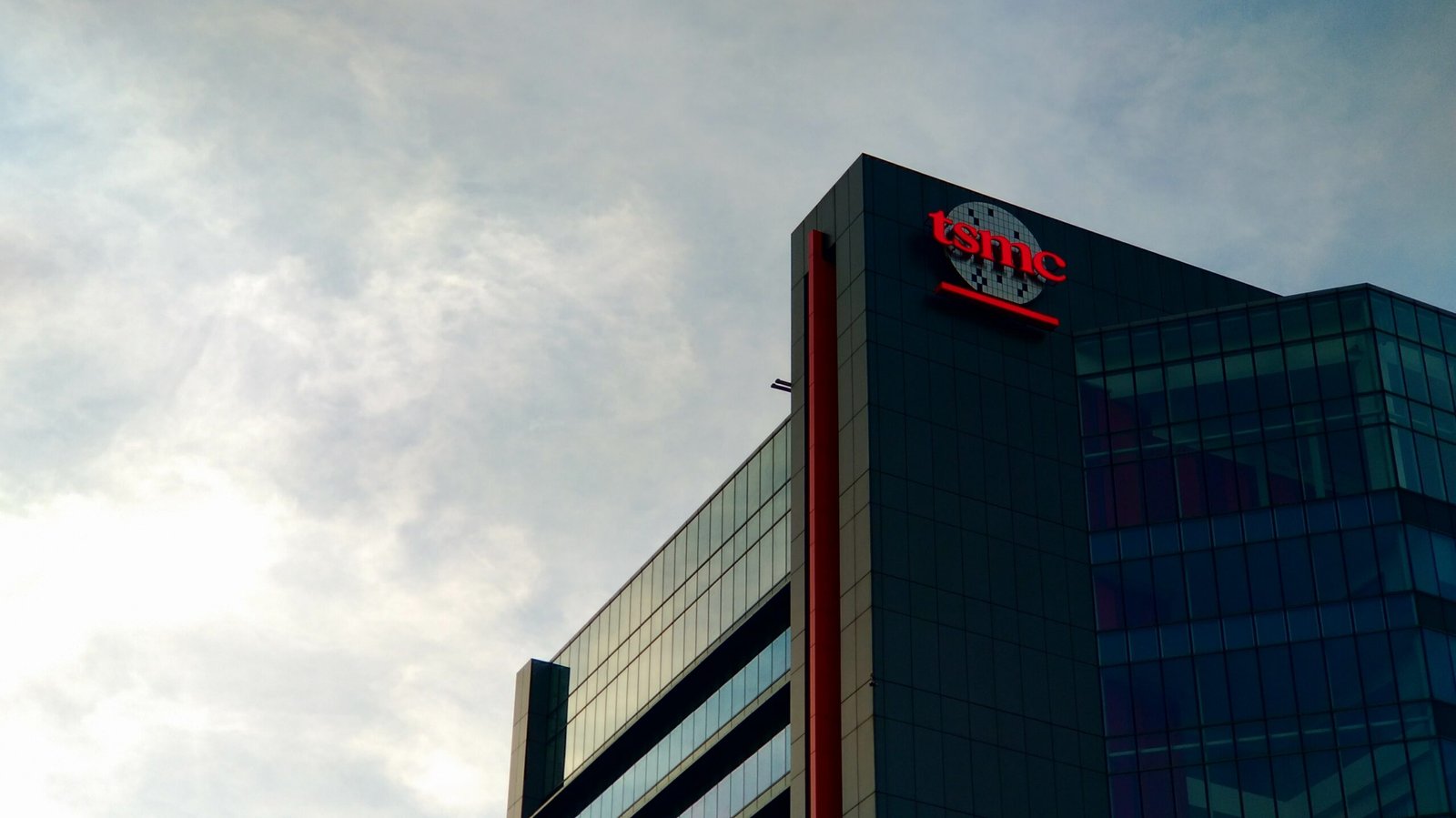
The United States remains Taiwan’s most important security partner. The relationship now includes a tougher industrial-policy bargain. Reuters said TSMC is investing $265 billion in Arizona factories. Taiwan’s economy minister also said Taiwanese companies planned another $20 billion of US investment.
Washington wants a larger share of advanced semiconductor production on American soil. Taiwan, meanwhile, wants predictable market access and lower tariff risks for companies that continue to manufacture at home as well as abroad.
A January U.S. Commerce Department fact sheet said Taiwanese semiconductor and technology companies had committed at least $250 billion in new direct investment in the United States. The figure covers a broader group of companies and commitments than TSMC’s own Arizona programme, so the two numbers should not be treated as interchangeable.
The central tension is clear. Overseas factories can reduce geographic concentration and bring production closer to customers. However, excessive relocation could weaken the supplier and engineering ecosystem that gives Taiwan its competitive advantage.
Europe expands Taiwan chip diplomacy
The European Union is making a parallel case. At the show, a European Commission representative promoted the proposed Chips Act 2.0 and encouraged Taiwanese investment, according to Reuters.
In an official address published on 1 September, Lai said Taiwan and Europe should combine their semiconductor strengths. He described Taiwan’s integrated manufacturing ecosystem as complementary to Europe’s research, equipment, materials and high-value manufacturing capabilities.
Lai also urged European countries to pursue double-taxation and investment agreements with Taiwan. His office said Taiwan-EU trade reached almost $75 billion in 2025 and that Taiwanese investment in the bloc during the past decade was 650% higher than in the preceding decade.
Those figures come from the Taiwanese presidency and support its case for closer cooperation. Reuters independently confirmed that the EU used SEMICON Taiwan to seek more investment. Taipei sees Europe as an important partner in Taiwan chip diplomacy and supply-chain diversification.
Why Taiwan chip diplomacy matters
Advanced chips are essential to data centres, smartphones, vehicles, communications equipment and weapons systems. Taiwan’s semiconductor position therefore carries economic and strategic weight far beyond the island.
For allies, more factories in the United States and Europe could limit damage from a regional disruption. For Taiwan, overseas expansion can deepen political ties. Taiwan chip diplomacy can also give its companies access to customers, talent and public incentives.
However, diversification is expensive. New plants need skilled workers, reliable power, specialist suppliers and years of production experience. A factory building alone does not reproduce the full network of companies and knowledge clustered around Taiwan’s chip industry.
This is why the phrase “with Taiwan” is more than a slogan. It describes an effort to keep Taiwanese firms embedded in new supply chains even when production moves beyond the island.
What to watch next
The next test for Taiwan chip diplomacy will be whether political promises turn into operating factories, supplier investments and formal agreements. Tariff decisions in Washington could change the cost calculation. Europe’s Chips Act 2.0 proposal will also shape the incentives available to investors.
Taiwan will also have to balance resilience with the risk of hollowing out its domestic advantage. The most durable version of chip diplomacy would expand capacity abroad while preserving research, advanced production and supplier depth at home.
For now, Taiwan chip diplomacy delivered a coordinated message from government and industry. Taiwan is prepared to share more of the AI supply chain. However, it wants that expansion to strengthen international partnerships rather than reduce its strategic relevance.
Featured image: File photograph of a TSMC factory in Taichung’s Central Taiwan Science Park, taken 25 June 2020. Photo by Briáxis F. Mendes (孟必思), via Wikimedia Commons, licensed CC BY-SA 4.0.
Read more verified reporting in The Daily Vantage’s Technology section.