The Cohere–Aleph Alpha agreement matters because it is a bet that companies and governments will pay for AI they can run under local rules and inside controlled infrastructure—not only for the most powerful public chatbot. The Canadian and German companies have signed a definitive business-combination agreement, subject to regulatory approval, and plan to operate as Cohere with leadership and research centres in both Canada and Germany.
At a glance
- Cohere and Aleph Alpha signed a definitive agreement; the transaction still needs regulatory approval.
- The combined company plans dual headquarters in Toronto and Berlin, with Aleph Alpha’s Heidelberg office focused on research.
- Its pitch is “sovereign AI”: capable systems that customers can operate under applicable data, security and regulatory requirements.
The Cohere Aleph Alpha merger is not simply another AI valuation story. It brings together a Canadian model developer and a German company that has concentrated on helping governments and regulated organisations deploy AI. The combined business is expected to use the Cohere name and pursue customers that need control over data, infrastructure and compliance as much as they need model capability.
What the Cohere–Aleph Alpha agreement changes
Cohere said its company will be rooted in both Canada and Germany, with more than 1,000 employees across the two continents after the transaction. It named Aleph Alpha co-chief executive Ilhan Scheer as prospective chief operating officer, while co-founder Samuel Weinbach is expected to become chief research officer once the deal closes.
Reuters reported that the combination was valued at about $20 billion when first disclosed in April and that Schwarz Group is investing €500 million in the new entity. Reuters also reported plans for compute capacity through Schwarz Group’s StackIT cloud business. Those figures underline why the transaction matters beyond a rebranding: enterprise AI needs expensive compute, deployment partners and credible governance arrangements.
What does “sovereign AI” mean?
In this context, sovereign AI means an organisation has meaningful control over where sensitive data is processed, which laws govern it, who can operate the systems and how models are deployed. It does not mean a country must build every chip and model itself. A bank, public agency or hospital may want a model hosted in a specified jurisdiction, integrated into its own systems and operated under clear audit and access rules.
That appeal is strongest in regulated sectors. They cannot treat privacy, security and procurement as details to resolve after a model is deployed. Yet “sovereign” is a business claim as well as a technical one: customers still need to test whether the product’s contracts, hosting, identity controls and data-handling practices match their actual legal and risk requirements.
Why this enterprise AI merger matters
The Cohere Aleph Alpha merger suggests the AI market is separating into more than a race for the largest general-purpose model. One part of the market is consumer-facing tools; another is deployment for institutions that prioritise data residency, procurement rules, on-premises or isolated environments and predictable support.
The deal also reflects a European push to build technology capacity without relying entirely on foreign cloud and AI suppliers. That does not guarantee a commercial win. Cohere will still compete with much larger cloud platforms and model providers. But a combined company with Canadian and German roots may have a clearer route into customers whose first question is, “Where will our data and model run?”
Why it matters
For businesses, the outcome could broaden choices between public AI services and tightly controlled deployments. For governments, it is a reminder that AI policy is increasingly linked to cloud infrastructure, procurement and cybersecurity. The value will be determined by implementation: actual model performance, integration, pricing, uptime and the ability to meet local requirements—not by the word “sovereign” alone.
That is also relevant to countries developing their own digital infrastructure. Bangladesh and other South Asian markets have growing demand for AI services, but the specific Canadian-German transaction does not create a local offering by itself. The useful question for local institutions is whether a vendor can meet their data-governance and capability needs, rather than whether it uses a fashionable label.
For context on why companies are building more specialised AI infrastructure, read our explainer on the Qualcomm–Amazon AI chip collaboration.
What happens next?
Regulatory approval remains the immediate hurdle. If the deal closes, readers should watch for the first concrete integration decisions: product road maps, the role of StackIT capacity, customer contracts and evidence that the combined company can serve regulated organisations at scale. Those developments—not the announcement alone—will show whether this becomes a durable enterprise-AI competitor.
Sources
- Cohere: definitive business-combination agreement
- Reuters: terms, investment and enterprise-AI context
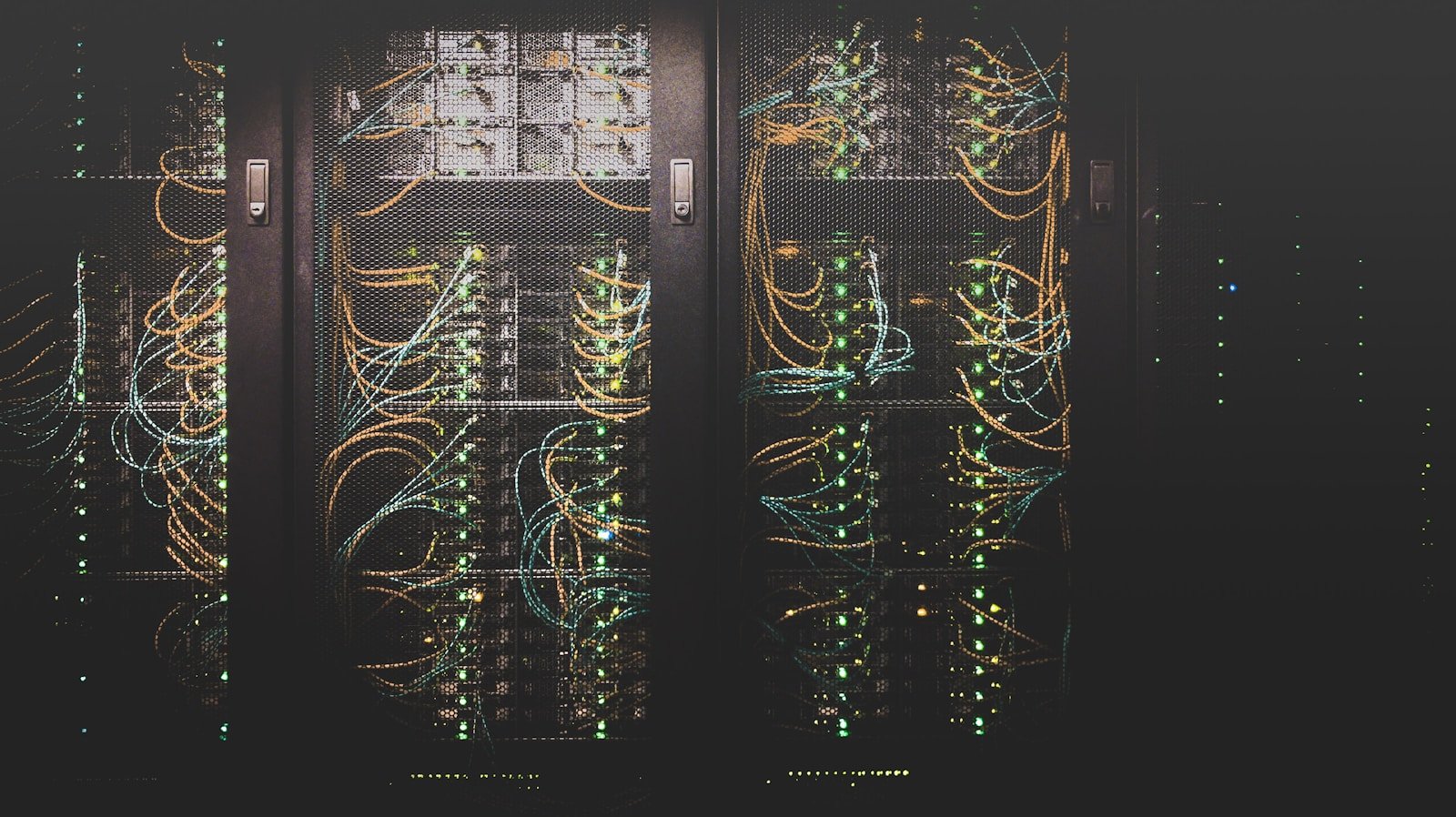
Featured image: data-centre server racks, photo by Taylor Vick via Unsplash.