Archive note — October 7, 2026: This report describes the September 6 search at Gyirong. Its search status, casualty totals and statements about available climate analysis reflect that date. Read our updated Nepal rescue archive and later climate-study explainer for subsequent developments. These later reports do not establish the current status of every search on the Chinese side of the border.
A China-Nepal flood search continued at the devastated Gyirong border crossing on Sunday, September 6. Rescue teams worked through deep mud and unstable terrain to locate hundreds of missing people.
The August 26 China-Nepal flood tore through valleys on both sides of the Himalayan frontier. Authorities and scientists say a glacier collapse likely triggered the disaster. Water, rock and debris then destroyed settlements, damaged hydropower sites and erased much of the busy border complex.
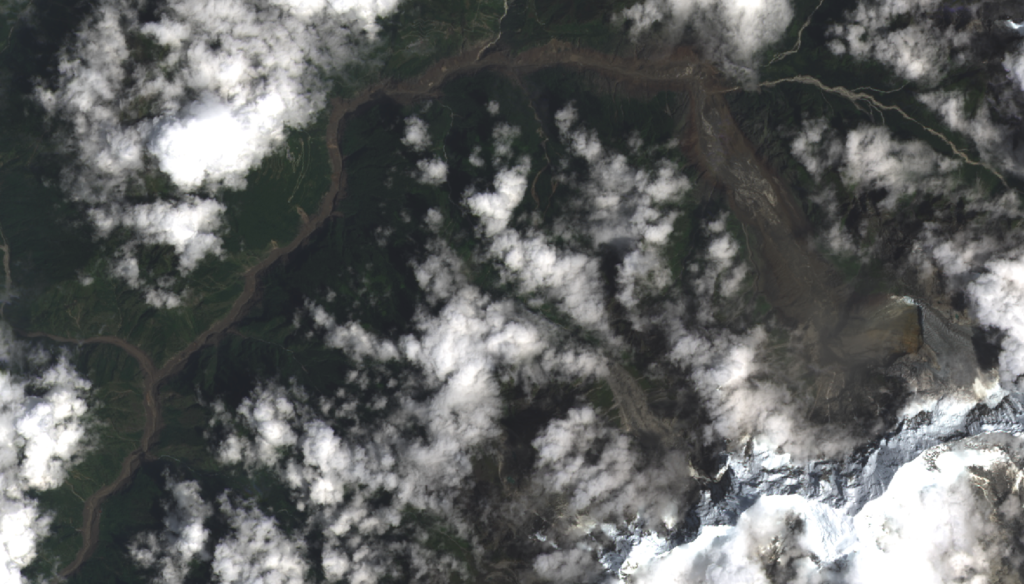
China-Nepal flood search focuses on Gyirong
About 20 Chinese rescue workers operated excavators, shovels and ground-penetrating radar at Gyirong on Sunday. Reuters reported from the site. Officials divided the disaster zone into seven search sectors. Teams had completed four sectors, with work still under way in three.
The narrow river gorge makes the operation difficult. Deep mud, poor weather and landslide risks continue to restrict access. Crews restored the only land route into Gyirong several days after the flood. That allowed excavators and other heavy equipment to reach the site.
The torrent swept away the five-storey customs building and the border gate, Reuters reported. The gate had stood about 20 metres high. Workers placed a Chinese flag where it once stood. Meanwhile, utility teams installed temporary poles to reconnect electricity.
China-Nepal flood toll remains fluid
Authorities continue to revise the toll as teams reach isolated locations and damaged tunnels. Reuters reported more than 1,300 deaths across Nepal and Tibet on September 6. It also reported that more than 5,000 people remained missing.
Earlier Chinese figures listed 31 deaths and 531 missing people on the Tibet side. The missing included 261 foreign nationals from 23 countries, according to Reuters.
A separate Associated Press report cited Nepal’s disaster management agency. The agency said nearly 4,900 people were still missing in Nepal. AP also cited a newer report from Chinese state broadcaster CCTV. It listed 43 deaths and 519 missing in Tibet by Saturday evening.
The totals came from different authorities at different times. Readers should not add them together as if they formed one synchronized count.
Rescuers also found one survivor. They pulled a Chinese worker from a hydropower tunnel after more than a week. AP reported that his family learned of the rescue after days without contact. Search teams believe other workers may remain inside tunnels linked to damaged power projects.
What caused the China-Nepal flood
Initial assessments point to a collapse involving ice and bedrock high above the Lhende River system. The collapse sent water, sediment and debris through steep mountain valleys.
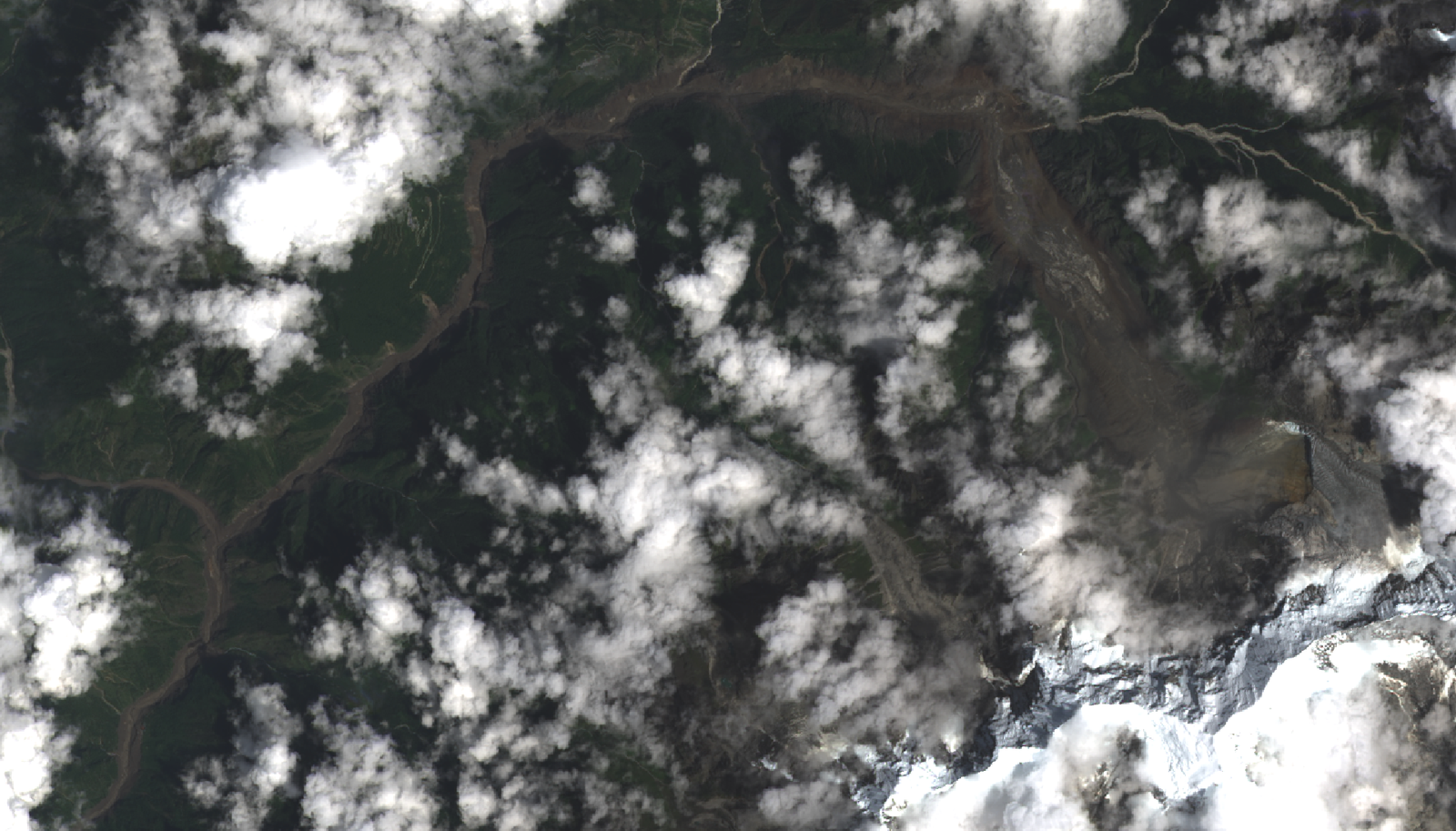
Satellite images showed a large scar near the glacier and heavy new sediment downstream. Specialists reviewed those changes after the disaster. Nepal’s National Disaster Risk Reduction and Management Authority called it a glacier-related flood. Scientists still need field evidence to establish the exact sequence.
The finding matters for future safety planning. Himalayan glaciers are retreating as temperatures rise. That process can change the stability of slopes and high-altitude lakes. Researchers have warned that warming can increase exposure to several mountain hazards. However, no formal analysis has attributed this single disaster to climate change.
Why the Gyirong crossing matters
Gyirong became the main road link for trade and travel between Nepal and Tibet after Nepal’s 2015 earthquake. That earthquake badly damaged an older crossing farther east.
Chinese goods, including vehicles, passed through Gyirong. Thousands of Hindu and Buddhist pilgrims also used the route toward Mount Kailash. The crossing had already closed temporarily after an earlier glacial flood.
The destruction creates problems that will last beyond the rescue operation. Authorities must restore transport, customs facilities, communications and power. They must do that in terrain still vulnerable to landslides. However, officials have not announced a timetable for reopening the port.
What recovery will require
Reopening the border will involve more than removing debris. Engineers must inspect river channels, road foundations, bridges and unstable slopes. In addition, temporary power and communications can support rescue crews. Permanent reconstruction must also account for sudden changes in water flow.
The China-Nepal flood shows why cross-border warnings matter. The same river system can threaten communities in both countries within minutes. Therefore, public alerts, evacuation routes and monitoring can reduce the danger. Yet they cannot prevent every sudden collapse.
For wider climate context, read The Daily Vantage’s report on the WMO El Niño forecast for 2026.
Sources and verification
- Reuters: reporting from the destroyed Gyirong border crossing, September 6, 2026
- Associated Press: rescue update and official casualty figures, September 6, 2026
- Wikimedia Commons: Landsat 9 satellite image and public-domain information
This report will be updated if authorities issue materially revised figures or new findings about the flood’s cause.