The Asia electrification target for 2035 aims to raise electricity’s share of regional energy use to 35%, reducing exposure to volatile imported fossil fuels while expanding grids, clean generation and electric transport. International Energy Agency chief Fatih Birol and South Korean Energy Minister Kim Sung-whan announced the RISE ASIA initiative in Seoul on September 17, 2026. The first work is expected to focus on Southeast Asia.
At a glance
- RISE ASIA is designed to support a 35% electrification goal for Asia by 2035.
- The initiative links energy security with investment in grids, electric transport, industry and clean power.
- Success depends on affordable electricity, stronger transmission networks and finance—not simply replacing one fuel with another.
The Asia electrification target 2035 is about shifting useful energy demand from direct fossil-fuel use to electricity. Examples include electric vehicles replacing petrol cars, heat pumps replacing gas heating, and electric industrial equipment replacing combustion-based processes. Electrification can cut emissions when the power supply becomes cleaner, but it can also improve energy security by reducing dependence on imported oil and gas.
What is the RISE ASIA initiative?
Reuters reported that the International Energy Agency and South Korea launched RISE ASIA to help Asian economies strengthen energy security and move away from fossil-fuel dependence. The initiative is expected to begin with Southeast Asian countries, while South Korea can contribute manufacturing capacity for equipment used in power systems and electrified industries.
The announcement comes as electricity demand is expanding more quickly than total energy demand. Birol said electricity demand is growing about three times faster than overall energy demand and that 61% of worldwide energy investment in 2026 is flowing into electricity. Those figures show why grids have become a strategic bottleneck: building power generation is not enough if electricity cannot be transmitted reliably to homes, factories and data centres.
Why does the Asia electrification target for 2035 matter?
Asia contains many of the world’s fastest-growing economies and some of its largest energy importers. Oil and liquefied-natural-gas price shocks can raise transport costs, factory expenses and household bills. Electrification creates the option to use a broader mix of domestic energy sources, including solar, wind, hydro, nuclear and geothermal power, depending on each country’s resources and policies.
However, a percentage target does not guarantee lower emissions. If new electricity comes mainly from inefficient coal plants, the climate benefit will be smaller. The initiative therefore has to be judged alongside the carbon intensity of generation, grid losses, reliability and the affordability of service.
What infrastructure has to change?
Transmission and distribution networks require long lead times, land access and large capital commitments. They also need digital controls and storage to handle more variable renewable generation. At the consumer end, countries need charging networks, electric machinery and financing that makes new equipment affordable.
The same grid challenge is becoming visible in the technology sector. AI data centres can add large concentrated loads, which is why our earlier explainer on power infrastructure for AI data centres argued that electricity supply is now part of the computing race. A stronger grid must accommodate new digital demand without making basic power less reliable or more expensive for households.
Why it matters
The Asia electrification target 2035 gives policymakers a measurable direction, but its value will come from implementation. Well-designed investment could reduce fuel-import exposure, improve urban air quality and support new manufacturing. Poorly planned investment could produce overloaded grids, stranded assets or higher tariffs.
The initiative also highlights the role of international finance. Many grid projects generate broad economic benefits but do not offer quick returns. Governments, development banks and private investors will need to share risks while keeping procurement transparent and protecting consumers.
What could this mean for Bangladesh and South Asia?
The launch initially emphasises Southeast Asia, so it should not be described as a Bangladesh programme. Still, the underlying issues are directly relevant to South Asia: growing electricity demand, fuel-import exposure, grid congestion and the need for affordable capital. Bangladesh would benefit from any wider regional progress that lowers equipment costs or improves knowledge on grid planning, but local outcomes would depend on domestic policy and verified project commitments.
What happens next?
Readers should watch for named participating countries, financing commitments, project timetables and a published method for measuring the 35% goal. Other useful indicators include grid investment, outage rates, electricity prices, the share of low-carbon generation and reductions in oil and gas imports. Those results will determine whether RISE ASIA becomes an operational programme or remains a high-level target.
Sources
- International Energy Agency analysis and regional energy work
- Reuters reporting on the RISE ASIA launch and electrification target
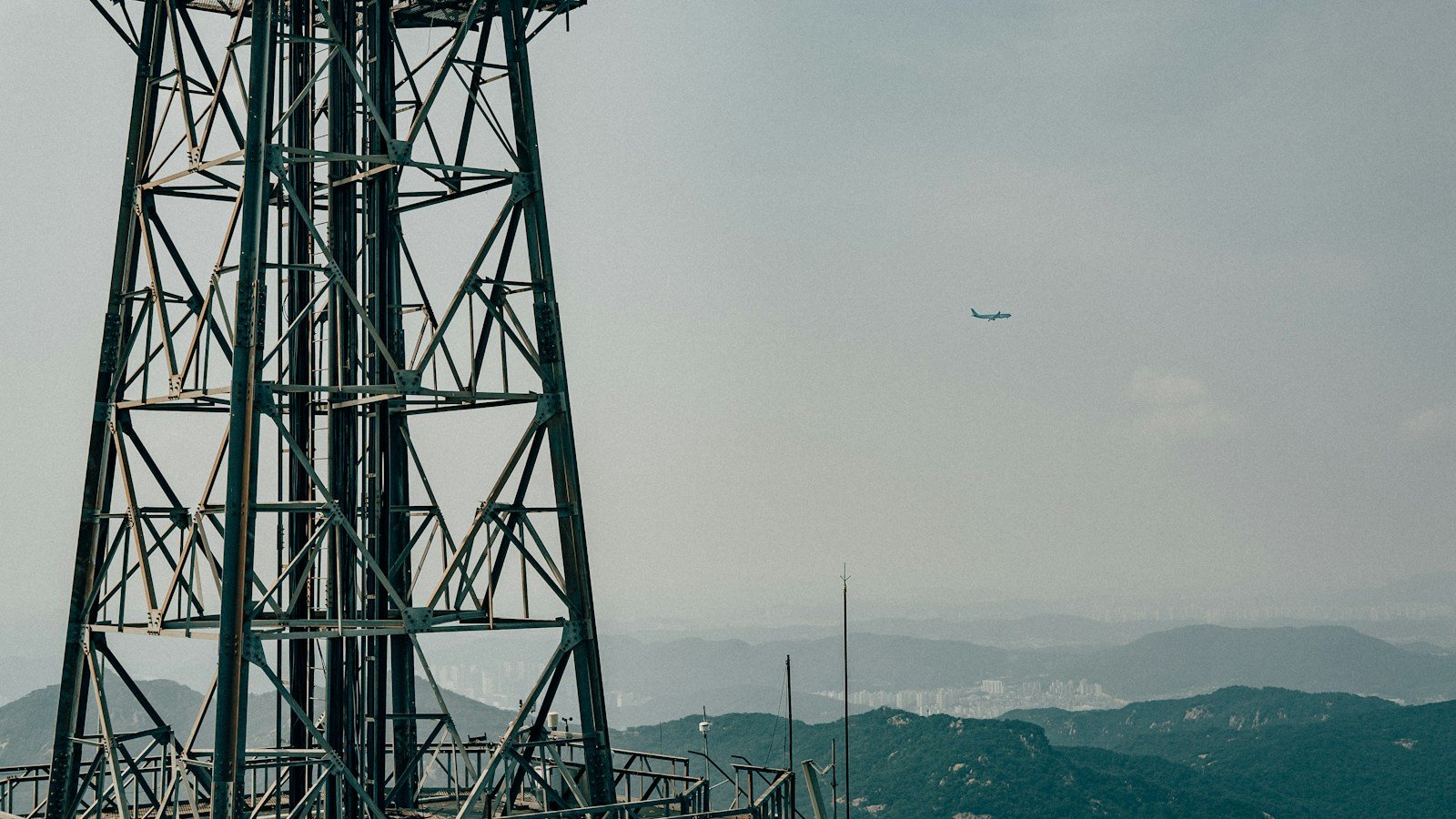
Featured image: electricity transmission tower, photographed by Daniel Bernard via Unsplash.