
Mexico has signed a decree requiring digital platforms to strengthen protections for children and teenagers against violent, sexual and other harmful content. The Mexico child-safety decree applies broadly to social-media, streaming and other digital services, and gives companies one month to adjust their systems. It does not create immediate financial penalties; President Claudia Sheinbaum said the government could pursue legislation with sanctions if platforms do not comply.
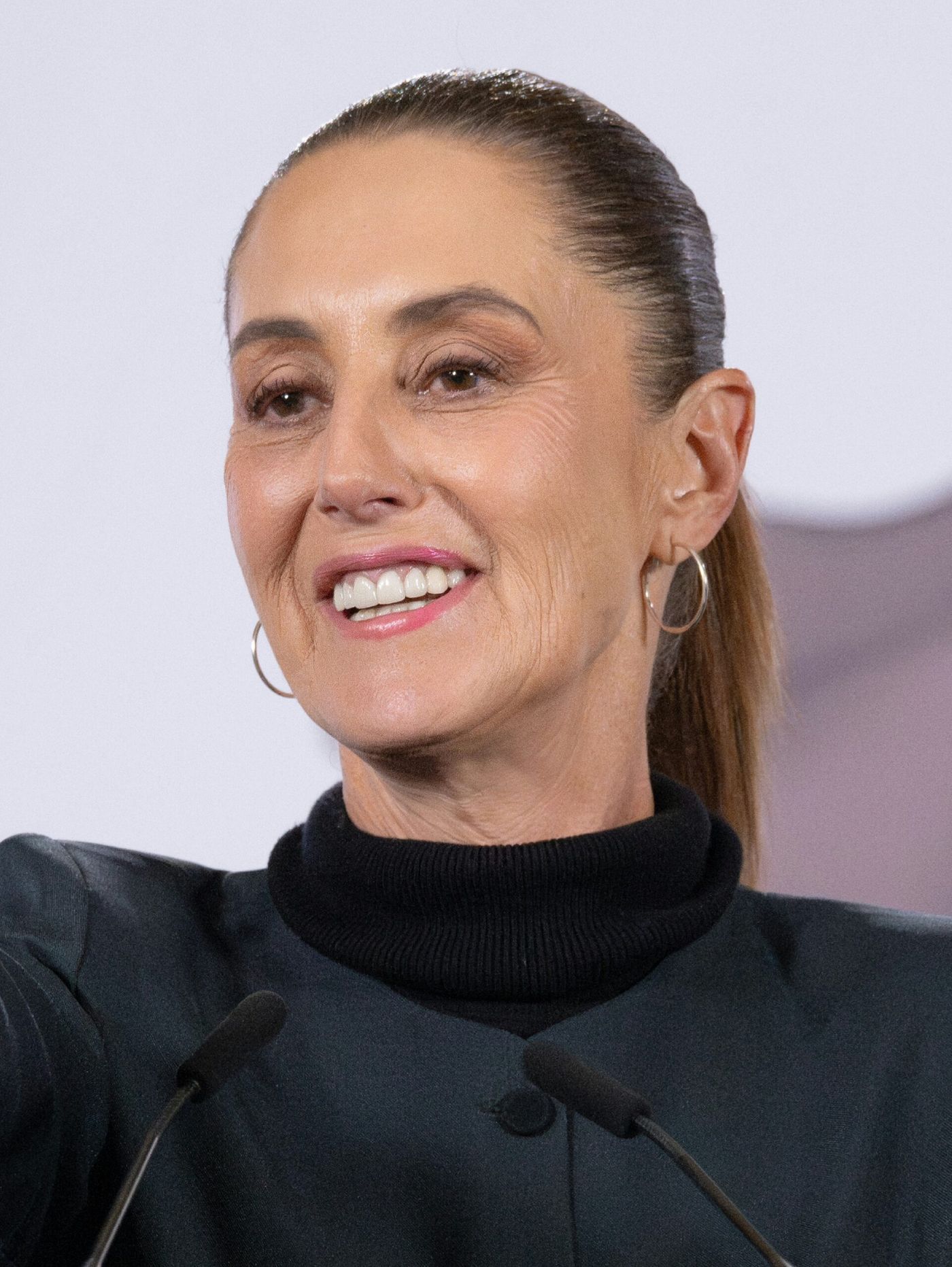
The decree was signed on October 14, 2026. Mexico’s presidency said officials had discussed the rules with representatives of Meta, TikTok, Google, Microsoft, Apple, X and Huawei before publication. The government’s official announcement and the text published through the Diario Oficial de la Federación set out the new framework.
What the Mexico child-safety decree requires
The decree asks platforms to identify and promptly remove accounts or material that promotes violence or creates risks for minors. The covered categories include violent extremism, hate speech, sexual abuse or exploitation, suicide and self-harm, eating disorders, school violence, harassment, cyberbullying and sexually explicit material.
It also calls for several product-level protections:
- age-based content classification and age checks;
- parental-supervision tools;
- privacy and safety settings switched on by default for minors;
- simple ways for users to report violent accounts or content;
- mechanisms for platforms to notify authorities about content that threatens life; and
- a permanent contact channel for lawful information requests from investigators.
Those details make the decree broader than a simple takedown demand. It reaches recommendation systems, account settings, reporting tools and the way services determine which content is appropriate for younger users.
What changes now—and what does not
Companies have one month to adapt their technology, according to the government. Mexico’s Agency for Digital Transformation and Telecommunications is expected to follow implementation.
The key limitation is enforcement. The decree does not yet impose a schedule of fines or other statutory penalties. Sheinbaum said that if platforms fail to follow the framework, her government would support a law that does include sanctions. That distinction matters: the requirements are now official government policy, but the consequences of non-compliance may depend on a later legislative step.
Reuters reported that Meta acknowledged the decree and said it would study it. The company also pointed to existing tools intended to limit who can contact teenagers and help parents guide their children’s online experience. Reuters said Microsoft, Apple, TikTok, Google, X and Huawei had not immediately commented.
Why Mexico acted
The measure follows deadly school violence in Coahuila and a wider government debate about the role of online content in encouraging hate, harassment and violent behavior. Officials have not claimed that a single platform or algorithm alone caused those attacks. Their stated goal is to reduce minors’ exposure to material that can intensify risks and to give families and authorities clearer reporting channels.
El País reported that participating technology companies asked for the one-month period to adjust their systems. The newspaper also noted that the decree is Mexico’s first clear attempt to require platforms’ own technology to play a formal role in protecting younger users from violent online material.
How this differs from an under-13 social-media ban
Mexico is not imposing a blanket ban on social-media accounts for everyone below a single age. Instead, it is requiring platforms to classify material, verify or account for age, use safer defaults and restrict harmful content for minors.
That is different from the age-threshold approach debated elsewhere. The Daily Vantage recently examined the Philippines’ proposed under-13 social-media restrictions, which focus more directly on whether younger children may hold accounts. Mexico’s model focuses on what services must do after a young person is on the platform.
The two approaches share a practical challenge: age assurance must be strong enough to work without collecting unnecessary personal data. Mexico’s decree calls for age-based protections, but the implementation details will determine how much information platforms request and how reliably they distinguish adults from minors.
What users and creators should watch next
For families, the first visible changes may be stricter default settings, clearer age labels and more prominent reporting controls. Creators whose content touches on violence, self-harm, sexual themes or dangerous behavior could face closer review when material is likely to reach minors.
Platforms will also have to decide how to interpret context. News reporting, education, documentary work and fictional storytelling can discuss difficult subjects without promoting harm. Overly broad automated removal could suppress legitimate speech, while weak moderation would fail the decree’s purpose. Transparent appeals and published enforcement data would help show how companies manage that balance.
The immediate milestone is the one-month adjustment period. After that, the important evidence will be whether Mexico publishes technical guidance, whether platforms announce specific product changes, and whether the government moves from a decree to legislation carrying enforceable penalties.


.jpg)