YouTube expanded Ask YouTube, its conversational AI search tool, to U.S. viewers across the web, mobile devices and TVs on October 12, 2026. The feature lets people describe what they want in natural language, refine a request with follow-up questions and receive an interactive set of answers and video results.
The change matters to creators because discovery no longer depends only on titles, thumbnails and short keyword queries. Ask YouTube can interpret longer questions and surface relevant moments from videos, including Shorts and livestreams. However, YouTube has not disclosed a separate ranking formula or promised that using particular phrases will make a video appear in an AI response.
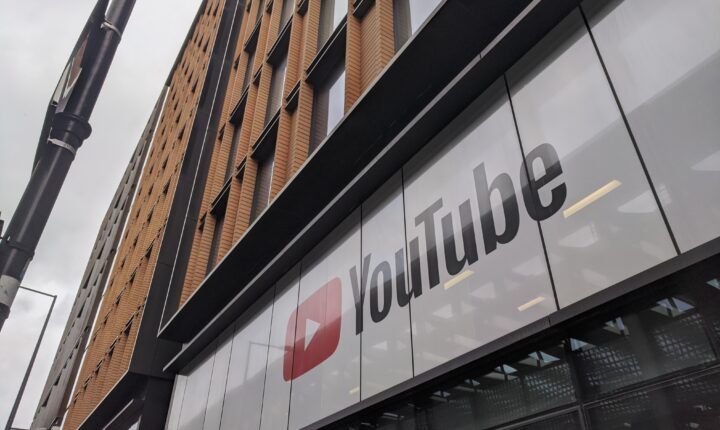
Featured image: the YouTube office building at 901 Cherry Avenue in San Bruno, California, photographed April 2, 2017. Coolcaesar/Wikimedia Commons, CC BY-SA 4.0. Source and licence details. Archival image; it does not show the Ask YouTube interface.
What Ask YouTube does
According to YouTube’s October 12 announcement, viewers can use Ask YouTube for complex searches, continue with follow-up questions and receive results in a conversational format. The company gave examples ranging from finding do-it-yourself costume videos to exploring video essays.
The search experience is now available to U.S. viewers on the web, mobile devices and TVs. On a television, a viewer can use voice input rather than typing a traditional query with a remote. Availability may still vary by account and device as the rollout reaches eligible users.
Ask YouTube is not a general-purpose chatbot detached from the platform. Its role is to help people find and understand YouTube videos. Results can combine explanatory text with video suggestions and direct viewers toward relevant material.
Ask YouTube is also coming to Shorts and livestream watch pages
YouTube said the watch-page version of Ask YouTube will expand to Shorts and livestreams. Viewers will be able to request context while watching, rather than leaving the video to perform a separate search.
That could be particularly useful during long livestreams, where a viewer may arrive late and want to understand what is happening. It may also help people identify a product, topic or reference mentioned inside a Short. YouTube described the feature as providing instant context, but did not publish a detailed launch timetable for every watch-page expansion.
Android Police reported on October 12 that the mobile rollout lets users find clips they cannot name precisely. Android Authority also reported the mobile expansion, corroborating the central product change independently of YouTube’s announcement.
What the change means for creators
Conversational search could reward videos that answer a specific question clearly, even when a viewer does not know the exact title or creator. That creates a discovery opportunity for tutorials, reviews, explainers, interviews and long-form videos containing useful sections.
Creators should not respond by stuffing scripts or descriptions with awkward AI-oriented phrases. YouTube has not provided evidence that such tactics improve Ask YouTube visibility. The more defensible approach is the same one that benefits viewers: use accurate titles, explain the subject early, structure longer videos clearly, add chapters where appropriate and supply reliable captions.
The feature may also change how viewers enter a video. A conversational result can send someone toward a relevant answer or segment rather than the opening frame. Creators therefore need each section of a longer video to make sense in context and should avoid making important claims without showing their basis.
The Daily Vantage recently examined what brands can see through YouTube’s creator-search tools and YouTube’s growing role as a news source. Ask YouTube is a separate viewer-facing product, but all three developments show search and discovery becoming more central to how channels are found and evaluated.
What viewers should verify
AI-generated summaries can be useful navigation aids, but they should not be treated as substitutes for watching the source—especially for medical, financial, legal or breaking-news questions. Viewers should open the recommended video, check the speaker and publication date, and compare important claims with primary or authoritative sources.
YouTube’s announcement did not describe a new citation standard, accuracy guarantee or appeal process for creators who believe an AI answer misrepresents their videos. Those remain important unanswered questions as conversational results reach more screens.
Where and when Ask YouTube is available
The confirmed rollout covers U.S. viewers on web, mobile and TV. YouTube did not announce global availability in the October 12 post. People outside the United States should therefore not assume the feature is available in their country yet.
The company also said viewers will soon be able to use Ask YouTube directly while watching Shorts and livestreams. “Soon” is not a specific release date, and device support may arrive in stages.
The practical takeaway is clear: Ask YouTube has moved beyond an early search experiment and into a broader U.S. rollout across major viewing surfaces. Its long-term effect on creator traffic is not yet measurable, but it gives viewers a new route from a natural-language question to a specific video or moment.
Sources: YouTube’s official October 12 product announcement; Android Police; Android Authority. Availability and future features are described only as confirmed by those sources.