A YouTube-backed survey of 20,617 creators across all 27 European Union countries found that many see public funding, professional training and studio access as out of reach. Published on October 12, 2026, the Creative Capital report turns those responses into five proposals for European policymakers.
The findings matter because they describe creators less as hobbyists and more as small media businesses. But the report is also an advocacy document commissioned by YouTube, which has a direct interest in how Europe regulates recommendation systems. Its statistics should therefore be read as a large consultation of YouTube creators—not as a neutral census of every creator in Europe.
What the EU creator economy survey found
Public First ran the anonymous online survey from June 1 to July 8, 2026. It received 20,617 responses and conducted 20 one-to-one interviews with creators across the EU, according to the methodology published in the report.
The clearest pressure points were access and recognition:
- 65% said creators receive too little or no support in gaining access to government funds or grants.
- 65% of professional creators said the same about recording spaces and studios.
- 60% reported too little or no support for creator-specific training and workforce skills.
- 63% said creators receive little or no representation support when dealing with government.
- 64% said greater recognition from established creative industries would help them thrive.
The report also says 66% of respondents who earn money from content typically reinvest that revenue in improving production quality. That finding supports YouTube’s argument that successful channels create work for editors, producers, camera operators and other specialists rather than operating only as one-person businesses.
YouTube’s five proposals for European policymakers
YouTube groups its recommendations into five areas: government recognition, industry representation, training, production support and open discovery.
Among the specific ideas are a dedicated classification for digital creators in Eurostat data, creator representation in European policy discussions, an Erasmus+ creator exchange pilot, creator-focused apprenticeships and wider eligibility for Creative Europe funding. The report also proposes shared regional hubs offering subsidized studios, sound booths, equipment and flexible workspace.
Those proposals respond to a practical problem: funding and training systems designed for film, television and other established sectors may not recognize “content creator” as a profession or a creator-led channel as an eligible production company.
The recommendation-algorithm debate needs context
The report’s fifth section is more politically contested. It says 83% of respondents consider YouTube’s recommendation and discovery algorithms important to channel growth and revenue. Among respondents with more than 100,000 followers or subscribers, 71% said reduced visibility caused by changes to recommendation systems would affect their income and ability to grow.
YouTube uses those responses to argue against government “prominence” rules that could require platforms to favor selected public-interest or traditional media sources. The company says such mandates could reduce opportunities for independent creators.
That conclusion is not independent of YouTube’s business interests. An independent Dutch creator-economy publication noted that YouTube has a stake in resisting regulation of its recommendation system. The survey shows that creators depend on discovery, but it does not by itself prove that every proposed prominence rule would harm them.
How large is YouTube’s creator economy in the EU?
YouTube cites Oxford Economics estimates that its creative ecosystem contributed more than €8.4 billion to EU gross domestic product in 2025 and supported over 220,000 full-time-equivalent jobs. It also says more than 70% of watch time for channels based in the EU27 came from outside the region.
These economic-impact figures are separate from the 20,617-person consultation. The report attributes them to Oxford Economics, while the attitudes about grants, studios and algorithms come from Public First’s creator survey.
For creators, the useful takeaway is not that policy has already changed—it has not. The document is a proposal aimed at governments and European institutions. Its immediate value is that it puts measurable numbers behind complaints that creator businesses struggle to fit into older cultural-funding, training and professional-recognition systems.
What happens next
YouTube has called for European institutions and member states to adapt existing programs rather than build an entirely new support system. Any real effect will depend on whether policymakers adopt ideas such as creator eligibility for Creative Europe, specialized training or shared studio infrastructure.
The report follows a year of continued expansion in YouTube’s viewer and creator tools. The Daily Vantage has separately covered the expansion of Ask YouTube across devices and the data available through YouTube’s creator-search tools for brands.
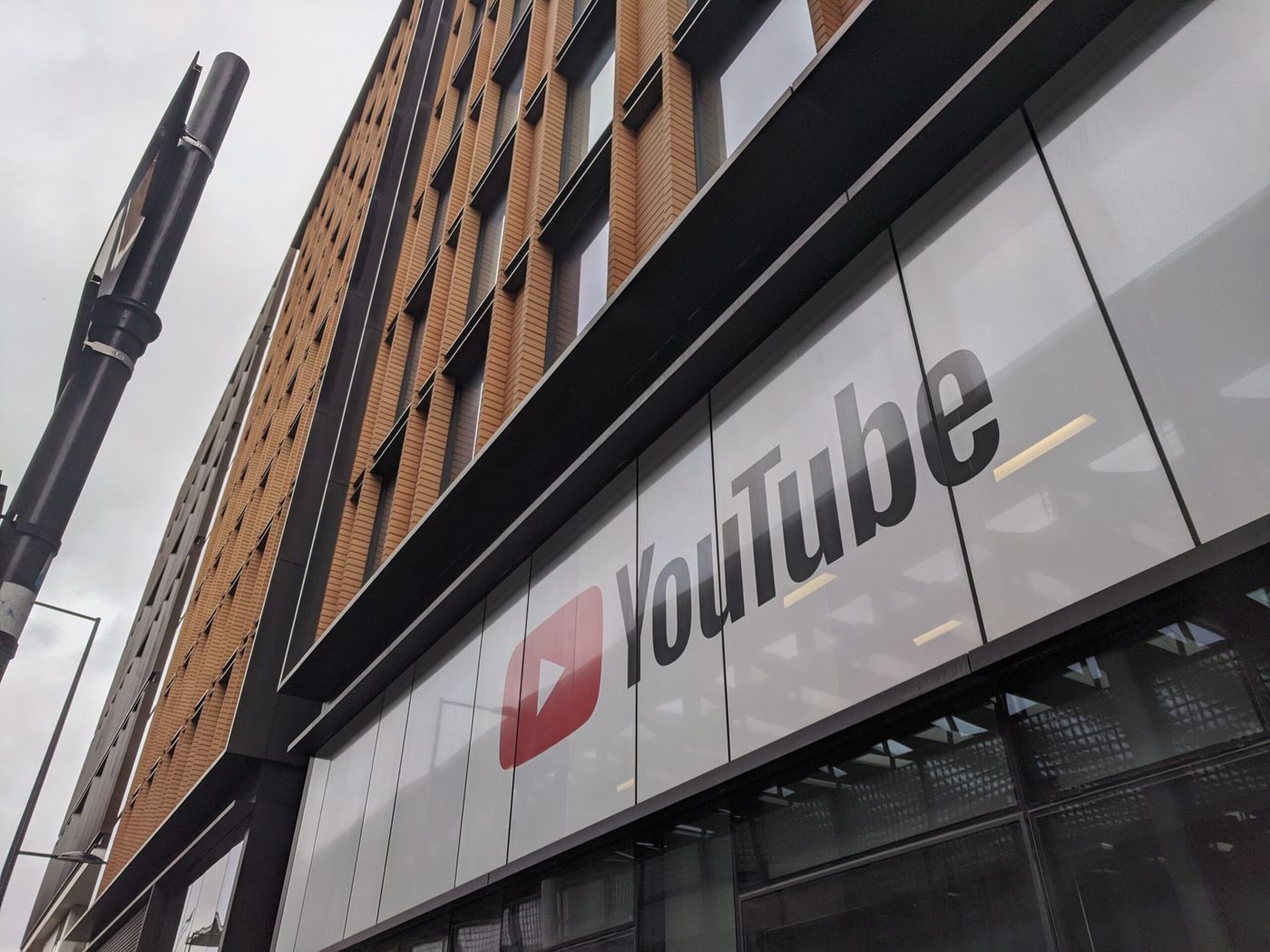
Featured image: Exterior of YouTube Space London at King’s Cross, photographed on February 21, 2020. Archival photo by Ed6767, licensed under CC BY-SA 4.0; source. The London site is shown as an example of dedicated creator-production infrastructure; the survey itself covers the EU27.