
Instagram Live partnership ads became generally available on September 29, 2026, giving advertisers a way to put paid distribution behind an authorized creator’s live broadcast. The format turns an eligible Instagram Live into a partnership ad; it does not automatically enroll creators, guarantee payment, or make every livestream available to brands.
Meta announced the rollout during IAB Global Creator Week as part of a broader expansion of its creator-marketing tools. For creators and brands, the important change is practical: a live collaboration can now be planned as both an organic event and a paid campaign, provided the necessary partnership-ad permissions and eligibility requirements are in place.
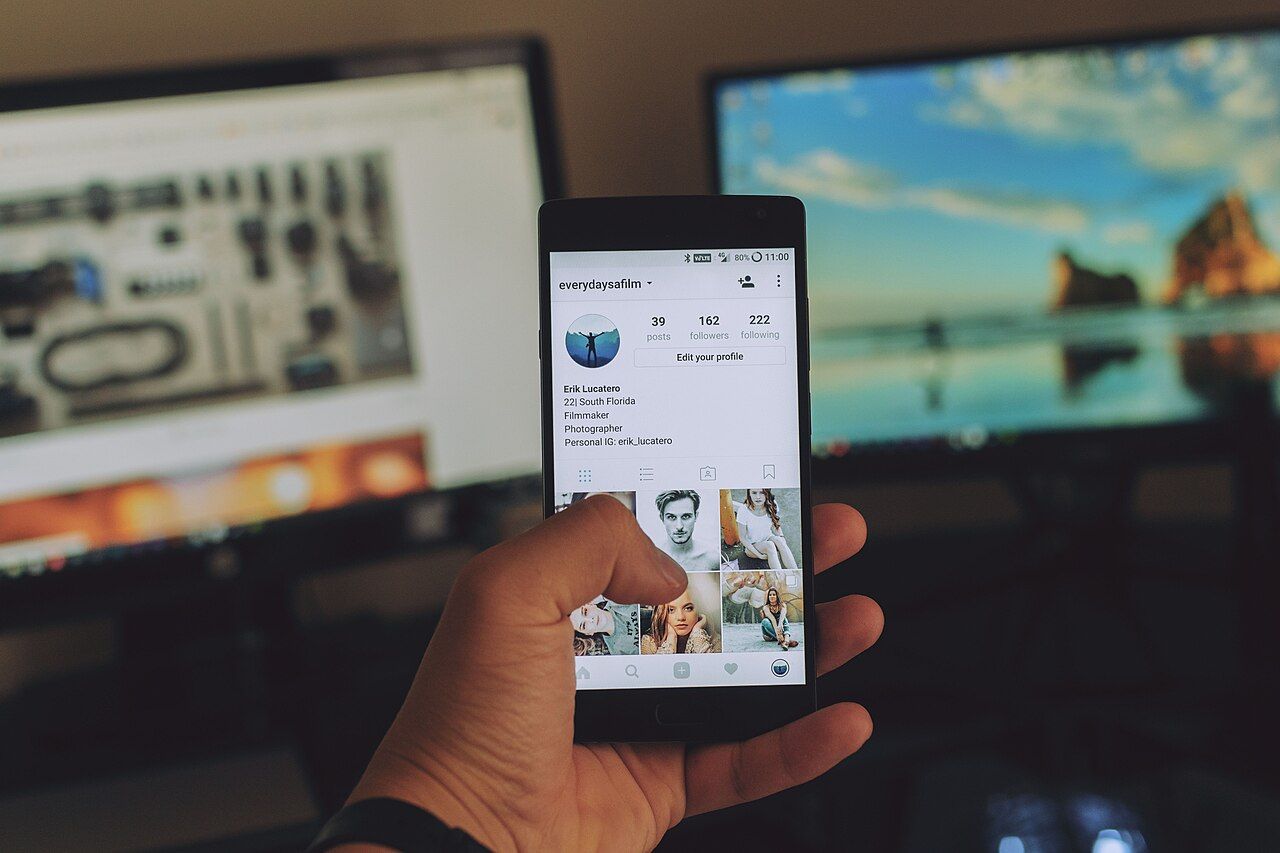
Featured image: archival photograph of a person viewing Instagram on a smartphone, May 13, 2017. Photo by Erik Lucatero via Wikimedia Commons, released under the CC0 1.0 public-domain dedication. The image illustrates Instagram use and does not show the 2026 Live partnership-ad interface.
What Instagram Live partnership ads change
Meta says Instagram Live video ads let brands amplify a creator’s live content as a partnership ad. Marketing Dive independently reported that the format was scheduled for general availability on Instagram on September 29, after already being available for Facebook Live.
The distinction matters. This is not simply a brand clipping a creator’s video and uploading it to a separate ad account. Partnership ads are Meta’s branded-collaboration format, designed to connect an advertiser with a creator or other partner whose identity and content are part of the campaign.
That can make a live launch, interview, demonstration or Q&A useful beyond the creator’s existing organic audience. A brand can plan paid reach around the event, while the creator remains the person delivering the broadcast.
Permission still comes before promotion
General availability does not remove creator control. Meta’s partnership-ad system requires a relationship between the advertiser and creator, and its help documentation explains that creators can give business partners permission to promote eligible content. Meta supports both content-level and account-level permission workflows for partnership ads, depending on the format and setup.
Before scheduling a sponsored Live, both sides should verify the exact Instagram Live workflow inside Ads Manager or Meta Creator Marketing Hub. They should also confirm that the creator account and planned content meet Meta’s current eligibility and advertising rules. A feature being globally available to advertisers does not mean every account or broadcast will pass review.
Creators should treat access as a contractual decision, not a routine toggle. The agreement should identify:
- which Live broadcast the advertiser may promote;
- how long paid usage may continue;
- the countries, audiences and placements covered;
- whether edits, excerpts or archived versions are allowed;
- the creator’s fee and any performance-based compensation; and
- who can pause the campaign if the live conversation changes direction.
Meta’s tools manage platform permission. They do not replace a clear commercial agreement between the parties.
A partnership ad is not automatic creator payment
Creators should not read “partnership ad” as a built-in revenue-sharing promise. Meta’s announcement describes an advertising capability for brands; it does not say that Instagram automatically pays the featured creator whenever the advertiser boosts a Live.
Compensation therefore needs to be negotiated. A creator might charge for the appearance, production, paid-media usage, exclusivity or a combination of those items. Brands should avoid assuming that an organic-collaboration fee includes indefinite advertising rights.
The same care applies to disclosure. Paid or sponsored relationships still need clear labeling that complies with Meta’s branded-content rules and the laws that apply to the campaign. A technical partnership label should support, not replace, an understandable disclosure to viewers.
Live campaigns need a different brand-safety plan
Live video offers immediacy, but it also removes much of the editing buffer available in a conventional ad. Brands and creators should agree on the run of show, prohibited claims, guest responsibilities, music and footage rights, comment moderation, and a procedure for ending the broadcast if something goes wrong.
A useful pre-flight checklist includes testing the connection and audio, confirming the correct creator and advertiser permissions, preparing disclosure language, assigning a moderator, and deciding what will happen to the replay. If the campaign makes product, health or financial claims, those statements deserve review before anyone goes live.
Brands should also separate the organic and paid measurement plans. Live viewers, replay views, reach, clicks and conversions answer different questions. A larger paid audience is not proof that the collaboration worked unless the campaign had a defined goal and suitable measurement from the start.
What the September 29 rollout does not mean
Instagram Live partnership ads do not guarantee that a broadcast will be approved, perform well or remain eligible after it begins. They do not grant a brand ownership of the creator’s content, and they do not authorize the use of third-party music, clips or guest appearances.
The rollout also should not be confused with a universal ad break inserted into every Instagram Live. Meta described a format through which an advertiser can amplify a creator’s live content as a partnership ad. Participation depends on a deliberate creator-brand arrangement.
Why this matters for the creator economy
The format brings paid distribution closer to the moment a creator is speaking with an audience. That could make live interviews, product reveals and event coverage more attractive to advertisers that want reach while the conversation is happening.
It also raises the value of preparation. The most successful campaigns are likely to be those in which creator fit, permissions, usage rights, disclosure and moderation are resolved before the broadcast—not while the audience is already watching.
The change fits Meta’s wider effort to make creator advertising easier to manage. The company has also been expanding Creator Marketing Hub tools and partnership-ad workflows. Meanwhile, its other platforms are moving toward increasingly video-led experiences, including the company’s Reels-first Facebook test in India. Creators comparing tools can also see how Instagram is developing production features in our guide to the Instagram Edits AI assistant.
Bottom line
Instagram Live partnership ads give brands a new paid-distribution option for creator broadcasts, but the feature is a campaign tool, not a substitute for consent, contracts or careful production. Creators should define their usage rights and compensation; advertisers should confirm eligibility and build a live-specific safety plan before spending begins.
Sources: Meta’s IAB Global Creator Week announcement, Meta’s partnership ads overview, Meta’s partnership-ad permissions guide, and Marketing Dive’s independent report.

.jpg)