Adam Conover says YouTube has become a more powerful gatekeeper than traditional television because creators cannot negotiate with its recommendation algorithm—even as the platform offers access that old TV networks never did. In a September 14, 2026 interview with The Verge’s Decoder, the comedian and YouTuber argued that the platform has opened distribution while weakening the stable, team-based jobs that once supported much of television production.
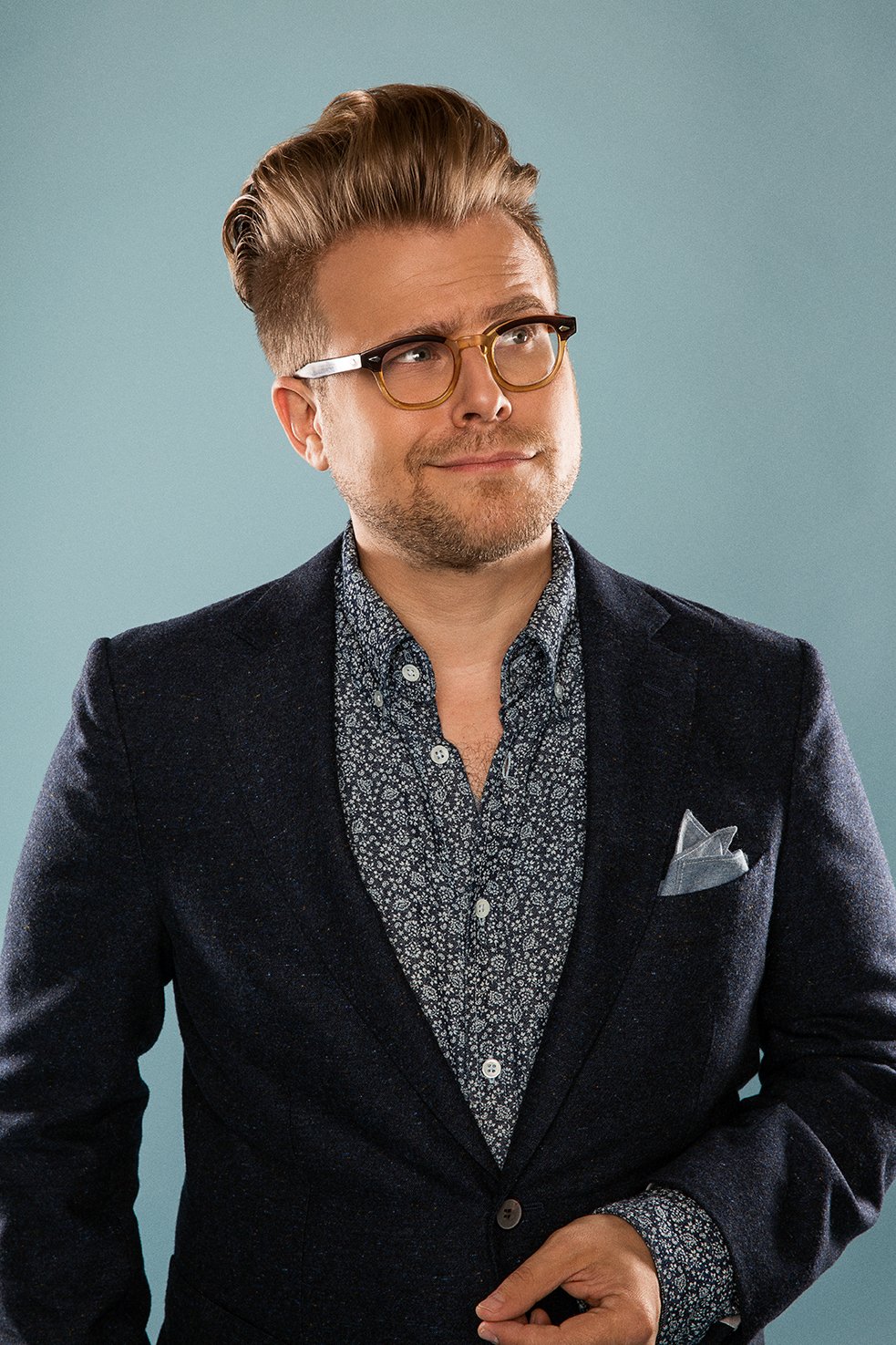
That is Conover’s analysis, not a neutral finding about every creator’s experience. YouTube points to a large revenue-sharing program and says it expects creator payments to grow. The tension between those two accounts explains why his comments matter: YouTube is simultaneously a route around Hollywood and one of the most influential decision-makers in entertainment.
What did Adam Conover say about YouTube?
Conover’s central claim is that replacing human TV executives with a recommendation system did not eliminate gatekeeping. It changed its form. A television producer could once pitch an editor or executive, hear objections and try to persuade a person. On YouTube, Conover said, creators often have to infer what the system wants from view counts, click-through rates and recommendations.
He described that pressure through his own work. A video about artificial intelligence performed strongly, while a researched video about the history and environmental impact of leaf blowers drew far fewer views. His question was practical: should he keep pursuing subjects he finds worthwhile, or make more of what the algorithm has already rewarded?
Conover did not say YouTube offers no opportunity. He acknowledged that anyone can upload and that this is valuable. His sharper point was about bargaining power: creators can publish without permission, but most cannot negotiate distribution terms with the system that decides whether their work reaches an audience.
Why he thinks the “middle” of media disappeared
Conover moved from CollegeHumor to the cable series Adam Ruins Everything, then back toward YouTube and podcasting. That career gives him experience on both sides of the shift.
In the interview, he contrasted his former television production—where writers, camera crews, actors and other specialists worked together—with his current operation, built around one full-time employee and freelancers. He said he can still make a good living, but the same amount of audience attention now supports fewer stable creative jobs around him.
His criticism is therefore broader than personal income. It concerns the loss of a production layer between solo uploads and extremely expensive prestige shows. Conover said he wants to rebuild part of that middle by developing a YouTube-based show that can employ writers and eventually operate under union contracts.
The TV-viewing data strengthens part of his case
Conover’s argument that YouTube now competes directly with television is supported by audience data. Nielsen reported on September 10 that YouTube reached a record 14.2% share of U.S. television viewing in July 2026. That measurement covers viewing on TV screens, not simply phone or laptop use.
The platform is also adopting more television-like organization. The Daily Vantage previously explained how YouTube is grouping some Shorts into shows, seasons and episodes. Those changes support Conover’s basic premise that YouTube is no longer just a website for informal clips; it is part of the mainstream television market.
The data does not prove that YouTube’s model is worse for every worker or creator. It does show why decisions made by its recommendation and monetization systems now carry consequences across the wider entertainment industry.
What YouTube says about creator pay
YouTube presents a different picture of the economics. In an August 10, 2026 Partner Program update, the company said more than three million creators participate in YPP and that it expects to pay creators more in 2027 than in 2026. It also said creators receive a 55% revenue share for long-form videos and 45% for Shorts from the applicable pools.
Those figures matter because they distinguish YouTube from platforms that offer little or no direct revenue share. They also do not fully answer Conover’s complaint. His argument is about the cost and risk creators absorb before a channel becomes sustainable, the inability to bargain collectively with a recommendation system, and the smaller teams that result when production is financed one video at a time.
Both statements can be true: YouTube can pay creators at enormous scale while leaving many individual creators with unstable income and limited leverage.
What Conover wants to build next
Conover said he is pursuing a model closer to a small, unionized television operation built for YouTube. He described plans to seek enough backing to employ more comedy writers and raise production quality beyond a typical podcast. He also said he self-financed a stand-up special that he expected to release on his YouTube channel in October 2026.
That project will be a real-world test of his argument. Owning the work and reaching viewers directly gives him control that a television network might not. But financing, marketing and distribution risk remain largely his responsibility.
The bottom line
Adam Conover is not arguing that creators should abandon YouTube. He is arguing that access without bargaining power is incomplete democratization. The platform gives millions of people a route to publish, while its algorithm and business rules still decide which creative businesses can grow.
His proposed answer is not a return to old television. It is to bring some of television’s durable features—paid teams, specialized workers and collective bargaining—into creator-led media. Whether that model can work at scale is still unproven, but the question is increasingly important as YouTube captures a larger share of television viewing.