Archive update — October 6, 2026: This article records the September 4 rescue. Reuters reported on October 5 that Nepal ended the active search-and-rescue phase and shifted its focus to rehabilitation. Authorities said emergency rescue would continue if needed. References below to ongoing searches and provisional casualty figures describe the situation when this report was originally published.
Two hydropower workers were pulled alive from a mud-choked tunnel in Nepal on Friday, nine days after a glacier-linked avalanche and flash flood tore through the Trishuli River valley. The breakthrough in the Nepal tunnel rescue has lifted hopes that emergency teams may still reach others trapped beneath damaged power projects.
Mechanical foreman Sanjay Sah and mechanical supervisor Kabir Maharjan were rescued from the Upper Trishuli 3A Hydropower Station after crews heard voices underground, according to The Associated Press. They were flown to Kathmandu for treatment.
How rescuers reached the two workers
The operation changed course early Friday when search teams detected voices inside the tunnel. Officials then concentrated crews on the section where the men were believed to be sheltering. Reuters reported that the survivors were the first people brought out alive from tunnels connected to the hydropower projects since the August 26 disaster; a small group had escaped from another tunnel shortly after the flood struck.
Images released by Nepali authorities showed Maharjan being lifted through an opening and placed on a stretcher. Sah was carried to a medical tent, where army doctors checked his condition and gave him oxygen before he was evacuated.
Both men were admitted to intensive care with stable vital signs, a hospital source told Reuters. An aide to Nepal’s energy minister said Maharjan could not move his hands and legs, while Sah’s injuries were not considered critical.
Why the Nepal tunnel rescue matters
The men survived for more than a week inside a tunnel surrounded by flood debris. Their rescue confirms that at least one section remained survivable long after surface access had been lost. Sah told rescuers that several more people could be alive inside, Reuters reported, though officials have cautioned that conditions differ from tunnel to tunnel.
The Independent Power Producers Association of Nepal estimated that about 115 people may have been trapped in the main Trishuli 3A tunnel, AP reported. That figure remains provisional as authorities, employers and families reconcile lists of workers who were present when the disaster struck.
A disaster across the Trishuli valley
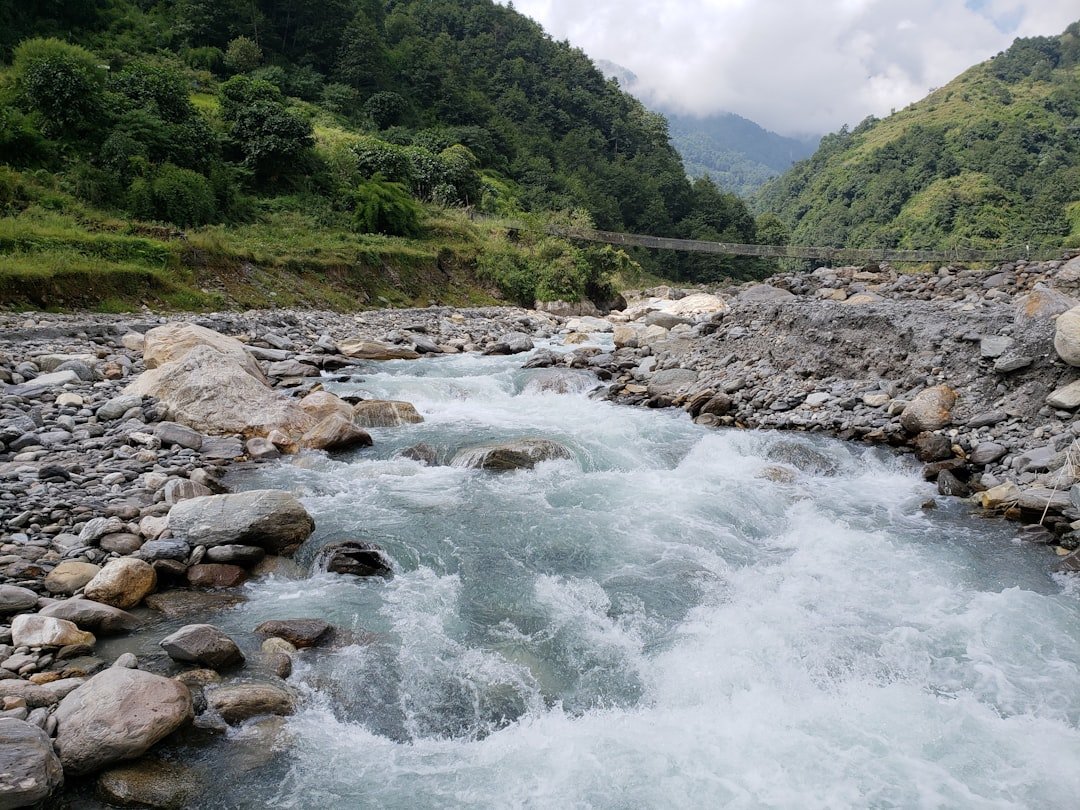
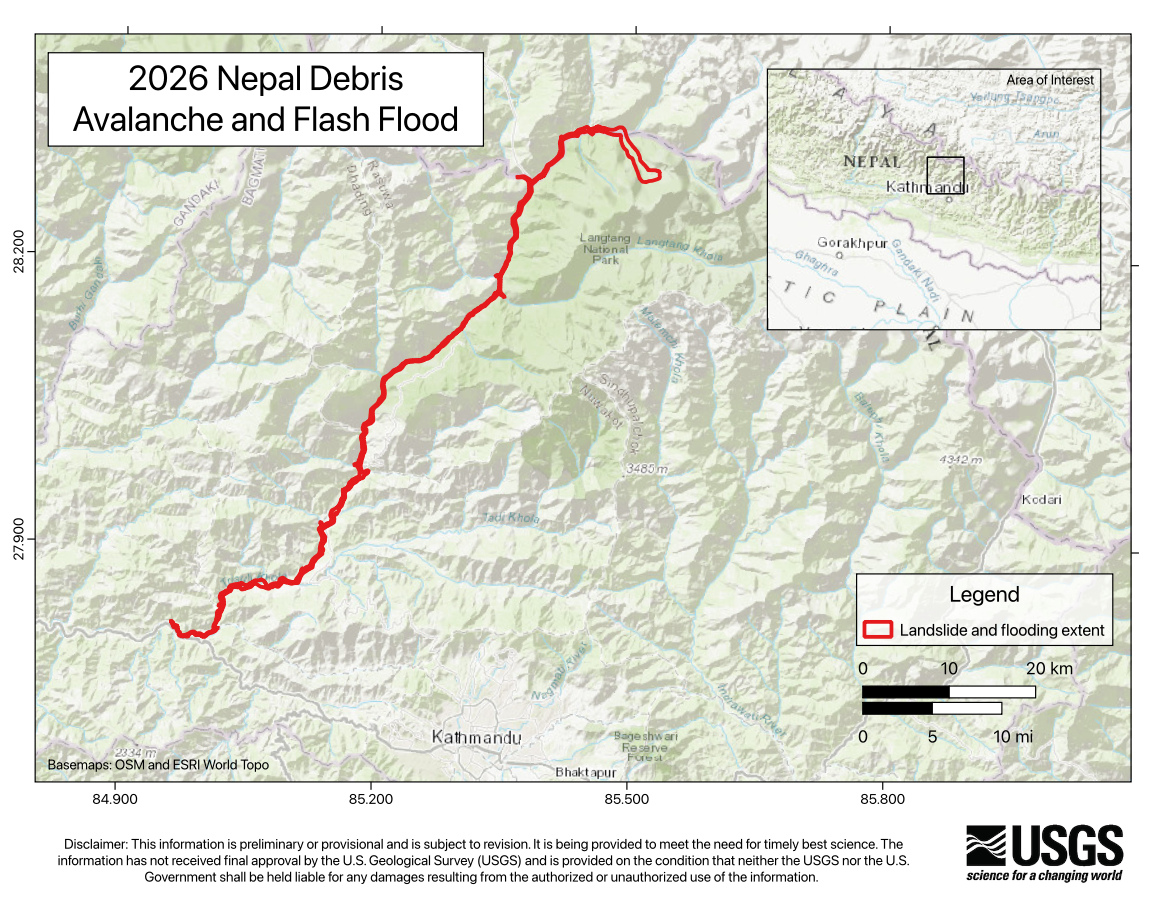
The August 26 catastrophe began in the upper Trishuli watershed near Nepal’s border with China. The U.S. Geological Survey said a rapid slope failure involving a glacier likely unleashed ice, rock, mud and water that travelled nearly 100 kilometres downstream. Settlements, roads, bridges and hydropower infrastructure were buried or swept away.
Reuters reported at least 1,252 deaths in Nepal and more than 4,200 people still missing as of Friday. The totals have changed as authorities receive information from remote communities, so figures reported by major news organisations do not always match. Tens of thousands of people have been displaced.
Officials believe roughly 900 workers may have been trapped in tunnels linked to six hydropower projects along the river. Search teams are operating in unstable terrain where blocked roads, thick mud and damaged communications have slowed access.
Inside the continuing Nepal tunnel rescue
The Nepali Army and police are leading the search with technical assistance from specialists from India, South Korea and China. Heavy machinery is clearing entrances while teams assess air pockets, water levels and structural risks before moving farther underground.
Engineers familiar with the hydropower sites have also been sharing tunnel plans and field updates through a WhatsApp group, Reuters reported. The informal network helps rescuers interpret layouts that may no longer match what they can see on the ground after the flood altered roads, portals and riverbanks.
The priority remains reaching places where dry chambers or airflow could have sustained survivors. Each attempt carries danger: crews must work through unstable debris without triggering further collapses or cutting off air to people who may be sheltering inside.
What happens next in the Nepal tunnel rescue
Search operations are continuing at Upper Trishuli 3A and other damaged hydropower sites. Authorities are expected to revise the numbers of missing and rescued people as teams enter previously inaccessible areas.
The Daily Vantage will update this report when Nepali authorities or multiple established news organisations confirm significant new rescues, casualties or changes in the operation.
Read the related China-Nepal flood search update and more reporting in our World section.
Sources and image credit
- Reuters: two workers pulled alive from the Upper Trishuli 3A tunnel
- Associated Press: rescuers heard voices before reaching the workers
- U.S. Geological Survey: public-domain disaster-corridor map
Updated September 4, 2026: This report was revised after authorities confirmed the rescue of two workers. Casualty and missing-person figures may change as searches continue.