Google’s Terradot carbon-removal deal matters because it links two climate problems—methane from flooded rice fields and long-term carbon removal—inside one large agricultural programme. The company says it will buy up to one million tonnes of methane-emissions reductions by 2030 and up to one million tonnes of permanent carbon removal by 2040 from work in southern Brazil. That makes the agreement a test of whether farm practices can produce climate benefits at a scale that corporate buyers will pay for.
At a glance
- Google has agreed to purchase up to 1 million tonnes of methane-abatement credits by 2030 and 1 million tonnes of durable carbon removal by 2040.
- The project is centred on rice farms in southern Brazil and combines water-management changes with enhanced rock weathering.
- The credits still need credible measurement, verification and safeguards for farmers; a purchase agreement is not the same thing as emissions already removed.
The Google Terradot carbon removal deal is not a claim that a new machine will capture two million tonnes tomorrow. It is a long-term offtake agreement: Google is committing to buy verified climate outcomes if Terradot and participating farms deliver them. Google described the agreement as its largest carbon-removal purchase to date, while Reuters reported that the programme is intended to reach rice-growing areas in Brazil at much larger scale.
What Google and Terradot are planning
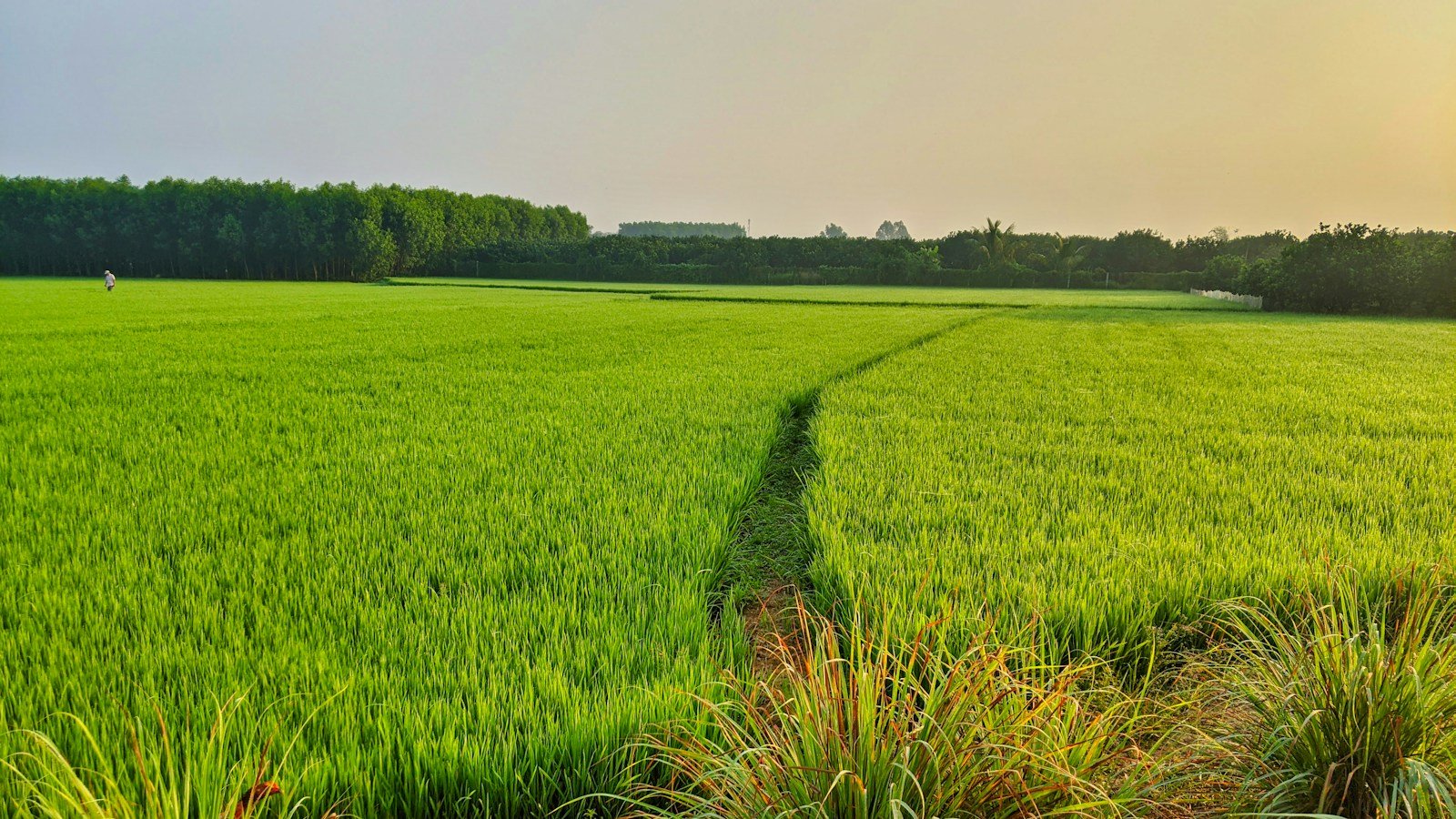
Rice cultivation can generate methane when fields remain flooded, because low-oxygen conditions encourage microbes that produce the gas. The programme is designed to help growers use alternative wetting and drying, a practice in which fields are not kept continuously flooded. The goal is to cut methane while preserving practical farm operations.
The second element is enhanced rock weathering. Terradot plans to use crushed volcanic rock on farmland. Over time, chemical reactions can convert carbon dioxide into stable forms. The attraction is that the same working landscape could address a near-term, powerful warming gas and a separate, longer-lived carbon-removal target.
Those are distinct climate claims and should be counted separately. Methane avoidance is normally expressed in carbon-dioxide-equivalent terms over a stated time horizon; permanent removal is a different outcome with different monitoring requirements. Readers should be wary of headlines that add the two together without explaining the method.
Why rice farms are central to this carbon-removal deal
The deal puts farms, not only direct-air-capture plants or forests, at the centre of a corporate climate purchase. That could make it useful if the measurements are robust: rice is grown across many regions, and water management has a direct connection to methane emissions. But it also makes execution harder. Water availability, yields, local extension services and the cost of changing practices vary from farm to farm.
Google says the project will use its Superpollutants effort alongside Terradot’s enhanced-rock-weathering work. The practical question is whether the measurement system can distinguish a real change from what would have happened anyway. Buyers, farmers and credit registries will need clear baselines, transparent field data and independent verification.
Why it matters
Corporate buyers increasingly need credible ways to deal with emissions that are difficult to eliminate quickly. The Google Terradot carbon removal deal is significant because it tries to create a durable demand signal for agricultural climate work, rather than treating it as a small pilot. If it succeeds, it could support a model in which farm practices are financed by verified climate outcomes. If monitoring is weak, it will reinforce concerns about carbon-credit quality.
The announcement also connects climate action to the resource demands of the technology sector. Data centres and AI services need large amounts of electricity, a pressure discussed in our analysis of power infrastructure for AI data centres. Purchasing credits does not replace cutting operational emissions, but the deal shows why major technology companies are pursuing both clean-energy procurement and removals.
What this could mean for South and Southeast Asia
Rice is an essential crop across South and Southeast Asia, including Bangladesh. That does not mean this Brazilian programme is being deployed locally, and no such claim should be made. The relevant lesson is narrower: any attempt to adapt similar water-management or soil-carbon approaches would need local evidence on yields, water control, farmer costs and credit integrity. A climate intervention that works in one rice system cannot simply be copied into another.
What happens next?
The next evidence will be operational rather than promotional: which farms participate, how outcomes are measured, who verifies them and whether farmers benefit fairly. Google’s stated 2030 and 2040 purchase horizons leave time for the model to be tested, but they also mean readers should distinguish a contracted target from a completed climate result.
Sources
- Google: Terradot partnership and targets
- Reuters: Google’s carbon-removal agreement
- Terradot announcement
Featured image: rice-field illustration photo by Tam Mai via Unsplash.