SoftBank-backed SB Energy has publicly filed for a proposed U.S. initial public offering, putting a company that combines power projects with AI data-centre development at the centre of the infrastructure race behind artificial intelligence. The filing does not guarantee an IPO or a valuation, but it gives investors a clearer view of an increasingly important question: who will build and finance the electricity, land and computing capacity that AI companies need?
At a glance
- SB Energy announced a public registration filing for a proposed U.S. IPO on September 2.
- Reuters reported on September 15 that it plans to offer up to $500 million of shares to Japanese investors alongside the proposed U.S. listing.
- The company’s case rests on executing long-lived power and data-centre projects—not simply on AI demand today.
What does SB Energy’s IPO filing mean?
SoftBank’s announcement said SB Energy had publicly filed a registration statement for a proposed initial public offering. A filing is an important disclosure step, but it is not a completed sale of shares. Timing, price, size and the possibility of the offering can all change.
Reuters reported that the company intends to sell up to $500 million of shares to Japanese investors as part of the wider process. It said the new capital is intended for general corporate purposes, including data centres, power generation and related infrastructure.
Why do AI data centres need power infrastructure?
AI models run in data centres packed with specialised chips, networking equipment and cooling systems. That makes electricity supply, grid connections and construction schedules as important as software in determining how quickly new computing capacity can come online.
SB Energy’s model brings those pieces together: power development and data-centre development. That is why the proposed listing matters beyond one company. The AI boom has made physical constraints—available electricity, equipment, permits, sites and financing—central to the competition between technology firms.
What investors should separate from the headline
Large infrastructure projects can have long lead times. Contracts, announced capacity and projected revenue are not the same as operating facilities or recognised revenue. Readers should distinguish between a company’s plans, its signed agreements, projects under construction and projects already generating income.
The IPO filing will be the document to watch for those details, including customer concentration, capital needs, debt exposure, construction milestones and risks to power supply. Those disclosures are more useful than a headline valuation when judging an infrastructure company.
Why it matters
AI investment is shifting from model launches alone to the systems that support them. Companies capable of delivering dependable power and data-centre capacity may become critical suppliers to cloud and AI businesses. But this also means the sector has execution risk: a delay in transmission, permitting or construction can hold up a much larger technology plan.
For investors, an AI-infrastructure IPO is not simply a bet on demand for chatbots or chips. It is a bet on years of project delivery, financing and operational reliability. For governments, the growth in power-hungry computing raises questions about grid planning, local energy prices and environmental impacts.
What happens next?
SB Energy would need to complete the regulatory process, set terms and decide whether market conditions support the offering. Its public filings and any amendments should be read alongside official announcements rather than treating reported targets as final.
For related reporting, see The Daily Vantage’s Technology coverage and Business News.
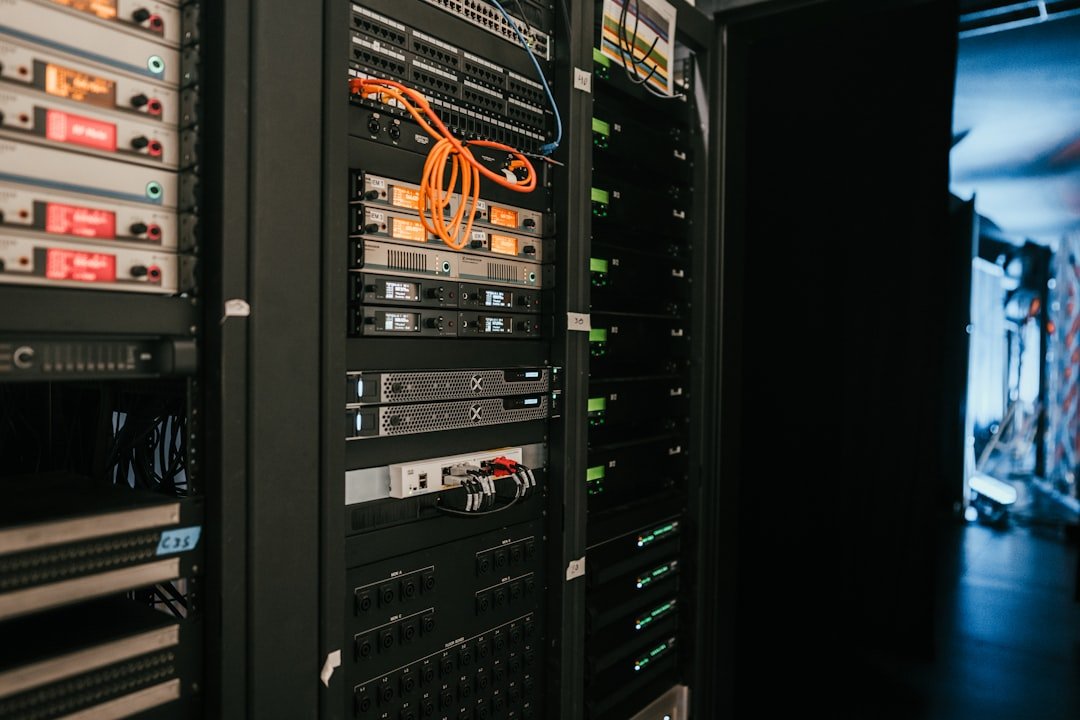
Featured image: Data-centre servers. Photo by Kevin Ache on Unsplash. Used illustratively.