Beijing will ban the possession and storage of drones within the city from November 15, 2026, extending restrictions that already cover unauthorised flights, sales and transport. Residents, businesses and visitors need to understand that the policy goes beyond a normal no-fly zone: keeping a drone or key components inside the capital will also be restricted.
At a glance
- The possession ban is due to take effect on November 15, 2026.
- Beijing already treats its entire administrative area as controlled airspace and restricts drone sales and transport.
- Authorities are providing routes for owners to sell, recycle or remove affected equipment before the deadline.
The new rules deepen one of the strictest urban drone-control systems in the world. Drones are widely used for photography, surveying, delivery experiments and industrial inspection, but they can also create risks around airports, government facilities, crowds and dense city centres.
What does Beijing’s drone-possession ban cover?
The Associated Press reported that the new rules prohibit possessing and storing drones inside Beijing from mid-November. The policy follows earlier measures that stopped sales and rentals to Beijing addresses and required real-name registration. Visitors are also barred from bringing drones into the city.
A public reminder citing the Beijing Public Security Bureau said the entire administrative area is controlled airspace and outdoor flights require prior approval. It also warned against carrying drones or core equipment into Beijing by plane, rail, bus or private vehicle.
The distinction between flight and possession is important. Many cities limit where a drone can be flown, especially around airports or sensitive sites. Beijing’s approach reaches further by restricting the device itself inside the city, even when the owner does not intend to fly it.
What should current drone owners do?
According to AP, authorities plan designated arrangements for owners to sell their drones, scrap and recycle them, or move them out of Beijing before the deadline. People affected should rely on current notices from local authorities because implementation details, eligible equipment and disposal procedures can change.
The rules may include drones as well as important components and controllers. Owners should not assume that dismantling a device automatically places it outside the restriction. Travellers should also check the policy before departure rather than arriving at a transport terminal with prohibited equipment.
Why is Beijing tightening drone controls?
Authorities have cited security and airspace-management concerns. Beijing is a dense political and administrative centre with sensitive facilities, major transport systems and large public events. The policy also follows a fatal June incident in which a small aircraft struck a skyscraper, although that aircraft was not simply described as an ordinary consumer drone.
China has a large and globally important drone industry, so the capital’s policy should not be read as a nationwide ban on drone ownership. Other parts of China allow lawful drone operations subject to registration, airspace and operational rules. Beijing’s restrictions reflect the capital’s particular security environment.
What happens to legitimate professional uses?
Earlier rules included tightly controlled exceptions for approved public-safety, research and institutional activity. Anyone seeking an exception should obtain explicit authorisation instead of relying on a general business or educational purpose. The policy’s practical effect will depend on how permits and enforcement are handled.
Why it matters
The rule is a significant test of how far a major city will go to control small aircraft. It may influence debates elsewhere about whether registration and no-fly zones are sufficient, or whether authorities should restrict possession in particularly sensitive areas.
Does it affect Bangladesh or South Asia?
The rule applies to Beijing, not Bangladesh. Its direct regional impact is on South Asian travellers, companies and media crews entering the Chinese capital: they should not carry drones or related equipment without confirming official permission. It does not change Bangladesh’s own aviation rules.
Sources
- Public reminder citing Beijing Public Security Bureau drone rules
- Associated Press: Beijing bans drone possession from mid-November
Follow related developments in Technology and World News.
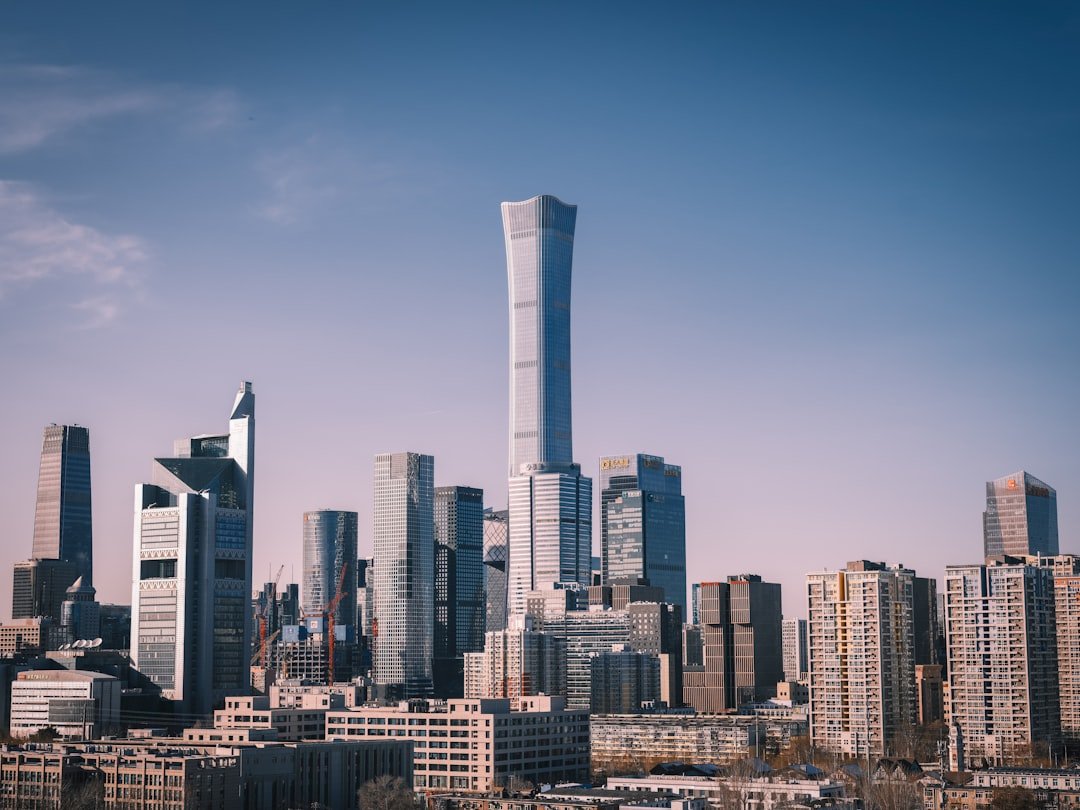
Featured image: Beijing skyline. File photograph by chen zy via Unsplash.