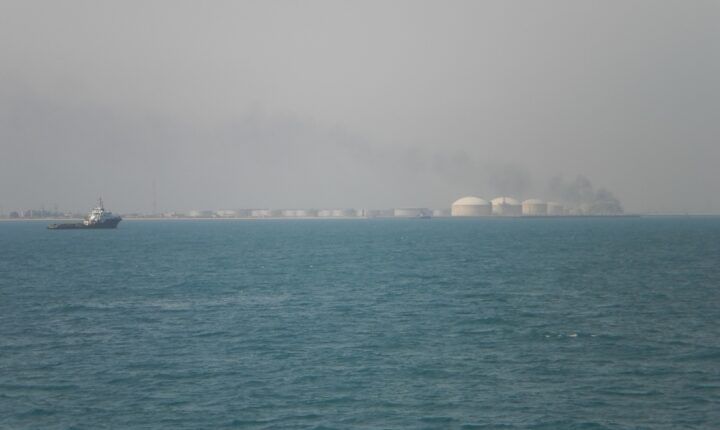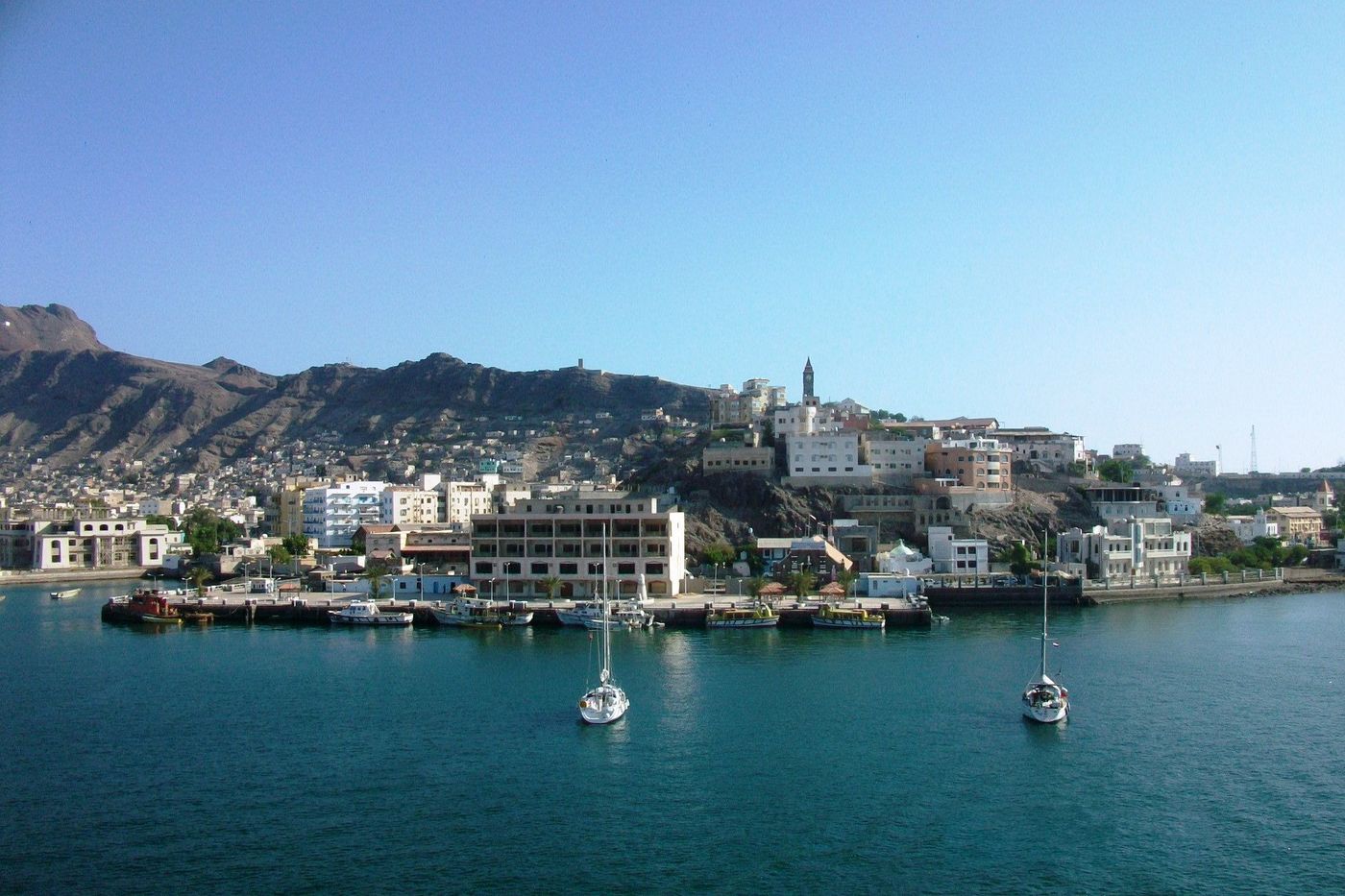
Yemen’s government gave up its last positions near the Bab al-Mandab Strait on Sunday, and the Houthi advance that followed has put the group’s fighters between 60 and 100 km from Aden. Yet oil traders barely flinched. Brent crude actually fell 2.32% to $93.62 on Monday morning, according to OilPrice.com. That gap between the battlefield and the market is the real story. The retreat changes a great deal for Aden and for Saudi Arabia. For most ships using the strait, however, it changes surprisingly little.
The Southern Armed Forces, which fight for the internationally recognised government, said they were pulling troops out of Dhubab Airport and the strait area west of Taiz. Their stated goal was “securing the capital, Aden, and the neighbouring governorates,” as Reuters reported via NBC News. Houthi-run media then said the group had taken the evacuated ground.
Three Distances to Aden, Three Different Front Lines
Readers following the coverage have seen the Houthis placed 60, 80 and 100 kilometres from Aden. None of these figures is wrong. Instead, each one describes a different point on a front that now bends from the mountains of Lahj down to the coast.
| Reported position | Distance from Aden | Who said it | What it tells you |
|---|---|---|---|
| Al-Kharaz camp, Al-Madaribah district (Lahj) | About 60 km | Four military and two government sources to AFP, Nov 15 | The closest inland point; the mountain route towards the city |
| Tor al-Baha | About 80 km | Brig-Gen Hassan Jouni to Al Jazeera, Nov 16 | Where Aden’s outer defensive zone begins |
| Khor Omairh (coast) | About 100 km west | Yemeni military sources to Reuters, Nov 16 | The coastal push from Dhubab; 25 km short of government lines at Qawah |
Put together, the numbers show the Houthi advance as a pincer rather than a single column. Inland, government sources told AFP that the Houthis had seized the Al-Maqatirah and Al-Madaribah districts, France 24 reported. Along the shore, meanwhile, fighters moved east from Dhubab towards Khor Omairh. The coastal thrust is the slower of the two, but it matters because it threatens the government’s supply routes along the sea.
Retired Lebanese Brigadier-General Hassan Jouni told Al Jazeera that the fight now centres on a mountainous triangle linking Aden, the besieged city of Taiz and the strait. In his words, “the defence of the city of Aden begins in this area.”
Why the Houthi Advance Barely Moved Ship Traffic
The muted market reaction to the Houthi advance makes sense once you look at who still uses the strait. The Houthis have held most of Yemen’s Red Sea coastline since a September offensive that took the port of Mocha. So the new ground mostly confirms control they already had.
Analysts told AGBI the shift is largely symbolic for shipping. Hannah Porter of ARK Group called the government’s recent push along the coast “almost performative.” She added that the retreat is “just an acknowledgement that the Houthis control this territory.” Mohammed Al-Basha of Basha Report Risk Advisory made the same point.
Crucially, the Houthis say they pose no threat to general traffic and are targeting Saudi vessels only. Kpler data cited by AGBI show that ships from other countries still use the waterway. Saudi imports have not noticeably fallen either, although freight costs have gone up.
Scale explains why this matters. In normal times, the strait carries around 12% of global trade and between 70 and 150 ships a day, BBC security correspondent Frank Gardner wrote. At its narrowest point, it is only about 20 km wide.
Saudi Arabia’s Yanbu Workaround Is the Real Target
The pressure from the Houthi advance falls hardest on one country. When the US and Israel went to war with Iran in February, Tehran choked off much of the oil leaving the Gulf through the Strait of Hormuz. As a result, Riyadh switched to a Plan B. It pumped crude west through the East-West Pipeline to the Red Sea terminal at Yanbu, which has since become the kingdom’s main export hub.
That pipeline can carry up to 7 million barrels a day, OilPrice.com noted, citing The National. However, tankers carrying Yanbu crude to buyers in Asia still have to pass through Bab al-Mandab. Saudi ships have avoided the strait entirely since July, according to Kpler. In other words, the Houthis do not need to close the strait to squeeze Riyadh. They only need to make it unsafe for Saudi cargoes.
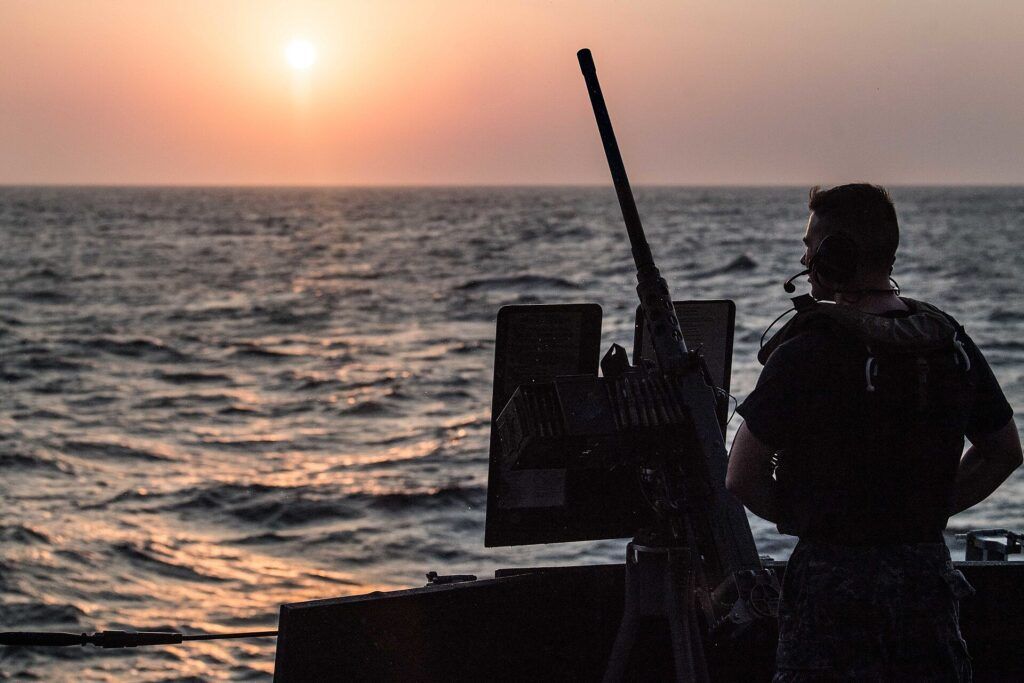
The group is also hitting the route at its source. Houthi spokesman Yahya Saree said on Thursday, November 12, that fighters struck Pumping Station No. 7 on the pipeline and the Yanbu facility itself. Those claims echo earlier ones that proved hard to check, such as the October claim of a missile strike on Ras Tanura, which Saudi authorities never confirmed. The group’s stated rule is “siege for siege, airport for airport, and escalation for escalation.”
How a Yemeni Front Line Reaches Fuel Bills
For readers far from the Red Sea, the link runs through prices. Oil above $90 feeds into fuel and freight costs, which then show up in figures like October’s hot US inflation reading and the rate decisions that follow. Longer-term supply questions, such as Norway’s court ruling on three North Sea fields, sit in the background of the same market.
Riyadh Replaced Its Commander Within a Day
Saudi Arabia’s response to the Houthi advance came quickly. On Monday, a royal decree from King Salman moved coalition commander Lieutenant General Fahd bin Hamad Al-Salman into an advisory role at the defence ministry. Meanwhile, Chief of the General Staff General Fayyad Al-Ruwaili took over the joint forces as well, Reuters reported. Two Western diplomats linked the change directly to the battlefield.
The government side has deeper problems, too. Analyst Mohammed Al-Qadhi told Reuters that the Houthis were benefiting from “an accumulation of years of disagreements and infighting” among their rivals. “The government was aiming to recapture Sanaa, but now they are defending Aden,” he said.
Can the Houthi Advance Reach Aden Itself?
Aden is a city of roughly 1.25 million people. It has been the government’s seat since the Houthis took Sanaa in 2014. The group tried and failed to capture it in 2015, and it attacked the presidential palace there on October 15, killing four people, according to government military sources quoted by AFP.
Views on the risk differ sharply. Nicholas Hopton, a former British ambassador to Yemen and Iran, told the BBC that the world “should be worried,” because the fall of Aden would escalate the regional crisis. Al-Basha, by contrast, thinks a direct assault is unlikely. He said attackers crossing the flat coastal plain would be exposed to air power. Instead, he believes the Houthis “appear to be seeking a negotiated surrender” by exploiting divisions among southern factions.
Inside the city, preparations for the Houthi advance are visible. Government forces have been filling sandbags and digging tunnels, AFP reported. Residents told Reuters there are more checkpoints and identity checks. Still, one government employee said food and fuel remain available. “People are worried about the retreat of government forces,” he added.
Signals That Show Where the Houthi Advance Goes Next
Four markers will tell readers whether the push is stalling or speeding up:
- The Qawah line: Reuters put Houthi fighters 25 km from government positions there. A breach would open the coastal road east towards Aden.
- Taiz: the government-held city is already encircled. Its fate decides who holds the mountain triangle Jouni described.
- Yanbu and the East-West Pipeline: any confirmed damage would hit Saudi exports harder than the loss of Dhubab did.
- Freight rates for non-Saudi ships: if they start climbing sharply, the market has decided the Houthis’ “Saudi-only” promise no longer holds.
For now, the evidence points one way. The strait has not closed and most ships still pass. But Saudi Arabia’s escape route from the Hormuz crisis now runs past a coast held almost entirely by its enemy, and that is the part of this war oil markets may still have to price in.