
TikTok has spent years sending crowds to pancake counters and hard-to-book trattorias. On Wednesday, it started trying to keep that traffic inside the app. TikTok Must Eat, a new restaurant guide, now ranks places in New York City, Los Angeles and the San Francisco Bay Area using more than 40 million food posts, reviews and comments from its own users.
The launch, first detailed by The Verge, puts TikTok in direct competition with Yelp and Google Maps. However, the guide works very differently from both, and several basic questions about how it ranks restaurants are still unanswered.
What TikTok Must Eat does inside the app
Must Eat is a dedicated section of TikTok rather than a separate app. According to TechCrunch, people can reach it from the search bar, the Local feed, individual restaurant pages and the location links attached to videos about participating restaurants.
Once inside, users browse by city. They can then filter by cuisine, price, rating, distance and whether a place is open right now. Each restaurant page links back to the TikTok videos made about it. Users can also leave their own reviews, call the restaurant, save it for later and see nearby spots on a map.
For some restaurants, booking happens without leaving the app. TechCrunch reports that select venues take reservations through OpenTable, so a diner can go from a viral clip to a confirmed table in a few taps.
Everyday Eats and Elevated Dining
TikTok Must Eat splits every city into two tabs. Everyday Eats covers casual favorites and neighborhood regulars, while Elevated Dining is meant for birthdays, anniversaries and big nights out.
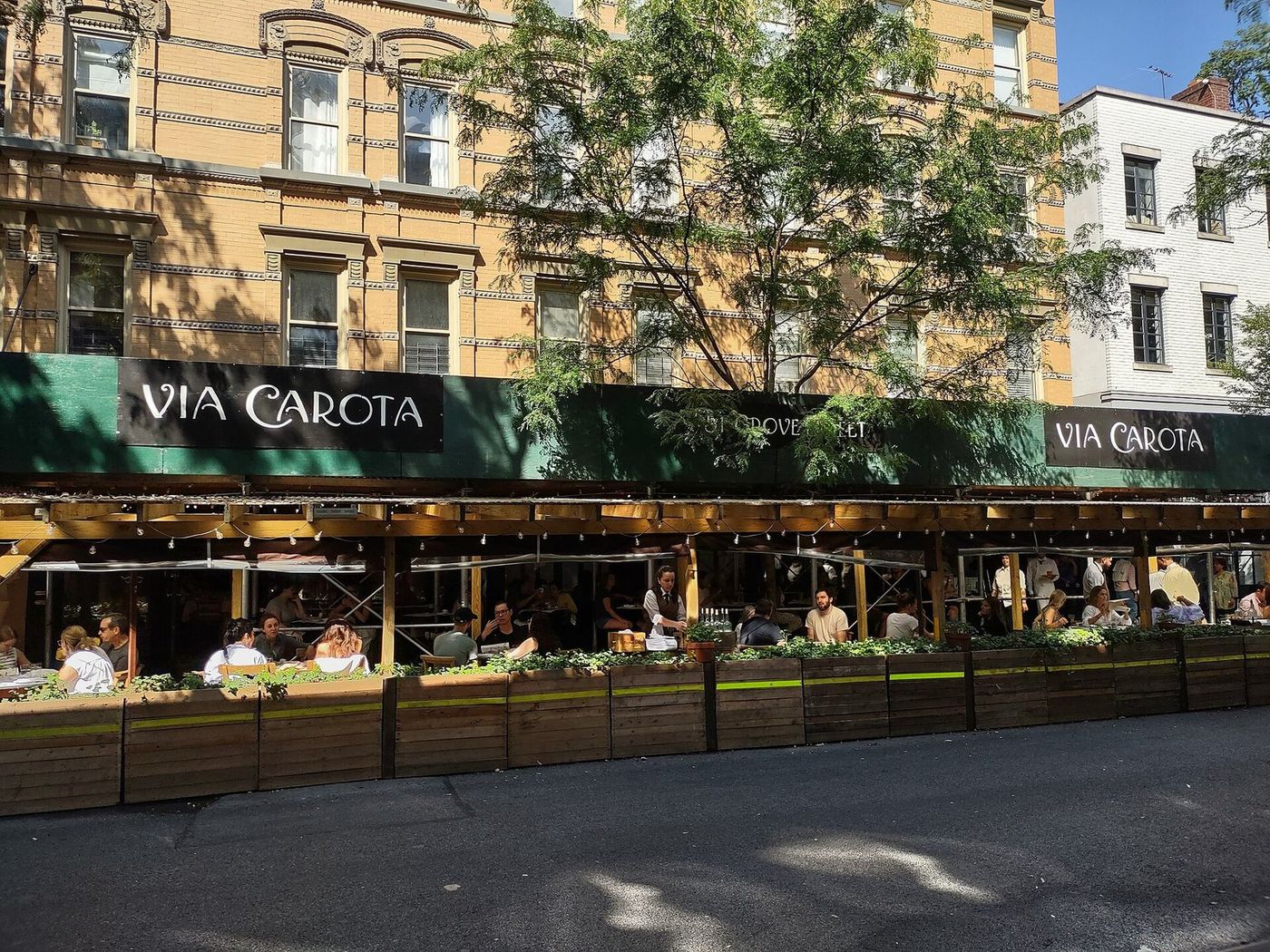
The early New York picks show both ends. The Verge named Golden Diner, known for its much-filmed pancakes, along with Semma and Via Carota, two restaurants where tables are notoriously hard to get. TikTok has not published full city lists for Los Angeles or the Bay Area in the launch coverage we reviewed, so we are not guessing at them here.
How it compares with Yelp, Google Maps and critics
The Verge described Must Eat as sitting somewhere between Yelp and curated guides such as The Infatuation. That framing is useful, because the main difference is where the recommendations come from.
| Question | TikTok’s guide | Yelp and Google Maps | Critic-led guides |
|---|---|---|---|
| Where picks come from | Videos, comments and reviews posted on TikTok | Written reviews, star ratings and listings | Editors and critics |
| What you see first | Short videos of the food and the room | Photos, ratings and text | Long-form reviews and lists |
| Booking | Select restaurants via OpenTable | Reservations available for many listings | Usually links out |
| Paid placement | TikTok says restaurants cannot pay to be listed | Both sell advertising to businesses | Varies by publication |
| Coverage at launch | NYC, LA and the Bay Area | Nationwide and international | Mostly major cities |
Video is the main advantage of TikTok Must Eat. A star rating tells you that people liked a place. In contrast, a 30-second clip shows you the portion size, the line outside and the noise level. On the other hand, Yelp and Google have years of review history and listings almost everywhere, while Must Eat starts in just three metro areas.
The no-pay promise and the open questions
TikTok says restaurants cannot pay to appear in the recommendation lists. That matters, because trust is the whole product for TikTok Must Eat.
Still, the company has not explained in detail how a restaurant earns its spot. For example, it is not clear how heavily views count compared with comments, or how the system treats sponsored creator videos, which are common in food content. It is also unclear how TikTok will handle fake reviews and comment brigades, a problem every review platform eventually faces. Clearer answers on those points would make the rankings far easier to judge.
What TikTok Must Eat means for food creators
For FoodTok creators, the guide is a mixed deal. On the plus side, their videos sit directly on restaurant pages, so a good review can keep finding viewers long after it leaves the For You feed. Creators such as Keith Lee have already shown how one video can fill a small restaurant, as Tubefilter noted in its launch coverage.
On the other hand, none of the launch coverage mentions a commission or payout for creators when a viewer books a table through the app. In practice, creators supply the content that powers the rankings, while the booking relationship runs between TikTok, OpenTable and the restaurant. That is worth watching, especially as TikTok pushes more shopping and booking tools, from its shopping assistant and Buy Direct checkout to travel bookings.
Why TikTok is pushing into local discovery
TikTok Must Eat is not a one-off experiment. Earlier this year, TikTok added TikTok Go, which lets creators tag hotels and attractions so viewers can book them in the app. The Verge calls Must Eat an expansion of that same idea. It also builds on TikTok’s recent push into smarter search.
TikTok also has a commercial story to tell. In its press release, the company said 27 million US diners visited a restaurant, cafe or shop for the first time because of TikTok last year. Tubefilter adds that TikTok tied this activity to an estimated $4.7 billion in local spending. Those are company figures, not independent measurements. They follow the same pattern as TikTok’s earlier claim of an $81 billion US economic impact, which we examined in October.
Meanwhile, the timing fits a broader change at the top. TikTok now operates in the United States through a joint venture, and US chief executive Adam Presser presented Must Eat as a product built from “all of the conversation that’s happening on the TikTok platform across creators, restaurateurs, [and] individuals.”
Three things to check before trusting TikTok Must Eat
If you live in one of the launch cities, the guide is worth a look, especially for casual spots that rarely get critic coverage. Even so, a few habits will help.
- Watch more than one video. A single viral clip can be staged or sponsored, so look for a pattern across several posts.
- Check the date. Menus, prices and chefs change, and an old video may not reflect today’s kitchen.
- Compare the reviews. Use the in-app comments alongside another source before booking a special-occasion dinner.
No date has been given for TikTok Must Eat to reach other cities. For now, the experiment is limited to three of the most food-obsessed markets in the country, which will make them a useful test of whether viral buzz can work as a reliable restaurant guide.