China missile test concerns united most Pacific Island leaders, but Nauru dissented from their regional statement. The position stopped short of a unanimous condemnation.
The statement emerged from the Pacific Islands Forum leaders’ meeting in Palau, where the region’s governments were weighing how to respond to a missile test that has sharpened worries about military competition across the Pacific.
Leaders called for states conducting intercontinental ballistic-missile tests to provide clearer reassurance and advance notice, Reuters and the Associated Press reported. The forum’s position matters because its members usually work by consensus, making the public disagreement unusual.
China missile test: what the forum agreed
The final position expressed concern about the test and pressed for greater transparency. It did not amount to a collective, stronger condemnation, and it did not secure the full backing of every member.
Nauru dissociated itself from the statement. Kiribati was not represented in the leaders’ retreat where the language was agreed, according to reporting by the Associated Press. New Zealand Prime Minister Christopher Luxon said the disagreement should not prevent the majority of Pacific governments from expressing their view.
For small island countries spread across a vast ocean, missile activity and inadequate warning are not abstract questions. The issue touches aviation and maritime safety, regional stability and the ability of governments to avoid being drawn into rivalry between larger powers.
Why disagreement over the China missile test matters
The Pacific Islands Forum brings together countries and territories with different security ties and diplomatic relationships. Those differences have become more visible as China, the United States, Australia and other partners increase their attention to the region.
China has said its defence policy is defensive and has rejected criticism of its conduct around the forum. Beijing also objected to Taiwan’s participation at the meeting, adding to tensions surrounding the summit.
The missile test had already exposed divisions among Pacific governments in August, when foreign ministers were unable to agree on a common response. The leaders’ statement is therefore a step beyond that earlier deadlock, but it also shows the limits of regional unity when members take different positions.
What the China missile test means next
The immediate question is whether the forum’s call for transparency leads to clearer advance-notification practices for future missile tests. The broader question is whether Pacific governments can maintain a common approach as strategic competition intensifies around them.
For readers following the story, the key distinction is important: the forum did express concern, but it did not deliver a unanimous rebuke. That nuance will shape how the statement is read in Beijing, Washington, Canberra and Pacific capitals.
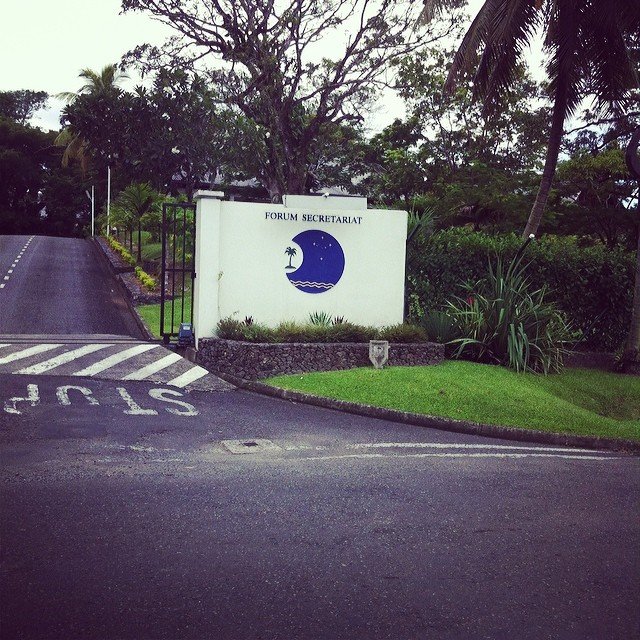
Featured image note: The image shows the Pacific Islands Forum Secretariat in Suva, Fiji. It is a licensed context image and does not depict the 2026 summit or the missile test.
Read more World coverage from The Daily Vantage.