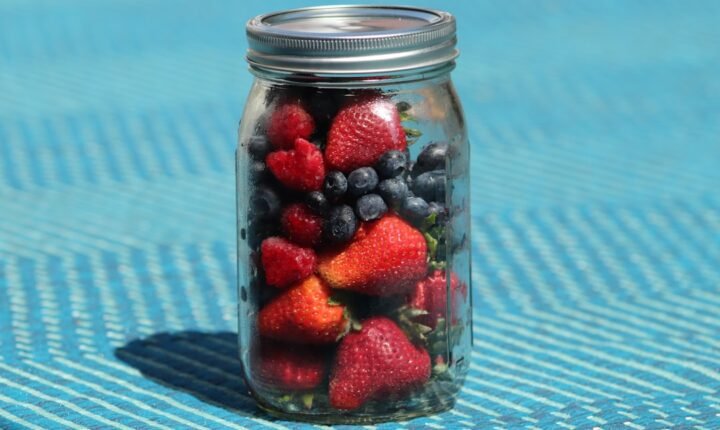
A high-fiber breakfast for weight loss should be a meal you enjoy, can prepare regularly and can fit into your overall eating pattern. Oats with yogurt and fruit, beans with eggs, or dal with whole-wheat roti are useful starting points. Fiber-rich ingredients do not make a meal calorie-free, and adding breakfast does not automatically cause weight loss.
Compare five breakfast ideas · How much fiber? · The 2026 trial · Common questions
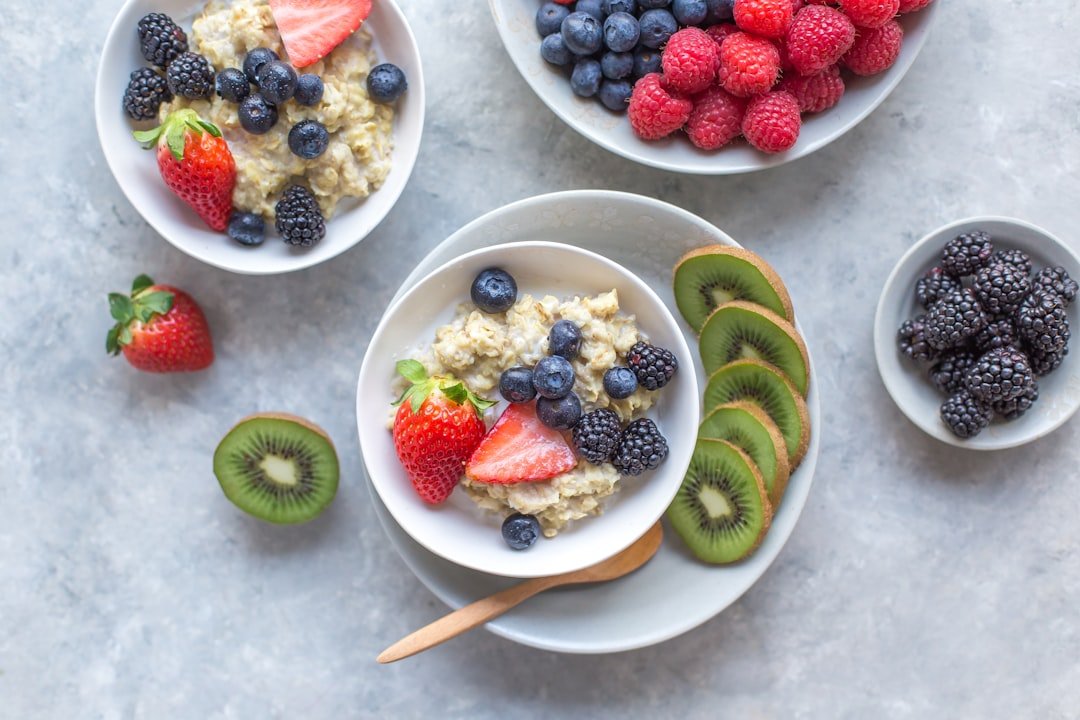
Five high-fiber breakfast ideas to compare
Start with a familiar meal, then identify its fiber source and protein source. These are flexible meal combinations, not a fixed diet plan. Portions should reflect your appetite, health needs and the rest of the day’s food.
| Breakfast | Starting portion | Fiber source | Protein source |
|---|---|---|---|
| Strawberry overnight oats | 40 g oats, 120 g Greek yogurt, 80 ml skim milk, 5 g chia and 75 g strawberries | Oats, chia and fruit; approximately 7 g fiber | Greek yogurt, milk and oats; approximately 22 g protein |
| Beans, egg and toast | 1/2 cup cooked beans, 1 egg and 1 slice whole-grain toast | Beans and whole-grain bread | Beans and egg |
| Dal with whole-wheat roti | 3/4 cup cooked dal, 1 small roti and a side of vegetables | Lentils, whole-wheat flour and vegetables | Lentils; add plain yogurt if wanted |
| Yogurt, fruit and cereal bowl | 170 g plain Greek yogurt, 1 portion fruit and a measured serving of bran cereal | Fruit and cereal; check the cereal label | Greek yogurt |
| Tofu and bean breakfast bowl | 100 g tofu, 1/2 cup cooked beans and a serving of vegetables | Beans and vegetables | Tofu and beans |
1. Overnight oats for a morning with no cooking
Mix the oats, yogurt, milk and chia the night before and refrigerate; add strawberries when serving. Our overnight oats for weight loss recipe includes the exact method, storage guidance and an ingredient-by-ingredient nutrition estimate. The base jar is approximately 300 calories; extra toppings change that total.
2. Beans, egg and toast for a savory breakfast
Warm cooked beans with tomatoes, black pepper and herbs, then serve beside a cooked egg and whole-grain toast. Beans do much of the fiber work here; eggs provide protein but no fiber. If using canned beans, compare labels for salt and drain or rinse where appropriate. Include cooking oil and butter when estimating the meal’s calories.
3. Dal and roti when you want familiar staples
A thick lentil dal with a small whole-wheat roti can be an affordable alternative to imported cereal or berries. Add cooked vegetables or a cucumber-and-tomato side. A watery dal and a thick dal can contain very different amounts of lentils per bowl, so cup size alone does not tell you its protein or fiber. The amount of oil or ghee also changes the meal’s energy content.
4. A yogurt bowl when you have five minutes
Use plain yogurt, chopped fruit and a cereal that lists whole grains or bran prominently. Measure the cereal according to its label instead of treating a large bowl as one serving. Ordinary dairy yogurt supplies little or no fiber: the fruit and cereal make this a fiber-rich combination. Dairy-free yogurt varies widely in protein, so compare products.
5. Tofu and beans for a dairy-free option
Cook crumbled tofu with beans and vegetables, adding spices you enjoy. Choose already-cooked beans for convenience and measure the cooking oil. You can use leftover vegetables, but store and reheat them safely. If legumes are new to your routine, begin with a smaller serving and increase as tolerated.
How much fiber should breakfast contain?
There is no universal breakfast-specific fiber target. The World Health Organization’s healthy-diet guidance recommends at least 25 g of naturally occurring dietary fiber per day for people older than 10. That is a daily target, not an instruction to eat it all at breakfast.
For planning the meals above, roughly 6–10 g at breakfast can be a useful starting range for someone who tolerates it. This is a practical allocation across meals, not a trial-proven threshold for weight loss. Increase gradually and drink fluids rather than making a sudden large change.
The oat recipe shows how smaller contributions add up: 40 g dry oats provides about 4 g fiber, 5 g chia about 1.7 g, and 75 g strawberries about 1.5 g. These are rounded food-composition estimates. Milk and yogurt add protein but essentially no fiber. For packaged foods, multiply the label’s fiber per serving by the number of servings you actually use.
What the 2026 breakfast trial found
A British Journal of Nutrition trial published on 11 February 2026 studied 19 adults with overweight or obesity. Each completed two 28-day calorie-restricted diets in randomized order, with all food supplied. Both allocated 45% of calories to morning meals, 35% to afternoon meals and 20% to evening meals.
- Higher-fiber diet: Average weight loss was 4.87 kg.
- Higher-protein diet: Average weight loss was 3.87 kg, with better reported appetite suppression.
- Gut findings: Some bacterial groups increased in relative abundance on the higher-fiber diet.
The key limitation: This tested whole diets, not a breakfast swap alone. Both used early calorie loading, so the comparison cannot isolate meal timing. Nineteen participants and short treatment periods cannot establish long-term results. Neither these meal ideas nor our oat recipe was tested. The reported losses are study averages, not targets or predictions for readers.
How to choose a breakfast you can keep eating
- Choose the practical option. Use oats if overnight preparation helps, or dal, eggs or tofu if you prefer something savory.
- Pair a fiber food with protein. Compare what is actually on the plate rather than choosing by a “healthy” label.
- Count the additions. Oil, ghee, nuts, granola and sweeteners can change a meal substantially. They can fit; use portions you understand.
- Notice the result. Consider hunger before lunch, digestive comfort, cost and preparation time. Adjust the meal instead of forcing yourself to repeat an unsatisfying portion.
Weight management depends on the whole eating pattern, not the health reputation of one meal. The NHS guide to a balanced diet provides a broader framework that includes whole grains, fruit, vegetables and protein foods.
Frequently asked questions
Is fiber or protein better for breakfast?
You do not need to choose one exclusively. Legumes provide both; oats with yogurt combine different sources. A useful breakfast can include both nutrients while fitting your appetite and total food intake.
Are eggs a high-fiber breakfast?
Eggs contain no dietary fiber. Add beans, vegetables, fruit or whole grains if you want a fiber-containing meal alongside them.
Can a high-fiber breakfast reduce belly fat?
No breakfast can selectively remove abdominal fat. A satisfying meal may help you follow a sustainable eating pattern, but this article’s recipes are not proven treatments for belly fat.
What if more fiber makes me bloated?
Increase the amount gradually and spread fiber foods across meals. Persistent symptoms or a prescribed restricted-fiber diet need individual advice from a qualified clinician or dietitian.
Browse Healthy Living for related food and nutrition coverage. This article provides general information, not personal medical advice. Its meal suggestions are editorial examples, not a dietitian-prescribed plan.