Europe’s AI infrastructure gap is now a strategic economic issue, not simply a technology-sector problem. On September 14, European Central Bank President Christine Lagarde warned that relying on imported AI systems could leave Europe exposed if access or terms change. Her central point is practical: economies that depend on AI for payments, healthcare, logistics and public services also depend on the computing capacity and models behind those services.
At a glance
- Lagarde said Europe needs more domestic computing capacity and AI systems that can run on European infrastructure.
- She said Europe’s data-centre capacity is already too small for demand and the gap could widen sharply over the next decade.
- The argument is about resilience and productivity, not cutting Europe off from trade or research partners.
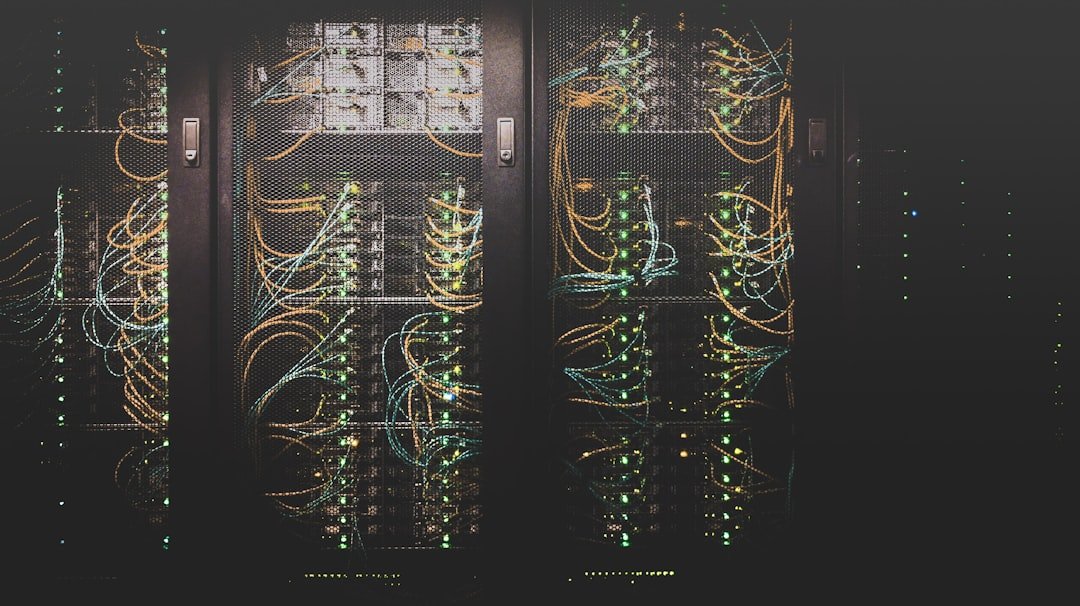
Featured photo: data-centre cabling and equipment. Photo by Taylor Vick on Unsplash.
What did Lagarde say about Europe’s AI infrastructure gap?
In a speech in Vienna, Lagarde said AI is likely to become embedded across ordinary economic functions: screening goods, handling payments, dispatching transport and supporting care. That makes access to computing capacity, cloud services and models a form of infrastructure. Reuters reported that she warned a withdrawal of access or a change in terms could affect many sectors simultaneously.
Her remedy was not technological isolation. It was a larger European base of data centres and “good enough” models for many domestic uses. That would give institutions and firms a credible alternative if a supplier changes prices, service conditions or availability.
Why does AI infrastructure matter as much as AI models?
A model is only useful if it can be trained, run and connected to real services. That means chips, reliable electricity, high-speed networks, cloud capacity, security teams and skilled operators. A country can have promising AI researchers yet remain dependent if the underlying computing stack is elsewhere.
Lagarde said faster AI adoption could raise productivity by as much as 4% over a decade. That is an estimate, not a forecast, and gains will depend on adoption, competition, energy supply and workforce skills. But the message is clear: infrastructure determines whether productivity benefits can be captured locally.
What happens next for Europe?
The policy debate will centre on permitting and powering data centres, financing compute, improving cross-border cloud capacity and supporting firms that can deploy trusted systems. The European Commission has already proposed a European approach to cloud and edge computing; Lagarde’s intervention adds a central-bank view of the economic exposure.
Europe also faces trade-offs. More data centres require large amounts of power, land, water management and capital. Policymakers will need to weigh those demands against decarbonisation goals and local grid limits. A credible strategy therefore needs more than announcements: it needs power connections, transparent procurement and standards that allow systems to work across borders.
Why it matters
The Europe AI infrastructure gap illustrates a wider lesson for governments and businesses: AI policy is increasingly infrastructure policy. The organisations that can choose between suppliers, host sensitive workloads responsibly and keep services running during disruption have more bargaining power than those with only one route to compute.
For readers following the global build-out, see our reporting on why AI data centres need power infrastructure and the Qualcomm–Amazon AI chip deal.