Volcanic ash from Anak Krakatau disrupted Jakarta’s Soekarno-Hatta airport on September 6, 2026. Reuters later reported 964 affected flights there, beyond the early 209-flight count.
Archive update, October 2, 2026: The figures below describe the September disruption. They do not establish whether an airport is closed today.
The closure at Soekarno-Hatta International Airport shows how volcanic ash can disrupt aviation far from an eruption site. Indonesian authorities extended the suspension while monitoring conditions. Meanwhile, travellers were advised to check directly with airlines because flight plans could change.
Anak Krakatau eruption disrupts Jakarta flights
Reuters and the Associated Press reported that the eruption began late Friday and that ash was detected near the airport on Sunday. The early 209-flight estimate was superseded as closures continued.
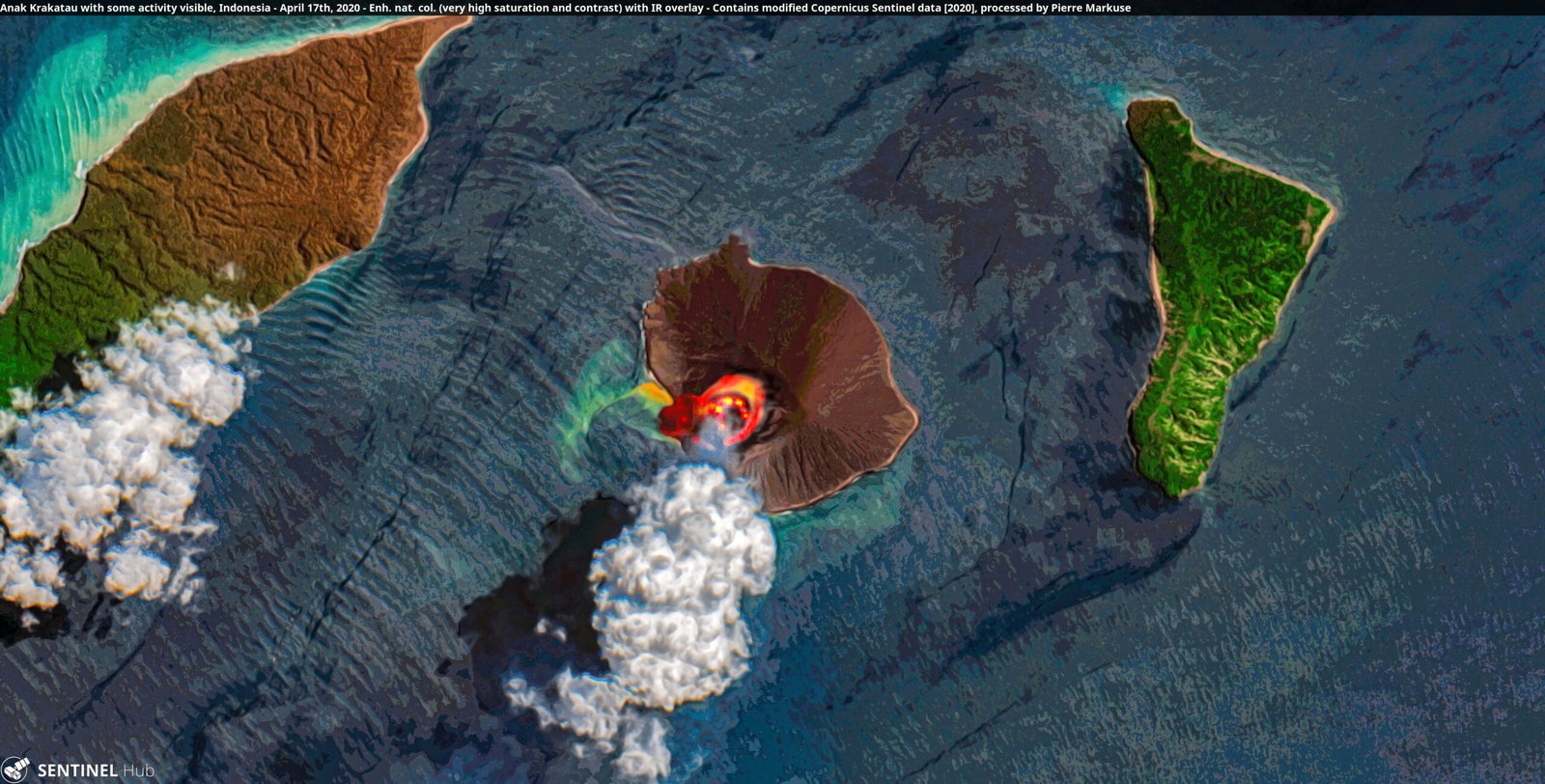
The reports said ash plumes reached as high as 50,000 feet in some areas. Volcanic ash can damage aircraft engines and reduce visibility. Therefore, airport and aviation authorities may restrict operations even when an airport is far from the volcano.
How the disruption developed
- September 6: Reuters’ updated report put the impact across eight airports at more than 1,500 flights and 170,000 passengers.
- September 7: Reuters reported seven airports remained closed, with 2,961 cancelled, diverted or delayed flights affecting around 341,000 travellers. These are different reporting snapshots, not figures to add together.
Checking your Jakarta flight today
Use your airline’s booking or flight-status page and the airport’s current notices before travelling. Ask the airline about rebooking if your service is affected. This archive report is not a live departures board.
What Indonesian authorities said
Authorities advised people to stay outside a three-kilometre exclusion zone around Anak Krakatau. Reuters reported that Indonesia’s disaster mitigation agency found no immediate tsunami threat. Schools and fishing activity were also disrupted in areas affected by ash, according to Reuters.
Initial reports listed no casualties or evacuation order. However, the operational impact was significant because Soekarno-Hatta is Indonesia’s principal international gateway.
Why Anak Krakatau is closely watched
Anak Krakatau lies in the Sunda Strait between Java and Sumatra, within the seismically active Pacific Ring of Fire. The volcano formed in the caldera left by the 1883 Krakatau eruption. In 2018, an eruption and flank collapse triggered a deadly tsunami in the surrounding region.
Sunday’s disruption does not by itself indicate that a tsunami is expected. Instead, it underlines why aviation, weather and disaster authorities closely track the volcano’s ash plume and surrounding conditions.
Read more reporting in The Daily Vantage’s World section.