

Pinterest now allows brands to promote eligible Pins made by creators even when the brand and creator do not already have a paid-partnership agreement. Creators receive an email when a brand chooses a Pin, can decline an individual promotion and can turn off brand promotion for their account. Pinterest’s public guidance does not say that selection automatically produces a payment to the creator.
How Pinterest creator Pin promotion works
Pinterest’s Creator Commerce Hub says brands can promote eligible Pins that creators have already published. The sponsored distribution can expose an existing Pin to more people without requiring the creator to build a new campaign or create a separate advertisement.
The change is broader than Pinterest’s established paid-partnership system. In that system, a creator and brand already have a material relationship and the creator labels the Pin accordingly. Under the newer content-promotion option, a brand can identify an eligible organic Pin and pay Pinterest to increase its distribution even when it has not previously worked with that creator.
Social Media Today reported the expansion on October 7, 2026. Net Influencer followed on October 9, describing it as an extension of Pinterest’s earlier Promote a Pin tool.
Creators keep an opt-out control
Pinterest says it will email a creator if a brand decides to promote one of their Pins. Creators can stop brands from using their content for future promotions by opening Settings, choosing Content permissions and switching off “Let advertisers promote your content.” The same control is available in the Pinterest mobile app.
Turning the setting off does not cancel campaigns that are already running, according to Pinterest’s help page. That detail matters: creators who do not want their organic work converted into paid distribution should review the permission before a brand selects a Pin, rather than assuming a later opt-out will immediately stop an existing campaign.
Does Pinterest pay the creator?
Pinterest’s current public instructions describe notification, eligibility and permission controls, but they do not promise an automatic revenue share or direct payment when a brand promotes an eligible Pin. Paid distribution and creator compensation are separate questions.
A creator who has an existing sponsorship contract should check whether that agreement restricts competing brands, paid media usage or the reuse of content. Creators should also keep records of Pinterest’s notification email and any campaign details supplied by the platform. Where commercial usage rights are important, a direct written agreement with the brand provides more certainty than relying on platform exposure alone.
How creators can improve eligibility
Pinterest recommends mentioning relevant brands in Pin titles and descriptions, continuing to make shoppable content and keeping content brand-safe. Those steps may make a Pin easier for advertisers to discover, but they do not guarantee selection, payment or a specific increase in reach.
The rollout fits a larger shift toward turning existing creator posts into advertising inventory. Instagram similarly gives brands ways to amplify creator content through partnership advertising, covered in The Daily Vantage’s guide to Instagram Live partnership ads. TikTok is also expanding how brands discover and evaluate creators, including the TikTok Creator AI Search tools.
What creators should check now
- Open Pinterest’s Content permissions setting and confirm whether advertiser promotion matches your preference.
- Review sponsorship contracts for category exclusivity and paid-media usage clauses.
- Use accurate brand mentions rather than adding unrelated companies solely to attract promotion.
- Keep the email notification and ask the brand about compensation if it wants wider rights beyond Pinterest’s platform.
- Do not describe a promoted Pin as a paid creator deal unless a separate agreement actually exists.
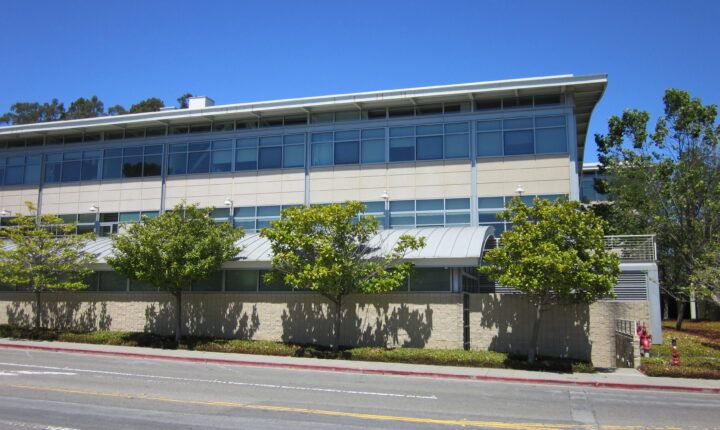
Featured image: Pinterest headquarters at 505 Brannan Street in San Francisco. Archival photograph taken December 31, 2019, by HaeB. Source: Wikimedia Commons. Licensed under CC BY-SA 4.0.
_01.jpg)