The YouTube membership update announced on October 1, 2026 adds an in-app hub for exclusive content, video previews and members-only communities. For news channels, the useful question is which benefits they can offer now and which still depend on rollout.
YouTube described the changes in a statement by Brandon Feldman, its director of news and civics partnerships. The announcement does not provide a complete launch timetable. Publishers should check their own channel before promising access to a new feature.
What the YouTube membership update changes
| Addition | Announced purpose | Practical question for a newsroom |
|---|---|---|
| In-app hub | A dedicated place for exclusive content | Can a supporter find the promised material easily? |
| Video previews | A snippet viewers can watch before joining | Does the preview accurately represent the paid benefit? |
| Members-only communities | Closer interaction with supporters | Who will moderate discussions and answer questions? |
Those questions are editorial recommendations, not additional requirements announced by YouTube. A better interface can help people discover a membership, but the channel still has to deliver a reason to keep paying.
What a news channel should check before launching
YouTube’s fan-funding rules require participation in the YouTube Partner Program, a creator aged at least 18 and availability in the creator’s country or region. Memberships also have their own eligibility and content conditions, including restrictions on channels or videos made for kids and compliance with the relevant commerce terms.
The October announcement does not remove those checks. A publisher should confirm eligibility before advertising a paid launch, then describe benefits that the channel can actually provide. An announcement about a platform-wide direction is not confirmation that every account has received every tool.
For a small newsroom, a realistic offer might be a monthly conversation about reporting methods or an extra explanation of a difficult story. These are examples, not claims that YouTube endorses them. Decide how much staff time the offer requires and make the frequency clear. Avoid promising unrestricted personal access that a one-person operation cannot sustain.
Measure retained members, not just launch-day interest
YouTube’s membership-management guide directs creators to Studio’s Earn → Memberships section. It separates total members from active subscriptions and reports sign-ups, cancellations and revenue. Total members can include people who canceled but retain access until their paid period ends.
That distinction matters when judging success. A preview might attract new sign-ups while a disappointing benefit increases cancellations. Looking only at the total could hide that problem. Track the active figure alongside the work needed to deliver each perk, and compare equivalent billing periods.
YouTube says creators receive 70% of membership revenue after applicable taxes and fees are deducted. As a simplified illustration, $100 remaining after those deductions would mean $70 for the creator before the creator’s own production costs. This is arithmetic, not an earnings estimate or a forecast for any channel.
Keep paid access separate from editorial influence
A membership creates a relationship with supporters, not a right to decide a story’s conclusion. A news channel can make that boundary explicit: members may suggest questions, but sources and evidence determine the answer. Corrections should remain visible to everyone who saw the inaccurate report.
This is especially relevant to a members-only discussion space. Establish moderation rules and a way to report mistakes before asking people to join. A benefit built around access to a journalist needs time and responsibility as well as a payment button.
PPC Land’s October 4 report independently covered the announcement and highlighted the limited release-date detail. Until more specifics are published, the sound approach is to build a sustainable offer using the tools available to the channel, then expand it when access is confirmed.
For related platform changes, read our explanation of YouTube’s original-content update for Shorts.
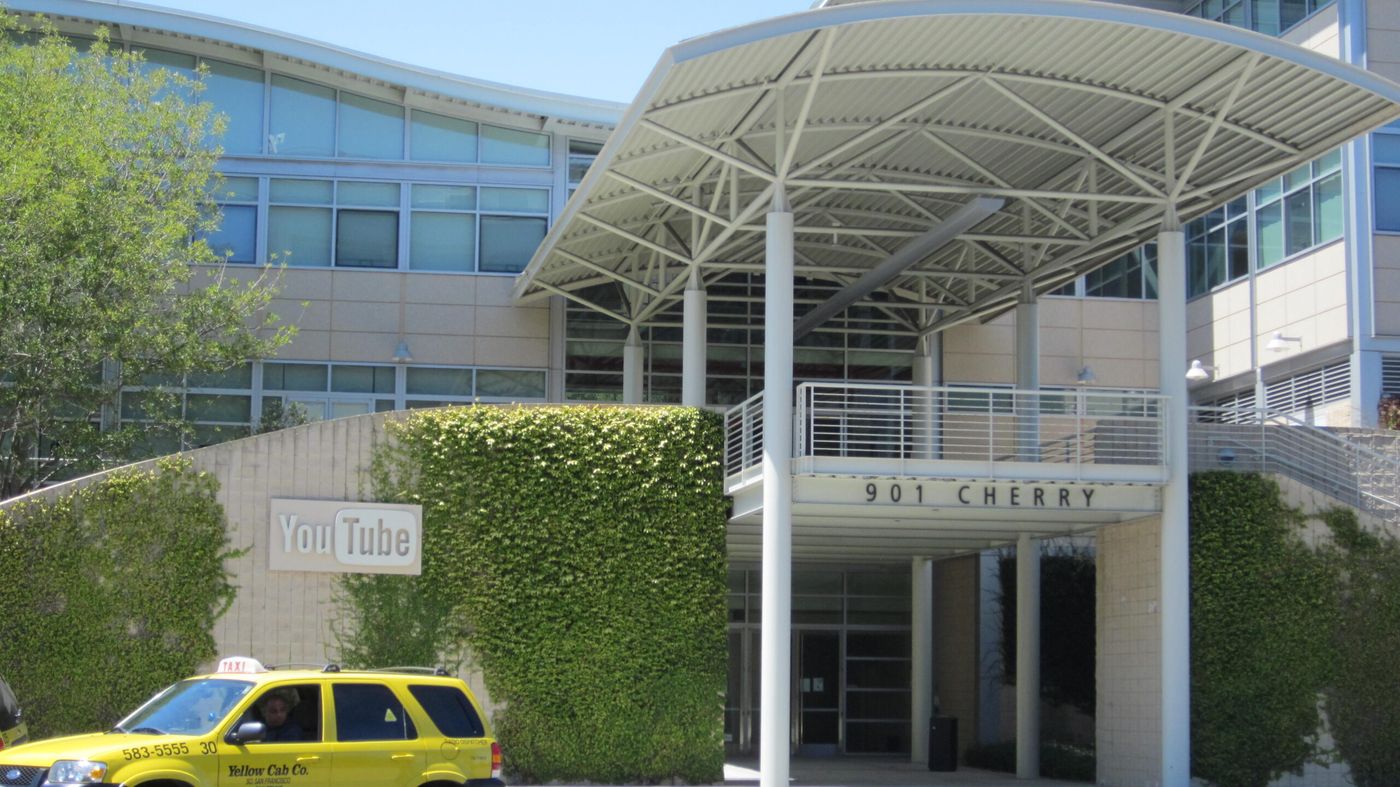
YouTube headquarters in San Bruno, California, August 9, 2010. Archival photograph: © BrokenSphere / Wikimedia Commons, CC BY 3.0. WordPress resized the image for display. This is not a photograph of the new membership interface.