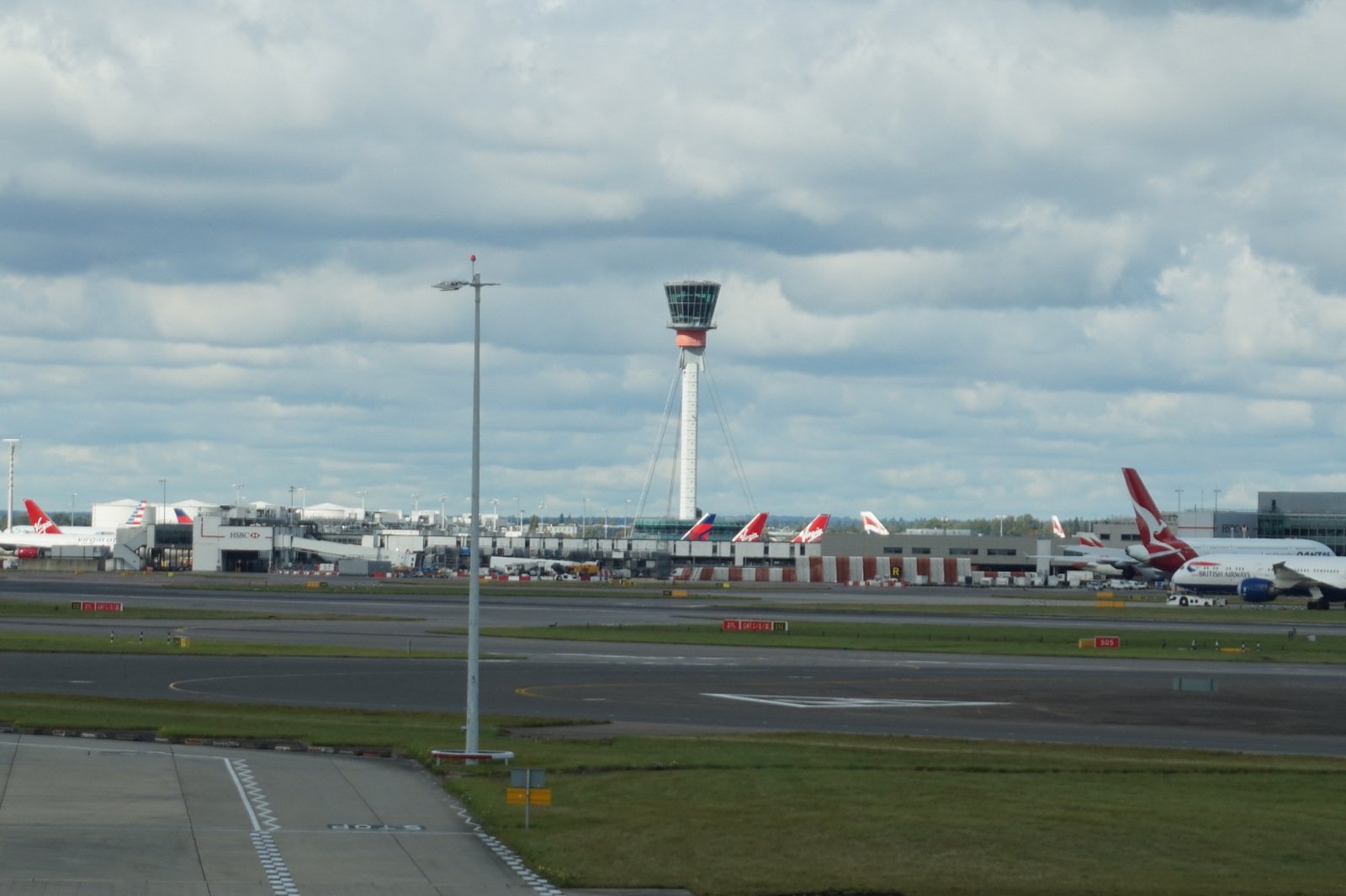
Air traffic control disruption in the UK forced widespread cancellations and delays across Britain on Tuesday, September 8. A technical failure affected the system used to process flight data. Engineers resolved the problem later that day, but airlines warned that delays could continue while they repositioned aircraft and crews.
The Associated Press reported that airlines cancelled more than 1,000 flights across at least 15 UK airports. Reuters reported major disruption at Heathrow, Gatwick, Edinburgh and other airports after the fault reduced the number of departures that controllers could safely handle.
Air traffic control disruption: latest update
Disruption continued into Wednesday, September 9, even after NATS restored the affected system. Reuters reported that flight-tracking data showed about 1,300 cancellations on Tuesday and a further 177 cancellations scheduled for Wednesday, with Heathrow carrying most of the remaining disruption.
The political and regulatory response also intensified. The Guardian reported that the UK transport secretary summoned NATS chief executive Martin Rolfe as airports and airlines continued rebuilding schedules. Rolfe said investigators had ruled out a cyberattack but had not yet completed the technical investigation.
UK air traffic control disruption: what happened
NATS, the company responsible for managing much of Britain’s airspace, said the failure involved its flight-data processing system. Controllers continued working, but NATS introduced traffic restrictions while engineers investigated the problem. Those restrictions delayed airports across the country and affected European flights preparing to enter UK airspace.
NATS said its engineers fixed the system issue and restored normal operations. However, resolving the technical fault did not immediately clear the network. Airlines still had aircraft, passengers and crews in the wrong locations, producing a backlog that continued after the central system recovered.
The company said the incident did not compromise safety. Restrictions are a standard protective response when controllers cannot process traffic at the normal rate, but they can quickly create congestion in a network as busy and tightly scheduled as Britain’s.
Air traffic control disruption hits passengers
The air traffic control disruption affected major hubs including London Heathrow, London Gatwick and Manchester, as well as regional airports. AP reported more than 1,000 cancellations, while airlines also delayed or diverted many other services. Exact totals continued to change as carriers revised their schedules.
British Airways cancelled or diverted more than 100 flights, according to AP. Ryanair said the disruption affected more than 65,000 passengers and forced it to cancel over 50 services. EasyJet and Wizz Air also reported disruption. Airlines advised travellers to check their flight before leaving for the airport because recovery times differed by route and carrier.
Passengers should use official airline channels for rebooking and assistance when carriers cancel their flights. Eligibility for meals, accommodation or compensation depends on the circumstances and the route, so travellers should retain booking records and receipts rather than relying on claims circulated through social media.
Why air traffic control disruption outlasts the repair
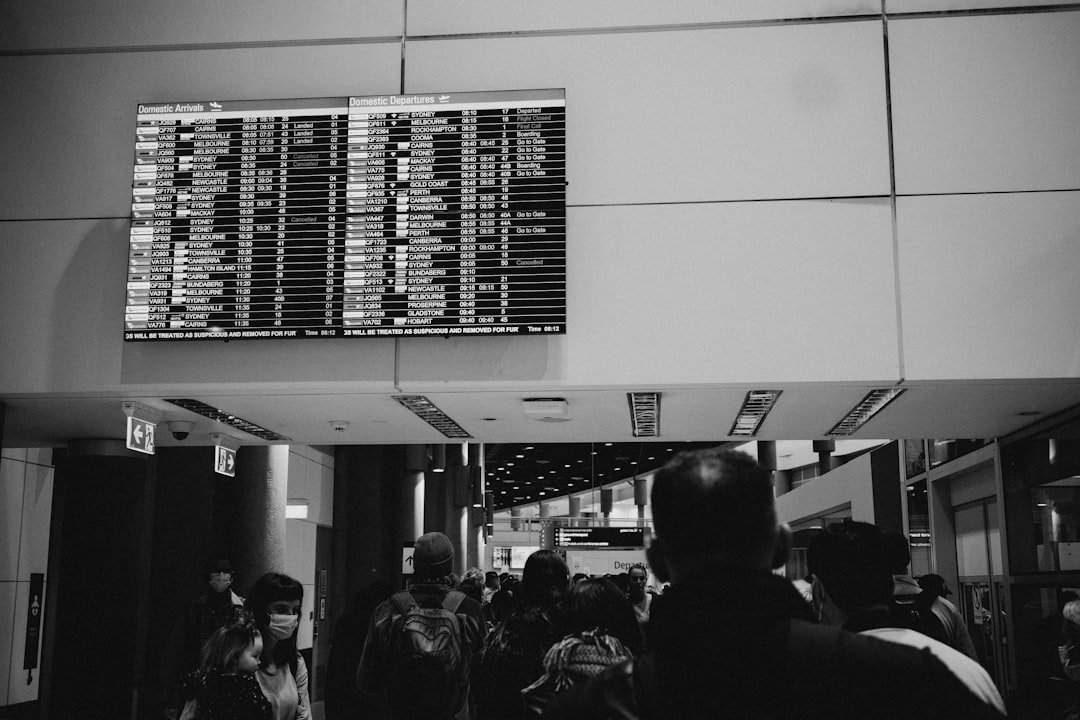
Aviation networks operate through carefully coordinated sequences. An aircraft arriving late may miss its next departure slot. A crew delayed at one airport can reach its legal working-time limit, while airlines may need to transfer passengers and checked baggage to different flights. Airport stands and gates can also become congested when aircraft do not depart as planned.
After an air traffic control disruption, the central system can return to normal while the wider network remains delayed. Airlines must rebuild schedules, reposition aircraft and find replacement crews. International connections add another layer because delays in Britain can affect services across Europe, North America, Asia and the Middle East.
The scale of the event also matters for future bookings. Carriers may cancel some early services the following day to restore aircraft rotations and prevent delays from spreading through another full operating cycle.
Airlines demand answers from NATS
Ryanair and Wizz Air called for changes at NATS after the failure. Reuters reported that Ryanair demanded the resignation of NATS chief executive Martin Rolfe, while Wizz Air urged an overhaul of the organisation. Their criticism focused on the recurrence of significant failures and the financial and operational costs passed to airlines and passengers.
The UK Civil Aviation Authority said it had asked NATS for a full incident report. The regulator will assess the cause, the response and whether NATS must take further action to improve resilience. That review will be important because Britain experienced another major air-traffic-control failure in August 2023, when a flight-plan processing problem caused extensive disruption.
NATS apologised and said it was working with airports and airlines to restore normal service. A technical investigation will need to establish whether software, data handling, infrastructure or another system component caused the latest fault. Until investigators complete that work, readers should treat claims about the precise cause cautiously.
Why the incident matters beyond Britain
The UK is one of Europe’s busiest aviation markets, and London is a major global transfer point. A substantial reduction in British airspace capacity can therefore affect flights that neither begin nor end in the country. Foreign airports may hold aircraft, route them around restricted sectors or delay departures while crews wait for revised slots.
The air traffic control disruption also renews questions about resilience in critical digital infrastructure. Air-traffic-control systems must process large volumes of data while maintaining strict safety standards. Backup arrangements help controllers operate safely. Even so, reduced capacity can cause major economic disruption without placing aircraft at risk.
For airlines, repeated outages create costs from refunds, accommodation, crew changes and repositioning. For passengers, the immediate priority is accurate information. Airport departure boards, airline applications and official NATS updates are more reliable than unverified posts or screenshots.
What travellers should watch next
After the air traffic control disruption, travellers with UK flights should monitor their airline’s live status page and allow additional time for connections. Carriers may still change flights listed as scheduled while they rebuild their networks. Passengers connecting through Heathrow, Gatwick or Manchester should check every segment of the itinerary rather than only the first departure.
The next substantive update should come from the Civil Aviation Authority’s examination of the incident and the report it requested from NATS. That process may clarify why the flight-data system failed, how quickly contingency measures worked and whether the system needs additional safeguards.
Source note: This report independently synthesises reporting published on September 8, 2026, by Reuters and the Associated Press. This report attributes operational claims to NATS, airlines and the UK Civil Aviation Authority through those sources.
Read more international news and analysis from The Daily Vantage.