Archive note — October 7, 2026: The daily admissions, deaths and seasonal forecast below are from reporting published in early September, including September 7. They are not today’s dengue totals. For current official figures, consult the DGHS dengue dashboard. Seek qualified medical care promptly for concerning symptoms; this archive is not a current clinical assessment.
Bangladesh dengue outbreak cases have risen sharply, putting growing pressure on hospitals across the country. Health officials recorded 1,558 hospital admissions in the latest 24-hour reporting period. It was the highest daily total of 2026.
Health ministry data cited by Reuters on September 7 showed 42,590 hospital admissions this year. The official total also included 117 deaths. Four deaths were added in the latest daily count.
Bangladesh dengue outbreak reaches a daily high
The latest figures show a steep rise in only a few days. On September 5, the Directorate General of Health Services reported 41,032 admissions. It also counted 113 deaths for the year.
The state-run Bangladesh Sangbad Sangstha reported 988 new admissions and two deaths in that earlier count. Therefore, the new total points to rapid growth rather than a one-day fluctuation.
Cases have now been reported across all 64 districts, according to Reuters. Dhaka still accounts for the largest share. However, infections are also spreading through other cities and rural areas.
The government has ordered nationwide cleanup and public-awareness work. The campaign focuses on removing standing water where Aedes mosquitoes breed. Experts warn that fogging alone cannot stop transmission. Breeding sites may remain inside homes, construction areas and other water-holding locations.
Why hospitals face growing pressure
The Bangladesh dengue outbreak is testing hospital capacity in Dhaka and beyond. Some patients can worsen after their fever begins to fall. As a result, careful monitoring during this critical phase is important.
Severe dengue can involve bleeding, low blood pressure or shock. Families should seek qualified medical care when warning signs appear. Hospitals must also keep enough beds, staff and supplies available for patients who need observation.
Meanwhile, the health system is responding to a major measles outbreak. That emergency adds pressure on staff and hospital resources. Reuters reported that some families struggled to find government-hospital beds for children with worsening dengue symptoms.
Recent dengue seasons in Bangladesh
The Bangladesh dengue outbreak follows several damaging seasons. BSS, citing DGHS records, reported 102,861 cases and 413 deaths in 2025. In 2024, the country recorded 101,214 cases and 575 deaths.
Bangladesh experienced its deadliest recorded dengue outbreak in 2023. A World Health Organization assessment documented the rapid rise during that year’s monsoon season. The history shows why officials are watching the current trend closely.
September may bring a heavier burden
Medical entomologist Kabirul Bashar shared a concerning forecast with Reuters. His surveillance model suggested September admissions could exceed 30,000 if the current trend continues. The figure is a forecast, not an official government projection.
Still, the estimate highlights the risk from weather that supports mosquito breeding into October. Public-health agencies now face two urgent tasks. They must expand care while also reducing transmission near homes and workplaces.
Because the Bangladesh dengue outbreak is nationwide, prevention cannot focus only on central Dhaka. Local authorities need targeted mosquito control in every affected district. Communities also need clear and practical guidance.
Dengue symptoms and warning signs
The WHO says dengue commonly causes high fever, headache, body aches, nausea and rash. Severe abdominal pain and persistent vomiting can be warning signs. Rapid breathing, bleeding and marked weakness also require prompt medical attention.
People with concerning symptoms should contact qualified clinicians or official health services. This report does not replace medical advice. Early recognition and suitable clinical care can reduce the risk of severe outcomes.
Residents can also reduce nearby breeding sites. Containers that collect water should be emptied, cleaned or covered regularly. These steps support professional mosquito-control programmes, but they do not replace them.
Why the Bangladesh dengue outbreak matters
The record daily admission count is an early warning for hospitals and communities. The next few weeks will show whether cleanup measures can slow infections. Targeted vector control will also be essential before seasonal risk begins to ease.
Readers can follow more national reporting in The Daily Vantage’s World News coverage. Official figures remain available through the DGHS dengue dashboard.
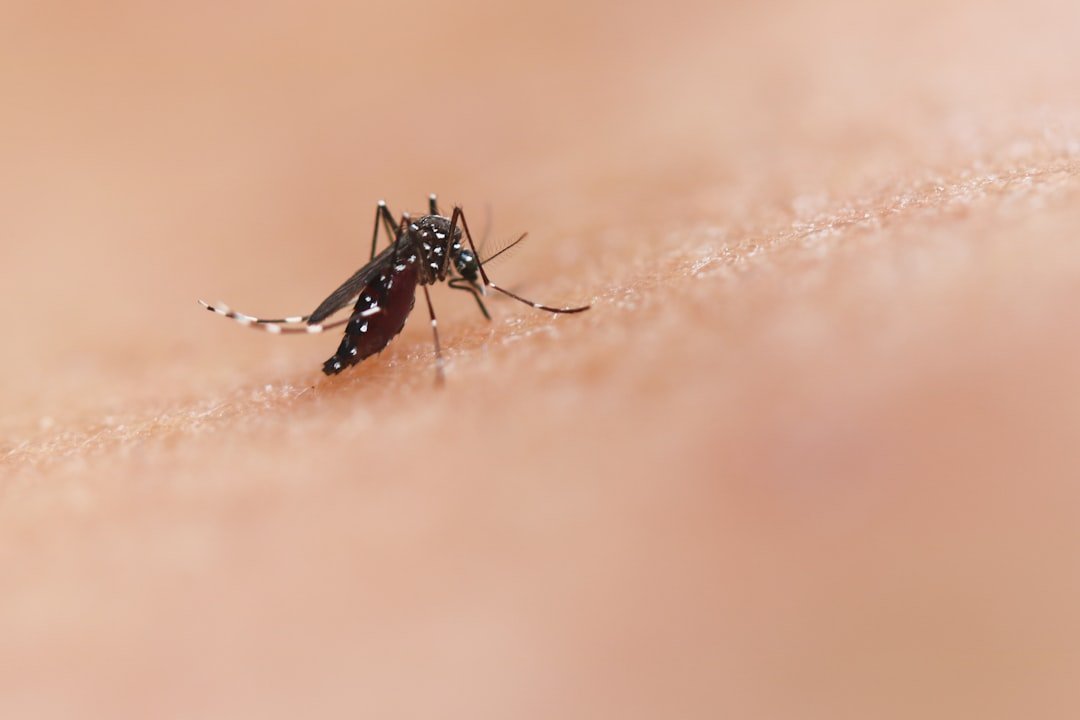
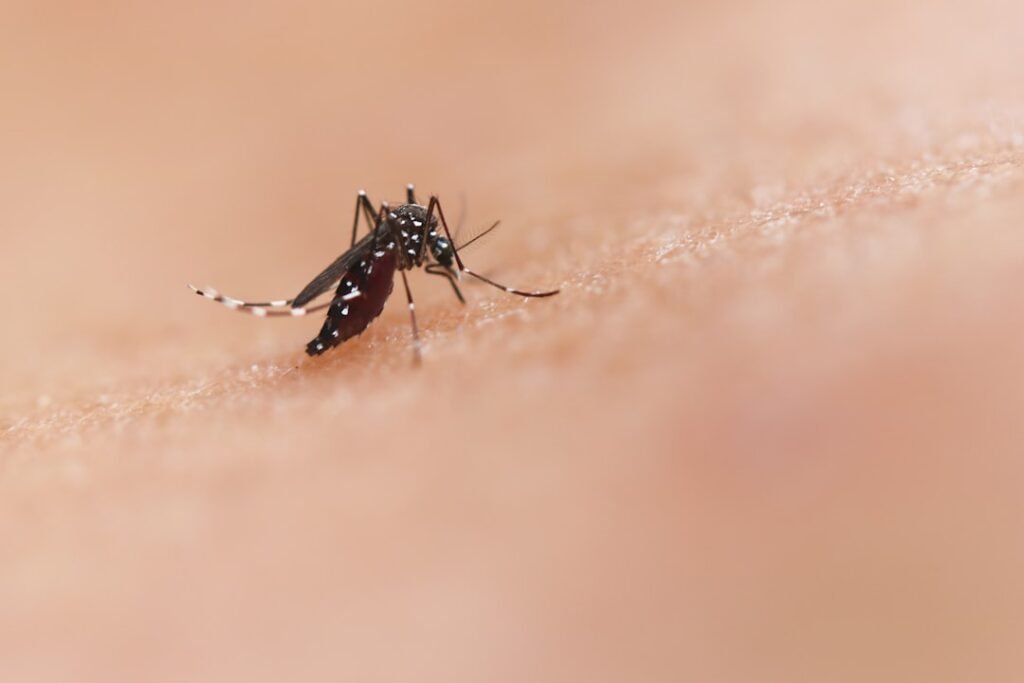
Featured image: An Aedes mosquito biting human skin. File photograph published February 14, 2024, by the US National Institute of Allergy and Infectious Diseases, via Unsplash. Used under the Unsplash License.