A Tesla Cybercab investigation is examining whether the company properly certified its steering-wheel-free robotaxi under United States safety rules. Federal regulators opened the audit after Tesla began limited commercial rides in Austin, Texas.
The National Highway Traffic Safety Administration announced the inquiry on September 4, 2026. The agency will review the process and technical evidence Tesla used to certify the Cybercab. The audit covers as many as 1,000 vehicles, according to Reuters.
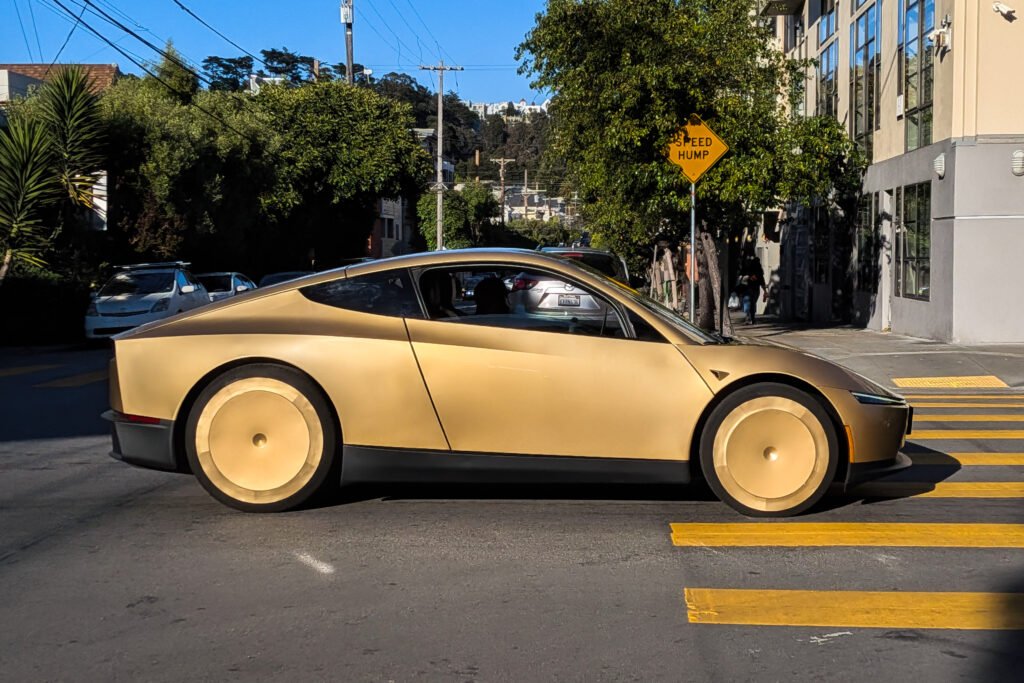
What the Tesla Cybercab investigation covers
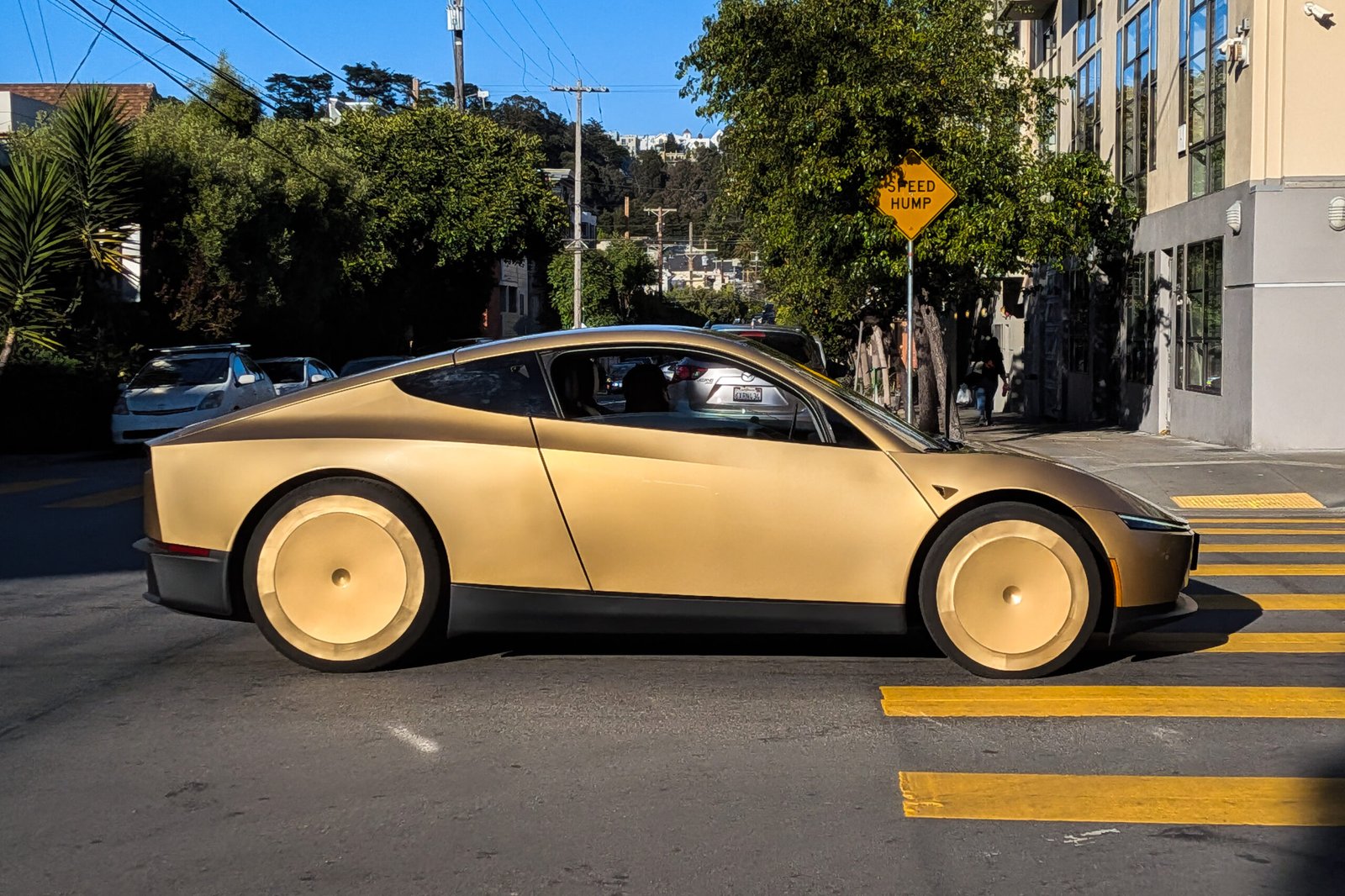
The Cybercab has no steering wheel, accelerator pedal, brake pedal or conventional side mirrors. Those design choices distinguish it from autonomous cars that retain controls for a human driver. Therefore, regulators want to know how Tesla determined which federal standards applied to the vehicle.
The NHTSA announcement describes the action as an audit query. It does not say the agency has found a defect or a violation. Instead, investigators will examine Tesla’s certification process and supporting technical data.
Automakers generally certify that new vehicles comply with Federal Motor Vehicle Safety Standards. NHTSA does not approve every model before sale. However, the agency can investigate when a certification may not meet existing requirements.
Why the missing controls matter
Federal rules were largely written for vehicles operated by people. As a result, many standards assume that a car includes pedals, mirrors and a steering wheel. Purpose-built robotaxis challenge those assumptions because passengers cannot take control during a trip.
NHTSA has proposed changes that could remove some manual-control requirements for automated vehicles. Yet the agency said current standards remain in force while that rulemaking continues, Reuters reported.
Manufacturers can also request exemptions for vehicles without conventional controls. Federal law allows NHTSA to approve limited numbers each year. In July, the agency granted Amazon’s Zoox unit permission for a limited commercial deployment of its purpose-built robotaxi. Reuters reported that Tesla had not sought a similar exemption before the Cybercab launch.
Tesla Cybercab investigation follows Austin launch
Tesla started offering rides in a small number of Cybercabs in Austin on September 3. Elon Musk presented the launch as the beginning of a broader rollout. The company plans to add Cybercabs to a robotaxi service that already uses conventional Tesla vehicles.
Texas records listed 420 autonomous vehicles registered to Tesla by Friday morning, Reuters reported. Of those, 45 were Cybercabs. The federal audit can examine up to 1,000 Cybercabs, although that figure does not mean Tesla has deployed that many.
The Associated Press reported that Tesla launched the service one day before regulators announced the inquiry. AP also reported that Tesla relied on self-certification. The company did not respond to requests for comment cited by AP and Reuters.
What the inquiry does—and does not—mean
The investigation is important because it tests how existing law applies to a vehicle designed without a human driver. Still, an investigation is not a recall, a ban or proof that the Cybercab is unsafe. NHTSA must first evaluate Tesla’s records and legal reasoning.
The inquiry also differs from investigations into crashes or specific software behavior. Here, the central question is whether Tesla correctly certified the vehicle’s design under federal standards. Regulators may close the matter without further action, seek additional information or identify compliance steps.
Meanwhile, paid rides can continue unless an authority imposes a restriction. Neither NHTSA’s announcement nor the reports reviewed for this article said the agency had ordered Tesla to stop the Austin service.
What happens next
NHTSA has not announced a deadline for completing the Tesla Cybercab investigation. The timing may depend on the volume of technical information and the number of standards under review.
Tesla’s response will be closely watched by the autonomous-vehicle industry. Other developers also want rules that recognize vehicles without human controls. Consequently, the outcome could influence how companies design and certify future robotaxis.
For additional technology reporting, see The Daily Vantage’s coverage of South Korea’s record exports driven by AI-chip demand.
Sources and verification
- NHTSA: Cybercab self-certification investigation, September 4, 2026
- Reuters: federal audit and deployment details
- Associated Press: Austin launch and certification context
- Wikimedia Commons: image source and CC BY 4.0 licence
This article will be updated if NHTSA or Tesla announces a material development.